
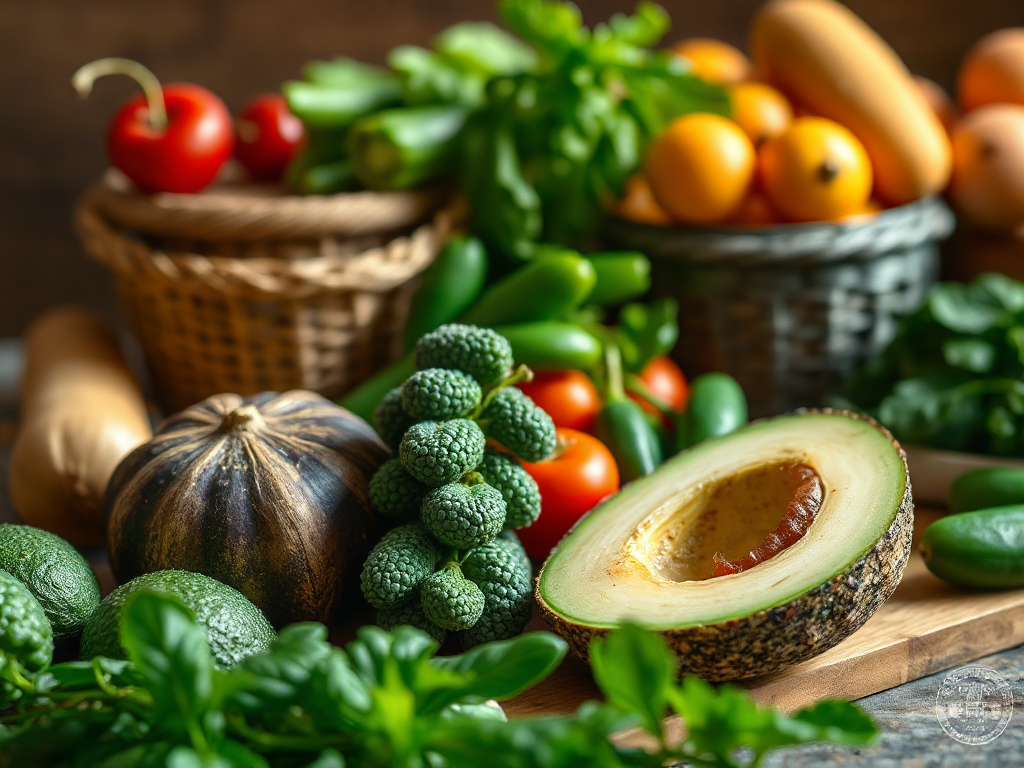
To identify if a superfood is really organic, check for certification labels from recognized bodies, examine the ingredient list for additives, and research the brand's sourcing practices. Organic certification ensures that the product meets strict agricultural standards. Additionally, transparency in sourcing and minimal processing are crucial indicators of genuine organic status. Be wary of misleading labels that may not align with true organic practices.
Understanding Organic Certification
Organic certification is a critical factor when determining the authenticity of a superfood. Only products that comply with specific agricultural standards set by recognized organizations, such as the USDA, can be labeled as organic. These standards regulate how food is grown, handled, and processed. For instance, organic farming practices prohibit the use of synthetic fertilizers and pesticides, ensuring a more natural product. When assessing superfoods, look for certification seals on the packaging, as they signify compliance with these rigorous standards.
Moreover, understanding the different levels of organic certification can provide insight into the product’s quality. For example, “100% Organic” means all ingredients are organic, while “Organic” signifies that at least 95% of the ingredients meet organic standards. Familiarizing yourself with these distinctions can enhance your ability to make informed choices.
Evaluating Ingredient Lists
The ingredient list is another vital area to scrutinize when identifying organic superfoods. A genuine organic product should have a short and clear list of ingredients, ideally consisting solely of whole, unprocessed items. If the list includes artificial additives, preservatives, or unfamiliar chemicals, it’s a red flag that the product may not be entirely organic.
Additionally, consider the sourcing of the ingredients. For example, superfoods like quinoa or chia seeds should be sourced from certified organic farms. This not only supports sustainable agriculture but also ensures that the superfood retains its nutritional integrity. Researching the origin of these ingredients helps verify their organic status.
Researching Brand Sourcing Practices
Beyond certification and ingredient evaluation, understanding a brand’s sourcing practices plays a crucial role in determining if a superfood is truly organic. Brands committed to organic principles often provide transparency about their sourcing, including details on where and how their ingredients are grown. This information is frequently available on the brand’s website or product packaging.
Additionally, look for brands that engage in sustainable farming practices, such as crop rotation and biodiversity promotion. These practices not only contribute to organic integrity but also support the environment. As a consumer, choosing brands that prioritize sustainability can enhance your confidence in the organic claims they make.
Common Misleading Labels
Misleading labels can confuse consumers and undermine the integrity of organic products. Terms like “natural,” “farm-fresh,” or “eco-friendly” are often used without strict regulatory definitions, which can mislead unsuspecting shoppers. For instance, a product labeled as “natural” may still contain synthetic ingredients, while “farm-fresh” does not guarantee organic farming practices.
To avoid falling victim to these marketing ploys, familiarize yourself with organic labeling regulations and seek products that display official organic certification. Being informed about these common pitfalls will empower you to make better choices when selecting superfoods.
Frequently Asked Questions
What does organic certification mean?
Organic certification indicates that a product meets specific agricultural standards, ensuring it is grown without synthetic pesticides or fertilizers.
How can I verify if a product is truly organic?
Check for recognized organic certification labels and review the ingredient list for transparency and authenticity.
Are all superfoods organic?
No, not all superfoods are organic. It’s essential to research and verify the organic status of specific superfood products.
What should I look for on the ingredient list?
A short list of whole ingredients without artificial additives or preservatives is a good sign of an organic superfood.
How can misleading labels affect my choices?
Misleading labels can obscure the truth about a product’s organic status, leading consumers to make uninformed purchasing decisions.
Conclusion
Identifying if a superfood is genuinely organic involves careful scrutiny of certification labels, ingredient lists, and brand practices. Understanding organic certification, evaluating ingredient transparency, and recognizing misleading labels are essential steps. By prioritizing brands that adhere to strict organic standards and support sustainable practices, you can enhance your health and contribute to a more environmentally friendly food system. Make informed choices to ensure that the superfoods you consume truly deliver the organic benefits they claim.
Related Content
- What To Do If Your Superfood Choices Are Ineffective: Causes, Checks, And Better Food Pairings
- What Are Whole Food Superfood Supplements? (And Why They’re Better Than Synthetic Vitamins)
- How to Prevent Overconsumption of Superfoods: Practical Steps and Common Mistakes
- How to Assess the Impact of Superfoods on Athletic Performance: Key Foods and Their Effects
- What Are The Best Organic Superfoods For Boosting Energy?