
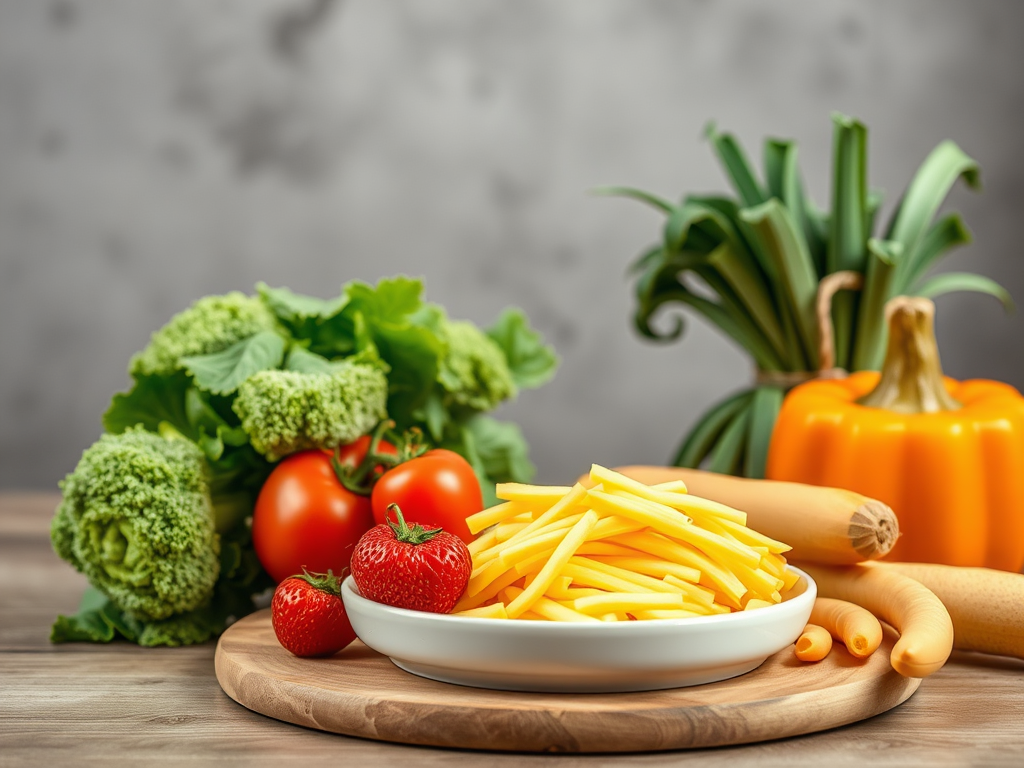
Incorporating superfoods into a low-carb diet can enhance your nutritional intake while keeping carbohydrate levels in check. Focus on foods like avocados, which provide healthy fats and fiber, and leafy greens that are rich in vitamins without adding significant carbs. Additionally, consider using chia seeds for their high fiber content and omega-3 fatty acids, which can help maintain satiety. Avoid high-carb superfoods, and instead, plan meals around these nutrient-dense options to support your health goals effectively.
Understanding Low-Carb Diets and Superfoods
A low-carb diet focuses on reducing carbohydrate intake to promote weight loss and improve metabolic health. Superfoods, which are nutrient-rich foods, can significantly enhance the quality of a low-carb diet. They provide essential vitamins, minerals, and antioxidants that may be lacking in a typical low-carb meal plan. Understanding how to combine these two dietary approaches can lead to improved health outcomes.
Low-carb diets often emphasize protein and healthy fats, which can lead to a deficiency in vital nutrients if not balanced properly. Superfoods help bridge this gap by offering concentrated sources of nutrition without adding excessive carbohydrates. For instance, leafy greens are low in carbs but high in vitamins A, C, and K, making them an excellent choice for low-carb meals.
Top Superfoods for Low-Carb Diets
When selecting superfoods for a low-carb diet, it’s crucial to focus on those that are low in carbohydrates yet high in nutrients. Here are some top choices:
- Avocados: Rich in healthy fats, fiber, and potassium, avocados are an excellent addition to salads, smoothies, or as a spread.
- Leafy Greens: Spinach, kale, and Swiss chard are low in carbs and packed with vitamins and minerals. They can be used in salads, soups, or smoothies.
- Chia Seeds: These tiny seeds are high in fiber and omega-3 fatty acids, making them perfect for puddings or as a topping for yogurt.
- Broccoli: This cruciferous vegetable is low in carbs and high in vitamins C and K. It can be steamed, roasted, or added to stir-fries.
- Berries: While fruits are generally higher in carbs, berries like strawberries and raspberries are lower and provide antioxidants, making them a great occasional treat.
Incorporating these superfoods can not only enhance the nutrient density of meals but also help manage hunger and cravings, making adherence to a low-carb diet easier.
Creative Meal Ideas with Superfoods
Integrating superfoods into a low-carb diet doesn’t have to be boring. Here are some creative meal ideas that highlight these nutrient-rich ingredients:
Breakfast
Start your day with a smoothie made from spinach, avocado, and unsweetened almond milk, blended with a scoop of protein powder. Add chia seeds for extra fiber and omega-3s.
Lunch
Prepare a salad featuring mixed leafy greens, sliced avocado, grilled chicken, and a sprinkle of nuts or seeds for crunch. Dress with olive oil and lemon juice for added flavor.
Dinner
For dinner, try a stir-fry with broccoli, bell peppers, and shrimp, seasoned with garlic and ginger. Serve over cauliflower rice for a low-carb alternative to traditional rice.
Snacks
Snack on a handful of nuts or create chia seed pudding by mixing chia seeds with coconut milk and letting it sit overnight. Top with a few berries for a refreshing treat.
Common Mistakes to Avoid
While incorporating superfoods into a low-carb diet, several common mistakes can undermine your efforts:

- Neglecting Portion Control: Even low-carb superfoods can contribute to calorie overload if consumed in excess. Be mindful of portion sizes, especially with calorie-dense foods like nuts and avocados.
- Ignoring Nutritional Balance: Relying solely on superfoods may lead to nutrient imbalances. Ensure a variety of foods are included to meet all nutritional needs.
- Underestimating Hidden Carbs: Some superfoods, like certain fruits, contain more carbohydrates than expected. Always check nutritional labels and track your intake.
- Not Planning Meals: Failing to plan can lead to poor food choices. Prepare meals in advance to ensure you have healthy options ready.
By avoiding these pitfalls, you can successfully integrate superfoods into your low-carb diet and enjoy the numerous health benefits they offer.
Frequently Asked Questions
What are the best superfoods for a low-carb diet?
Some of the best superfoods for a low-carb diet include avocados, leafy greens, chia seeds, broccoli, and berries, as they are low in carbs and high in nutrients.
Can I eat fruits on a low-carb diet?
Yes, but it’s best to choose low-carb fruits like berries in moderation, as they provide antioxidants without significantly increasing carbohydrate intake.
How can I incorporate superfoods into my meals?
You can incorporate superfoods by adding them to smoothies, salads, stir-fries, or as snacks, ensuring you maintain a balanced diet.
What is the importance of meal planning on a low-carb diet?
Meal planning helps you avoid unhealthy choices, ensures you have nutritious options available, and keeps you on track with your dietary goals.
Are there any risks associated with superfoods?
While superfoods are generally healthy, consuming them in excess can lead to imbalances in your diet. It’s important to maintain variety and moderation.
Conclusion
Incorporating superfoods into a low-carb diet can greatly enhance nutrient intake while keeping carbohydrates in check. By focusing on foods like avocados, leafy greens, and chia seeds, you can create delicious meals that support your health goals. It’s essential to plan meals thoughtfully, avoid common pitfalls like portion control, and ensure a balanced approach to nutrition. Start experimenting with these superfoods today to elevate your low-carb eating experience.
Related Content
- Whole Food Diet Before and After Changes: A Practical Timeline for Meals, Digestion, and Energy
- What Advanced Recipes Can I Try With Superfoods?
- Calorie-Dense Foods That Support Weight Gain — Whole-Food Additions, Portions, and Meal Timing
- What To Do If Whole Foods Are Not Filling: Meal Balance, Portions, and Timing
- Contact Us