
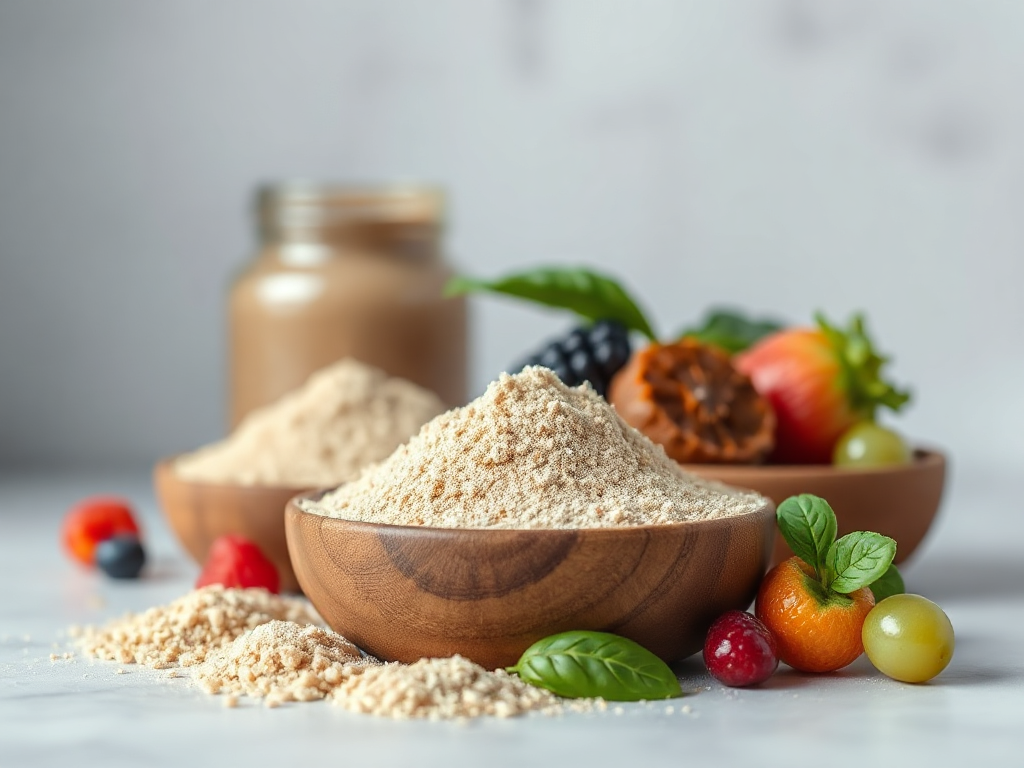
Relying solely on superfood powders can lead to significant nutritional gaps and health risks, as they often lack essential nutrients found in whole foods, such as fiber, protein, and vital vitamins. This over-reliance can also create an imbalance in nutrient intake, potentially leading to digestive issues and decreased overall health. It's crucial to incorporate a diverse range of whole foods into your diet to ensure balanced nutrition and to avoid the pitfalls associated with a powder-centric approach.
Nutritional Gaps in Superfood Powders
Superfood powders are often marketed as nutritional powerhouses, but they can create significant nutritional gaps if relied upon exclusively. While these powders may deliver concentrated doses of specific vitamins, minerals, and antioxidants, they typically lack the full spectrum of nutrients found in whole foods. For instance, many superfood powders lack adequate fiber, which is crucial for digestive health and maintaining stable blood sugar levels.
Moreover, nutrients in whole foods often work synergistically, enhancing absorption and effectiveness. By consuming only powders, individuals may miss out on the complex interactions between nutrients that whole foods provide. For example, vitamin C from fruits can enhance iron absorption from leafy greens, an interaction that is not replicated in isolated powder forms.
Health Risks Associated with Over-Reliance
Over-relying on superfood powders can lead to health risks that may not be immediately apparent. One common issue is digestive discomfort, which can arise from consuming high amounts of concentrated nutrients without the balancing effects of whole foods. This can manifest as bloating, gas, or diarrhea, particularly with fiber-rich powders.
Furthermore, a lack of dietary diversity can impair overall health. Nutritional deficiencies can arise if essential nutrients are neglected in favor of powders. For example, while a superfood powder might be high in antioxidants, it may not provide adequate protein, healthy fats, or essential vitamins like B12, which are vital for energy production and neurological function.
The Importance of Whole Foods
Whole foods are crucial for a balanced diet, providing not just vitamins and minerals but also essential fibers, healthy fats, and phytonutrients. Unlike superfood powders, whole foods contain a variety of nutrients that work together to support bodily functions. For instance, whole grains offer fiber and B vitamins, while fruits and vegetables provide a wide range of antioxidants and phytochemicals.
Incorporating whole foods into your diet can also help mitigate some of the risks associated with superfood powder over-reliance. Whole foods can improve gut health, support a healthy weight, and reduce the risk of chronic diseases such as heart disease and diabetes. Additionally, they promote a sense of fullness and satisfaction, which can help prevent overeating.
Practical Tips for Balanced Nutrition
To maintain a balanced diet while enjoying the benefits of superfood powders, consider the following practical tips:
- Diverse Diet: Ensure your diet includes a variety of whole foods from all food groups, including fruits, vegetables, whole grains, proteins, and healthy fats.
- Use Powders as Supplements: Treat superfood powders as supplements rather than replacements. Use them to enhance meals rather than as the primary source of nutrition.
- Read Labels: Choose high-quality superfood powders that are minimally processed and free from additives or fillers.
- Monitor Your Body: Pay attention to how your body responds to dietary changes. If you experience digestive issues or fatigue, reassess your diet.
- Consult a Professional: If you’re unsure about your nutritional needs, consider consulting a registered dietitian or nutritionist for personalized advice.
Frequently Asked Questions
Can I replace all my meals with superfood powders?
No, replacing all meals with superfood powders can lead to nutritional deficiencies and digestive issues. Whole foods provide essential nutrients and fiber that powders lack.
What are the risks of consuming too many superfood powders?
Excessive consumption can lead to digestive discomfort, nutrient imbalances, and potential toxicity from over-supplementation of certain vitamins and minerals.
How can I incorporate superfood powders into my diet effectively?
Use superfood powders to complement whole foods. Add them to smoothies, oatmeal, or yogurt, but ensure they are not your primary source of nutrition.
Are all superfood powders created equal?
No, quality varies significantly. Look for powders that are organic, free from additives, and produced by reputable brands to ensure maximum nutritional benefit.
What should I prioritize in my diet instead of superfood powders?
Prioritize a diverse range of whole foods, including fruits, vegetables, whole grains, lean proteins, and healthy fats to ensure balanced nutrition.
Conclusion
Relying solely on superfood powders can lead to significant nutritional gaps and health risks, making it essential to prioritize a diverse diet rich in whole foods. Whole foods provide vital nutrients and promote overall health through their complex interactions. By incorporating superfood powders as supplements rather than replacements, individuals can enjoy their benefits while maintaining balanced nutrition. Always listen to your body and consult with a nutrition professional if you have concerns about your dietary choices.
Related Content
- How To Evaluate The Long-Term Effects Of Superfood Diets Through Nutrient Balance And Health Tracking
- How to Adjust Superfood Intake Based on Activity Level: Optimal Foods and Timing for Performance
- What to Do If a Superfood Isn’t Improving Digestion: Common Mistakes and Effective Alternatives
- Healthy Liver Diet Foods and Meal Structure for Fiber, Protein, and Lower Added Sugar
- How To Find Superfoods That Align With Fitness Goals: A Food-and-Timing Checklist