
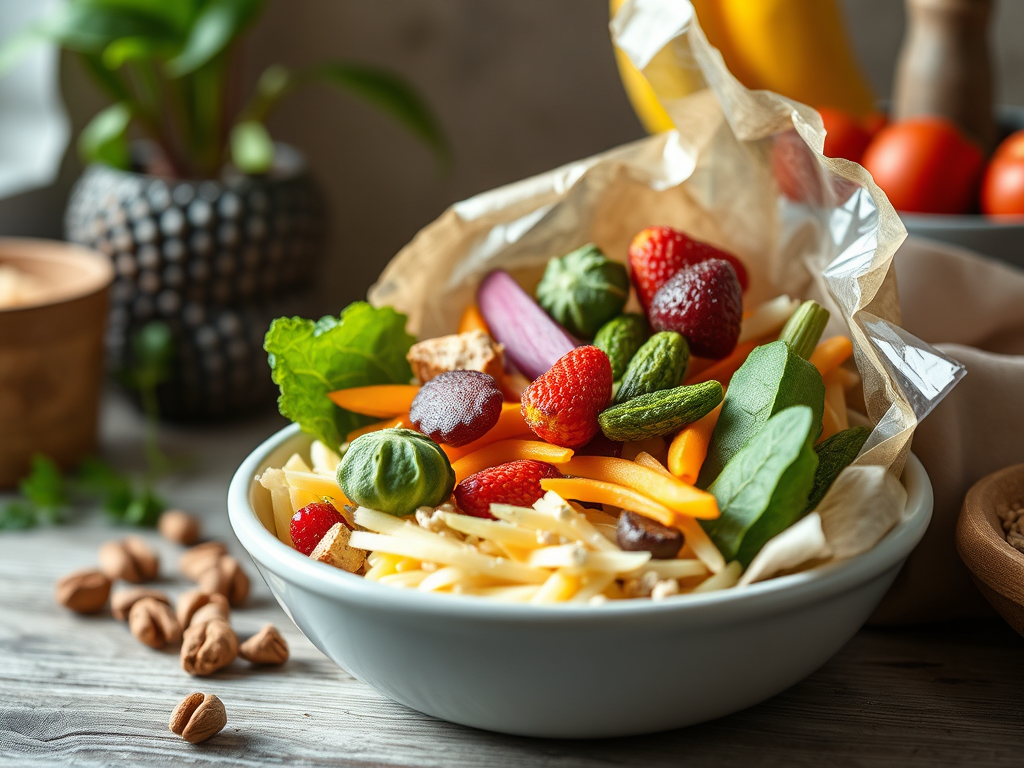
If superfood smoothies are ineffective, start by reassessing your ingredient choices, ensuring they align with your nutritional needs and preferences. Common reasons for ineffectiveness include ingredient overload, poor nutrient absorption, and personal dietary mismatches. Consider adjusting portion sizes, incorporating a variety of ingredients for better balance, or even replacing certain components with alternatives like whole foods or supplements that may suit your body better. Monitoring your body's response to these changes can guide further adjustments for optimal results.
Identifying Common Issues with Superfood Smoothies
Many individuals turn to superfood smoothies for their perceived health benefits, but several factors can lead to them being less effective than expected. One common issue is ingredient overload, where too many superfoods are combined, leading to digestive discomfort and nutrient competition. Additionally, if the smoothies are not tailored to individual dietary needs, they may not provide the expected benefits. For instance, someone with lactose intolerance may struggle with smoothies that include dairy-based ingredients, leading to discomfort rather than health improvements.
Understanding the specific reasons behind the ineffectiveness of superfood smoothies is crucial. Common mistakes include not considering the body’s unique requirements or failing to recognize that some ingredients may not work well together. For example, combining high-sugar fruits with low-fiber ingredients can lead to a spike in blood sugar levels, negating the intended health benefits. Therefore, it’s important to evaluate both the ingredients and your personal health goals to identify the root cause of the issue.
Adjusting Ingredients for Better Nutritional Impact
Once you identify potential issues, the next step is to adjust the ingredients in your smoothies. Start by simplifying your recipes; instead of using multiple superfoods, focus on a few key ingredients that align with your nutritional objectives. For example, if you’re seeking energy, consider incorporating spinach for iron and bananas for potassium, as opposed to loading the smoothie with various fruits and powders. This not only enhances flavor but also improves nutrient absorption and digestion.
Portion control is also essential. Large servings can overwhelm the digestive system and lead to discomfort. A smaller, more manageable portion may allow for better nutrient uptake. Additionally, consider incorporating healthy fats like avocado or nut butter, which can aid in the absorption of fat-soluble vitamins. Experimenting with different combinations and keeping track of how your body responds can lead to more effective smoothies.
Exploring Alternative Nutritional Options
If adjustments to your smoothies do not yield the desired results, it may be time to explore alternative nutritional options. Whole foods, such as fruits, vegetables, nuts, and seeds, can provide similar benefits without the complications that sometimes accompany smoothies. For example, a salad packed with leafy greens, nuts, and a variety of colorful vegetables can deliver a rich nutrient profile while being easier to digest.
Additionally, consider supplements if certain nutrients are consistently lacking in your diet. Protein powders, greens powders, or specific vitamins can fill gaps without the need for complex smoothie recipes. However, be cautious and consult a healthcare professional before adding supplements to ensure they are appropriate for your specific health needs.
Monitoring and Adjusting Your Smoothie Routine
Effective monitoring of your smoothie routine is crucial for long-term success. Keep a food diary to track not only what you consume but also how you feel afterward. This can help identify patterns related to specific ingredients or combinations that may be causing discomfort or failing to deliver results. Pay attention to energy levels, digestive health, and any other relevant metrics to guide your adjustments.
Ultimately, be patient and willing to adapt your approach. Finding the right balance may take time and experimentation. Trying out new recipes, adjusting ingredient quantities, or even changing the time of day you consume smoothies can lead to better results. Remember that everyone’s body reacts differently, and what works for one person may not work for another. Flexibility and a willingness to experiment will ultimately lead to a more satisfying smoothie experience.
Related Content
- What Are The Benefits Of Whole Food Nutrition For Health?
- Steps to Take If Superfoods Trigger Headaches: Identifying Causes and Effective Remedies
- Issues With Integrating Whole Foods Into a Busy Lifestyle: Practical Solutions and Common Mistakes
- What To Do If Your Superfood Choices Lead To Bloating: Causes, Food Swaps, And A Reset Plan
- Unexpected Side Effects of Switching to Whole Foods: Common Symptoms, Challenges, and Solutions