
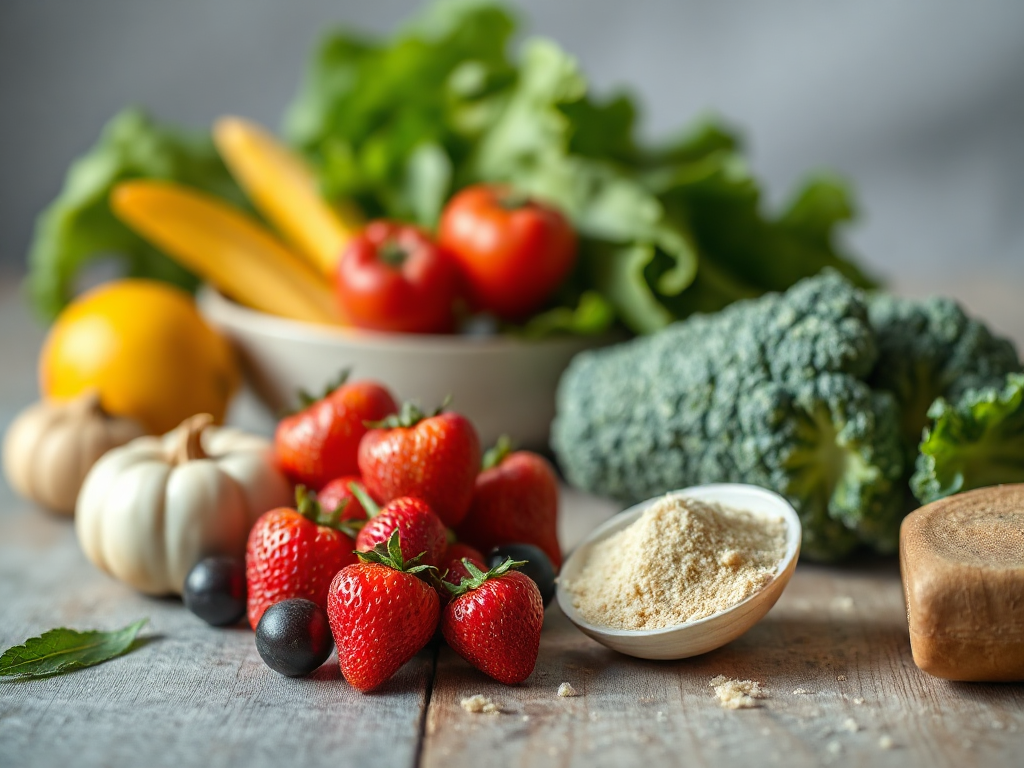
If superfood intake feels unmanageable, stop trying to include every highly promoted ingredient and return to a small, repeatable food plan built around ordinary nutrient-dense meals. Choose two or three accessible staples, such as beans, oats, leafy greens, berries, eggs, or nuts, then use portions and frequency you can sustain rather than chasing an ideal list. A crowded routine often becomes difficult because of cost, preparation time, strong flavors, supplement overlap, or unrealistic expectations about health benefits. Introduce only one change at a time, watch for digestive symptoms or interactions, and ask a registered dietitian or clinician for guidance if supplements, pregnancy, allergies, or a medical condition are involved.
Why Superfood Plans Become Unmanageable
A superfood routine becomes unmanageable when the number of ingredients, preparation tasks, costs, or health rules exceeds what daily life can support. The problem is rarely a lack of discipline. A plan that expects several powders, specialty produce items, elaborate smoothies, soaked seeds, and carefully timed servings creates more decisions than a normal schedule can absorb.
Marketing can make the burden worse by presenting each food as if it fills a separate nutritional gap. A person may add chia seeds for fiber, berries for antioxidants, greens powder for convenience, turmeric for inflammation claims, and several supplements for insurance. The result may be expensive, repetitive, or nutritionally unbalanced. More concentrated products can also add caffeine, fiber, minerals, herbs, or calories that were not obvious when the plan was assembled.
Separate usefulness from prestige. Frozen spinach may serve a meal better than a costly greens powder because it can be added to eggs, soup, or pasta and contributes food volume as well as nutrients. Oats, lentils, cabbage, carrots, plain yogurt, and canned fish may look less fashionable, but they can cover important nutritional roles at a lower cost and with fewer preparation steps.
A practical audit starts by writing down everything used during a typical week. Mark each item as a regular food, a supplement, a flavoring ingredient, or a product added because of a health promise. Then note its price, preparation time, serving frequency, and whether you actually enjoy eating it. Keep foods that are affordable, tolerated, and easy to use; question items that depend on ideal conditions.
The common mistake is treating a long list as evidence of a better diet. Variety matters, but variety does not require a new specialty ingredient every day. The useful goal is a dependable pattern that supplies protein, fiber, fruits or vegetables, and adequate energy while leaving room for ordinary preferences.
Reduce the Routine Without Losing Nutritional Value
Reducing a superfood routine works best when each removed item is replaced by a broader food category rather than by another fashionable product. A simple plate might contain a protein source, a high-fiber carbohydrate, one or two vegetables or fruits, and a source of unsaturated fat. That structure is more durable than trying to reproduce a list of isolated nutrient claims.
For example, replace a complicated morning mixture with oats topped with fruit, yogurt, and a small amount of nuts or seeds. This combination can provide carbohydrate, protein, fiber, and fat without requiring several powders. At lunch, beans or lentils can take the place of multiple plant-based add-ons in a grain bowl or soup. At dinner, frozen vegetables are a reasonable alternative when washing and chopping fresh produce is the barrier.
The tradeoff is that no single replacement will duplicate every compound found in the foods removed. That is acceptable because nutrition is assessed across the overall pattern, not by preserving every ingredient. A person who removes an expensive berry powder but eats fruit regularly has not necessarily created a meaningful nutritional problem.
Use a short priority list:
- Keep one or two reliable protein sources for meals.
- Choose produce that is easy to store and prepare, including frozen or canned options when appropriate.
- Include a fiber-rich staple such as oats, beans, lentils, whole-grain bread, or brown rice.
- Review supplements separately instead of treating them as interchangeable with food.
Portions and tolerance still matter. A sudden increase in beans, bran, chia, or other concentrated fiber can cause gas, cramping, or loose stools, particularly when fluid intake is low. Reduce the amount, spread it across meals, and increase gradually if symptoms settle. The weak assumption is that a highly nutritious food is automatically useful at a large dose. Practical nutrition depends on what the body tolerates and what the person can repeat.
For more context on choosing a manageable pattern, see what to do if superfood intake feels unmanageable as part of a broader whole-food routine.
Build a Practical Weekly Food Pattern
A weekly pattern is easier to maintain when it uses repeatable combinations rather than daily invention. Pick a small set of breakfasts, lunches, dinners, and snacks that share ingredients. For instance, oats can appear at breakfast, lentils can become soup or a salad topping, and frozen vegetables can accompany rice, eggs, tofu, or fish. Reusing ingredients lowers waste and reduces the mental load attached to shopping.
Consider a person who works late and has little interest in making smoothies. A realistic plan might include yogurt and fruit in the morning, a bean-and-grain bowl assembled from prepared ingredients at lunch, and a sheet-pan dinner using frozen vegetables and a chosen protein. This pattern may contain fewer branded “superfoods” than the original routine, but it is more likely to deliver consistent meals. Consistency is a practical advantage because skipped meals often lead to improvised choices that are less satisfying.
Convenience does not automatically mean poor quality. Plain frozen berries, no-salt-added canned beans, prewashed greens, canned fish, microwavable whole grains, and unsweetened yogurt can reduce preparation without turning the diet into a supplement program. Check labels for added sugars, sodium, allergens, and serving sizes, especially when several packaged products are used together.
A useful planning method is to assign each meal one anchor:
- Select the protein or main food, such as eggs, tofu, beans, fish, poultry, or yogurt.
- Add a filling carbohydrate or fiber source, such as potatoes, oats, fruit, or whole grains.
- Add a vegetable or additional fruit that fits the available time.
- Use nuts, seeds, olive oil, avocado, or another preferred fat when it improves satisfaction.
This is not a rigid prescription. Someone with a limited budget may prioritize beans, oats, cabbage, carrots, eggs, and seasonal fruit. Someone with limited cooking facilities may rely more on prepared staples. Someone who dislikes powders can omit them entirely. The failure mode is copying another person’s routine without accounting for equipment, storage, schedule, culture, appetite, or food access.
Signs the simplified plan is working include fewer skipped meals, less shopping stress, stable enjoyment, and adequate fullness between meals. Signs it needs revision include persistent hunger, worsening digestive symptoms, escalating reliance on supplements, or repeated purchases that go unused.
Check Symptoms, Supplements, and Safety Concerns
Physical symptoms deserve more attention than the label attached to a product. Bloating, diarrhea, constipation, headaches, itching, reflux, or unusual fatigue may follow a large increase in fiber, caffeine, sugar alcohols, herbs, or a food allergen. Symptoms may also have causes unrelated to the new routine, so a food plan should not be used to diagnose a condition.
When a problem appears, pause recent additions rather than removing every nutritious food at once. Record the product or food, approximate amount, time consumed, other ingredients, and symptoms. Once symptoms have settled, a clinician or dietitian may help determine whether a cautious reintroduction is appropriate. Severe allergic symptoms, trouble breathing, facial swelling, fainting, persistent vomiting, blood in stool, or severe abdominal pain require prompt medical attention.

Supplements need a separate review because concentrated products can overlap. A multivitamin, greens powder, fortified protein product, and individual mineral capsules may all contribute the same nutrients. Herbal blends can also contain active ingredients that are unsuitable with certain medicines or health conditions. “Natural” describes an origin, not a guarantee of safety, effectiveness, or appropriate dosage.
People who are pregnant or breastfeeding, managing kidney or liver disease, taking medication, preparing for surgery, or treating a diagnosed condition should obtain individualized advice before using concentrated superfood powders or herbal products. Food-based changes are often easier to evaluate, but they are not automatically appropriate for every medical situation.
The comparison that matters is not “superfood versus unhealthy food.” It is usually a manageable whole-food choice versus a burdensome plan that is followed inconsistently. Replacing a daily powder with vegetables, legumes, fruit, or whole grains may reduce complexity, but it should not be presented as a treatment or as proof that the powder was harmful. Evidence for many isolated compounds remains mixed, and a product’s marketing language may exceed what human nutrition evidence can support.
Use what to do if superfood intake feels unmanageable as a decision checkpoint: simplify first, inspect the label, track the response, and seek professional input when symptoms or medication interactions make self-testing unsuitable.
Know When to Get Personalized Nutrition Help
Professional support becomes more useful when simplification still leaves unanswered questions. A registered dietitian can help adapt food choices to allergies, gastrointestinal symptoms, athletic demands, cultural preferences, a tight budget, or a medically prescribed diet. The appointment is more productive when the person brings a food and supplement list, product labels, symptom timing, and the practical barriers that caused the original plan to fail.
Do not wait for a perfect food diary. A three-day record showing meals, drinks, powders, supplements, symptoms, and schedule is often more informative than a carefully edited account. It can reveal that the burden comes from preparation, that symptoms follow one product rather than all plant foods, or that the plan is too low in total energy.
Ask for help promptly if fatigue, unintended weight change, recurrent digestive symptoms, restrictive eating, or fear of ordinary foods is developing. A narrower diet can become nutritionally inadequate when foods are removed faster than suitable replacements are found. Personalized advice may involve testing, medication review, or treatment of an underlying issue; changing superfoods alone may not address the cause.
The right endpoint is not the smallest possible ingredient list. It is a routine with enough nutritional range, acceptable cost, manageable preparation, and clear boundaries around supplements. A simple pattern that survives busy weeks is usually more valuable than an impressive plan that collapses after several days.
Frequently Asked Questions
Do I need several superfoods every day?
No. A varied eating pattern can use ordinary foods such as beans, oats, vegetables, fruit, eggs, yogurt, nuts, and whole grains. Nutritional adequacy depends on the pattern over time, not on checking off a long daily list.
What should I remove first when the routine feels overwhelming?
Review expensive powders, duplicate supplements, rarely used ingredients, and products that cause symptoms or require special preparation. Keep familiar staple foods that contribute protein, fiber, produce, or satisfying energy.
Are superfood powders easier than whole foods?
They may save preparation time, but they can be costly, concentrated, poorly tolerated, or difficult to assess when several products overlap. Frozen, canned, or prewashed whole foods may offer a simpler alternative.
How can I tell whether a new food is causing digestive symptoms?
Record the food, amount, ingredients, timing, and symptoms, then avoid adding other new products during the observation period. Persistent or severe symptoms should be discussed with a clinician rather than managed through repeated self-experiments.
When should I ask a dietitian for help?
Seek individualized advice for allergies, pregnancy, medication use, diagnosed conditions, restrictive eating, ongoing symptoms, unintended weight changes, or difficulty meeting energy and nutrient needs after simplifying the plan.
Conclusion
A manageable superfood routine begins with fewer decisions, not a more elaborate shopping list. Keep a small group of affordable foods that provide protein, fiber, produce, and satisfying energy, then build meals around combinations you can prepare during an ordinary week. Frozen and canned options may be more useful than prestigious ingredients that spoil or go unused. Treat powders and supplements as separate products: check for overlapping nutrients, concentrated fiber, stimulants, herbs, allergens, and possible medication concerns. Introduce changes gradually and track symptoms without assuming that every reaction proves a food is harmful. If the plan remains restrictive, uncomfortable, or difficult to balance, bring your food record and product labels to a registered dietitian or clinician. The best routine is the one that remains nutritionally sound when time, money, and motivation are limited.
Related Content
- Steps to Take If Superfoods Interfere With Medications: Key Actions and Precautions
- Mediterranean Diet Pyramid Portions And Food Groups: A Practical Plate-by-Plate Breakdown
- Why Some Superfoods May Not Be Suitable for Seniors: Understanding Nutritional Risks and Dietary Adjustments
- How to Recognize When Superfoods Are Not Beneficial: Common Misconceptions and Practical Insights
- 7 Superfoods to Boost Your Gut Health Naturally