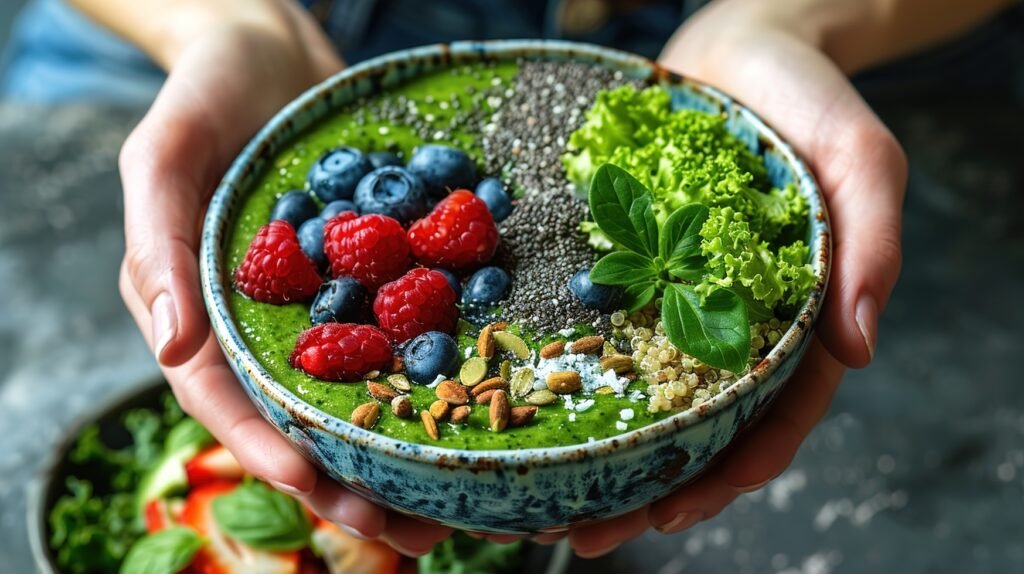
Maintaining healthy cholesterol levels is crucial for heart health, and specific superfoods can play a significant role in this. Foods such as oats, fatty fish, avocados, nuts, and legumes are known for their ability to help lower LDL cholesterol and enhance HDL cholesterol.
When considering which superfoods to include in your diet, it’s important to understand the mechanisms behind their benefits. For instance, oats contain soluble fiber, which binds to cholesterol in the digestive system and helps excrete it from the body. Fatty fish, rich in omega-3 fatty acids, can help lower triglyceride levels and reduce inflammation, benefiting heart health. Recognizing these connections can help prioritize food choices that effectively support healthy cholesterol levels.
Moreover, many people underestimate the impact of dietary habits on cholesterol management. A common mistake is relying solely on supplements or medications without addressing the diet. Incorporating a variety of these superfoods can lead to better outcomes than focusing on a single food or nutrient. It’s also essential to consider overall lifestyle factors, like exercise and stress management, that influence cholesterol levels.
Oats: A Fiber Powerhouse
Oats are one of the most effective superfoods for maintaining healthy cholesterol levels due to their high soluble fiber content. This type of fiber helps to bind cholesterol in the gut, facilitating its removal from the body. Regular consumption of oats can lead to a noticeable reduction in LDL cholesterol levels.
Incorporating oats into your breakfast routine can be simple and delicious. Consider oatmeal topped with fruits and nuts for added nutrients. However, it’s essential to choose whole oats rather than instant varieties, which often contain added sugars and preservatives.
Many people overlook the importance of cooking oats properly. Cooking them thoroughly can maximize their health benefits. Additionally, pairing oats with other fiber-rich foods can enhance their cholesterol-lowering effects, making it a smart choice for breakfast or snacks.
Fatty Fish: Omega-3 Fatty Acids for Heart Health
Fatty fish, such as salmon, mackerel, and sardines, are rich in omega-3 fatty acids, which are known for their heart health benefits. These nutrients can lower triglyceride levels and reduce the risk of heart disease. Regular consumption of fatty fish is linked to improved cholesterol profiles.
To incorporate fatty fish into your diet, aim for at least two servings per week. Grilling, baking, or steaming fish are healthy cooking methods that retain their beneficial properties. Many individuals, however, do not consider the quality of fish; wild-caught varieties often have higher omega-3 levels compared to farmed fish.
It’s crucial to balance the intake of fatty fish with other protein sources. While fish are excellent, diversifying your protein sources can prevent overexposure to potential contaminants like mercury, especially in larger fish species.
Avocados: The Heart-Healthy Fruit
Avocados are a unique fruit that can significantly contribute to heart health. They are high in monounsaturated fats, which can help lower bad cholesterol levels while raising good cholesterol. Their creamy texture makes them versatile in various dishes.
Incorporate avocados into your meals by adding them to salads, smoothies, or as a spread on toast. However, it’s essential to watch portion sizes, as avocados are calorie-dense. Many people underestimate the caloric impact when adding them to their daily diet.
Additionally, the timing of avocado consumption can matter. Consuming them as part of a balanced meal can enhance the absorption of fat-soluble vitamins and antioxidants from other foods, further promoting heart health.
Nuts and Seeds: Nutrient-Dense Options
Nuts and seeds are packed with healthy fats, fiber, and essential vitamins, making them excellent for cholesterol management. Almonds, walnuts, and chia seeds are particularly beneficial for lowering LDL cholesterol levels and supporting cardiovascular health.
To reap the benefits, aim for a small handful of nuts or a tablespoon of seeds daily. However, it’s important to choose unsalted varieties to avoid excess sodium intake. Many individuals mistakenly think that all nuts are equally healthy; however, some varieties can be high in omega-6 fatty acids, which should be consumed in moderation.
Moreover, incorporating nuts into meals can enhance satisfaction and reduce cravings. They can serve as a nutritious snack option or be added to salads and yogurt for added texture and flavor.
Legumes: The Cholesterol-Lowering Champions
Legumes, including beans, lentils, and chickpeas, are excellent sources of soluble fiber and plant-based protein. They can help lower cholesterol levels and improve heart health. Consuming legumes regularly can contribute to a balanced diet while aiding in weight management.
Consider adding legumes to soups, stews, or salads. However, many people do not realize that proper preparation can enhance their digestibility. Soaking beans before cooking can reduce cooking time and improve nutrient absorption.
Additionally, being mindful of portion sizes and cooking methods can make a difference. Overcooking legumes can lead to nutrient loss, while undercooking can result in digestive issues. A well-prepared legume dish can be a satisfying and heart-healthy meal option.
Further Reading
Authoritative Sources
- American Heart Association
heart.orgThis resource provides comprehensive guidelines on heart health and cholesterol management
- National Institutes of Health
ncbi.nlm.nih.govnih.govOffers research-backed information on dietary impacts on cholesterol and heart health
- Academy of Nutrition and Dietetics
eatright.orgA reliable source for dietary recommendations and nutritional advice related to cholesterol management
Frequently Asked Questions
What are the best superfoods for lowering cholesterol?
Foods like oats, fatty fish, avocados, nuts, and legumes are considered the best superfoods for lowering cholesterol levels.
How often should I eat these superfoods?
Aim to include a variety of these superfoods in your diet daily or at least a few times a week for optimal cholesterol management.
Can I rely solely on superfoods to manage cholesterol?
No, while superfoods can help, it’s important to maintain a balanced diet and a healthy lifestyle for effective cholesterol management.
Are there any side effects of eating too much of these superfoods?
Overconsumption can lead to excess calories and potential digestive issues, particularly with fiber-rich foods like legumes and oats.
What lifestyle changes can help maintain healthy cholesterol levels?
In addition to consuming superfoods, regular exercise, quitting smoking, and managing stress are crucial for maintaining healthy cholesterol levels.
Conclusion
Incorporating superfoods like oats, fatty fish, avocados, nuts, and legumes into your diet can significantly help in maintaining healthy cholesterol levels. However, it’s essential to view these foods as part of a broader lifestyle approach that includes regular physical activity and stress management. Prioritize a balanced diet and monitor your cholesterol levels regularly to achieve the best results. Making informed choices about what you eat can lead to lasting improvements in heart health and overall well-being.