
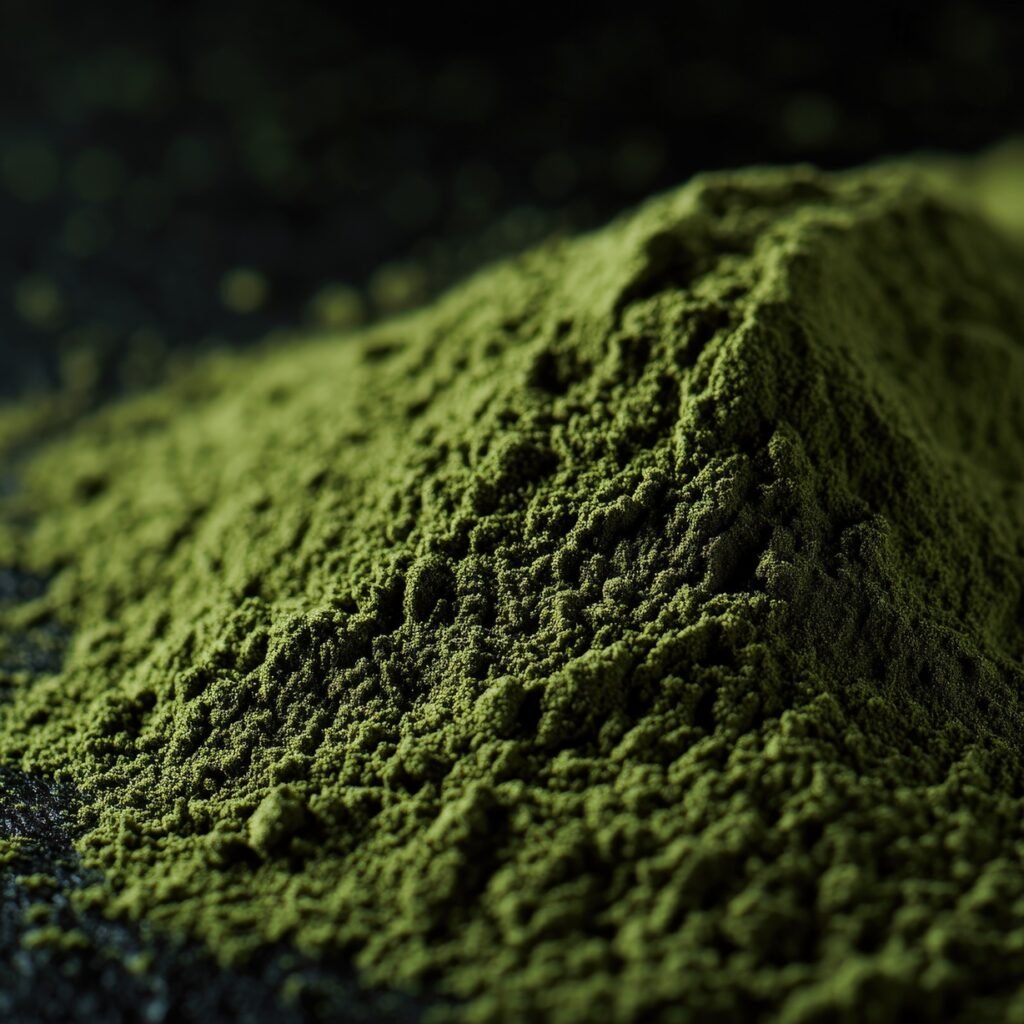
Overlooked superfoods that can significantly enhance immune support include astragalus, elderberry, and various fermented foods. Astragalus is particularly beneficial due to its adaptogenic properties, which help the body manage stress and boost immune cell production. Elderberry, rich in antioxidants, has been shown to alleviate flu symptoms and may reduce the duration of viral infections. Fermented foods, such as yogurt and kimchi, are essential for gut health, which is closely linked to immune function. Incorporating these superfoods into your daily diet can lead to improved immunity and overall health.
Astragalus: The Adaptogenic Powerhouse
Astragalus is an ancient herb known for its adaptogenic properties, which means it helps the body adapt to stress and enhances overall resilience. This superfood contains compounds called polysaccharides, which are believed to boost immune response by stimulating the production of immune cells such as macrophages and lymphocytes. Incorporating astragalus into your diet can be as simple as adding it to soups, teas, or taking it in supplement form.
Common misconceptions about astragalus include the belief that it is only effective in high doses or that it is not suitable for long-term use. However, studies suggest that low doses can still provide benefits, and it is often used in traditional medicine for extended periods without adverse effects. The key is to use it appropriately, considering individual health conditions and consulting with a healthcare provider when necessary.
Elderberry: Nature’s Antiviral
Elderberry, particularly the black elderberry (Sambucus nigra), has gained popularity for its potential antiviral properties, especially against influenza and other viral infections. The berries are rich in flavonoids, which are antioxidants that help reduce inflammation and enhance immune function. Research indicates that elderberry extract can reduce the duration and severity of flu symptoms, making it a valuable addition to your immune support arsenal.
When using elderberry, it’s essential to choose high-quality extracts, as not all products are created equal. Many commercial elderberry syrups contain added sugars and preservatives that may negate some of the health benefits. For optimal results, consider making your own elderberry syrup at home using dried elderberries, water, and honey. This not only ensures purity but also allows you to control the sweetness and potency.
Fermented Foods: Gut Health and Immunity
Fermented foods, such as yogurt, kefir, sauerkraut, and kimchi, play a significant role in supporting immune health through their impact on gut microbiota. The fermentation process enriches these foods with probiotics, which are beneficial bacteria that help maintain a balanced gut environment. A healthy gut is crucial for a robust immune system, as approximately 70% of the immune system is located in the gut.
Many people underestimate the importance of gut health in overall immunity, often relying solely on supplements. However, incorporating a variety of fermented foods into your diet can provide a natural source of probiotics that enhance gut flora diversity. Aim to include at least one serving of fermented food daily, but be mindful of potential digestive discomfort, especially if you’re new to these foods. Gradually increase your intake to allow your body to adjust.
Other Noteworthy Superfoods
In addition to astragalus, elderberry, and fermented foods, several other superfoods can contribute to immune support. Foods like garlic, turmeric, and spinach are rich in compounds that enhance immune function. Garlic contains allicin, known for its antimicrobial properties, while turmeric boasts curcumin, which has anti-inflammatory benefits. Spinach is packed with vitamins A, C, and E, all of which play roles in immune health.
It’s essential to recognize that while these foods can support immunity, they should not replace conventional medical treatments when necessary. A balanced diet, rich in a variety of whole foods, is the best approach to maintaining immune health. Focus on integrating these superfoods into a well-rounded diet, and consider consulting with a nutritionist for personalized recommendations.
Frequently Asked Questions
What are some benefits of astragalus?
Astragalus can enhance immune function, help the body adapt to stress, and may reduce the frequency of colds and other infections.
How does elderberry support the immune system?
Elderberry is rich in antioxidants and has antiviral properties that can help reduce the duration and severity of flu symptoms.
Can fermented foods improve gut health?
Yes, fermented foods provide probiotics that support a balanced gut microbiome, which is crucial for a healthy immune system.
Are there any side effects of taking astragalus?
Astragalus is generally safe for most people, but those with autoimmune disorders should consult a healthcare provider before use.
How can I incorporate these superfoods into my diet?
You can add astragalus to soups, use elderberry syrup during cold season, and regularly consume fermented foods like yogurt and kimchi.
Conclusion
Incorporating overlooked superfoods like astragalus, elderberry, and fermented foods into your diet can significantly enhance your immune support. These foods provide unique benefits that contribute to overall health and resilience against infections. To maximize their effectiveness, focus on a balanced diet rich in diverse nutrients and consult healthcare professionals when necessary. By prioritizing these superfoods, you can take proactive steps toward a stronger immune system.
Related Content
- Recognizing Nutrient Imbalances in Whole Food Diets: Common Signs and Remedies
- Ahi Tuna Nutrition and Mercury Considerations for Safer Serving Choices
- About
- Hearts of Palm Nutrition and Fiber Content for Salads, Snacks, and Balanced Meals
- What are the signs of nutrient deficiencies on a whole food diet?