
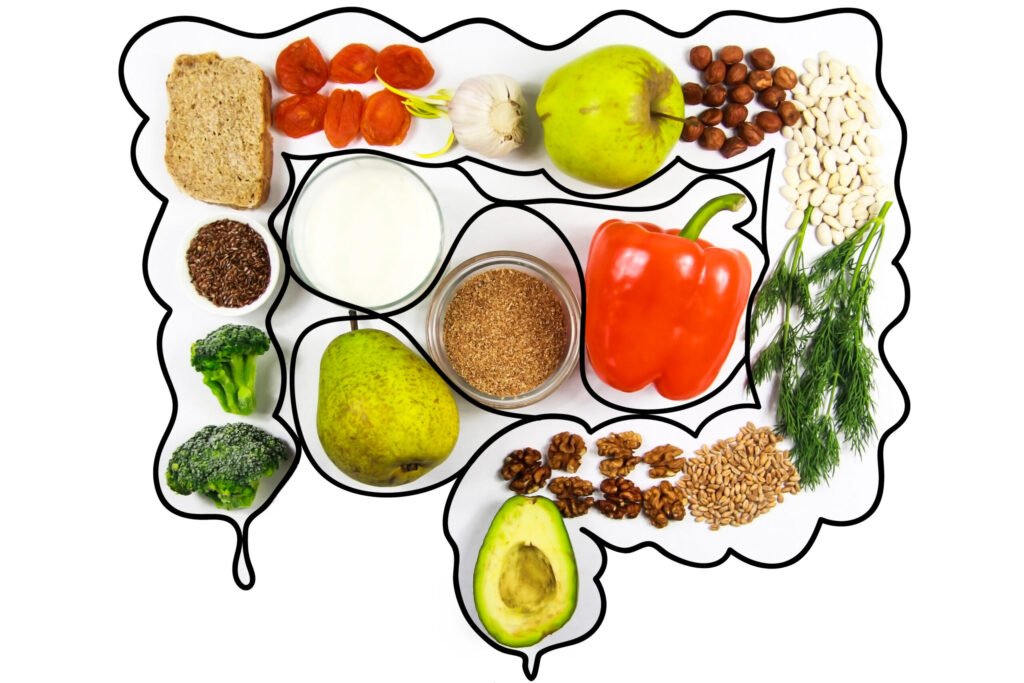
Certain superfoods can indeed trigger allergic reactions, with quinoa, chia seeds, and various nuts being among the most common offenders. These foods may provoke symptoms ranging from mild skin irritations to severe gastrointestinal distress and even anaphylaxis in sensitive individuals. It is crucial for anyone with known food allergies to read labels carefully, as cross-contamination can occur in processed superfood products. Keeping a food diary can help identify specific triggers and patterns in reactions. If you suspect an allergy, consulting a healthcare professional for proper testing and management is essential to ensure safe consumption.
Common Allergens in Superfoods
Many superfoods are touted for their health benefits but can also be potential allergens. Common allergens include quinoa, chia seeds, and various nuts and seeds. Quinoa, often referred to as a complete protein, contains saponins that can cause gastrointestinal discomfort and allergic reactions in sensitive individuals. Chia seeds, rich in omega-3 fatty acids, may trigger allergies in those with sensitivities to similar seeds.
Additionally, nuts, including almonds and walnuts, are frequent culprits of severe allergies. These foods can provoke reactions ranging from mild to life-threatening, making it crucial for consumers to be aware of their personal sensitivities. Label reading is essential, as many processed superfood products may contain traces of allergens due to cross-contamination.
Identifying Symptoms of Allergic Reactions
Recognizing the symptoms of an allergic reaction to superfoods is vital for prompt management. Symptoms can vary significantly, but common indicators include skin reactions like hives or swelling, gastrointestinal issues such as nausea, vomiting, or diarrhea, and respiratory problems like difficulty breathing.
In severe cases, anaphylaxis can occur, characterized by rapid swelling of the throat, a drop in blood pressure, and loss of consciousness. Individuals who suspect they have a food allergy should consult with a healthcare professional for appropriate testing and management strategies. Keeping a food diary can also help track reactions and identify potential allergens.
Risk Factors for Allergies
Certain factors can increase the likelihood of developing allergies to superfoods. A family history of allergies, particularly to food, significantly raises the risk. Additionally, individuals with existing allergies, particularly to related food groups, should exercise caution when trying new superfoods.
Environmental factors, such as exposure to certain foods at a young age, can also play a role in allergy development. For instance, introducing allergenic foods too early or too late may influence the likelihood of developing sensitivities. Understanding these risk factors can help individuals make informed dietary choices.
Managing Allergies When Consuming Superfoods
Managing allergies related to superfoods involves several proactive strategies. First, individuals should always read labels carefully to avoid hidden allergens. Cooking at home can help control ingredients and reduce the risk of cross-contamination.
For those with known allergies, carrying an epinephrine auto-injector can be life-saving in case of accidental exposure. It’s also beneficial to communicate dietary restrictions when dining out or attending social gatherings to ensure safe food choices. Educating oneself about potential allergens in superfoods can empower individuals to make safer dietary decisions and enjoy the health benefits without risking allergic reactions.

Frequently Asked Questions
What are the most common superfoods that cause allergic reactions?
Common superfoods include quinoa, chia seeds, and various nuts, which can trigger allergic responses in sensitive individuals.
How can I identify if I have an allergy to a superfood?
Keep a food diary to track symptoms and consult a healthcare provider for allergy testing if you suspect a reaction.
What symptoms indicate an allergic reaction to superfoods?
Symptoms can range from hives and digestive upset to severe anaphylaxis, including difficulty breathing and swelling of the throat.
Are there specific risk factors for developing food allergies?
Family history, existing allergies, and environmental exposures during childhood can increase the likelihood of developing food allergies.
What should I do if I have a food allergy?
Read labels carefully, avoid known allergens, and carry an epinephrine auto-injector if prescribed. Consult a healthcare professional for personalized management strategies.