
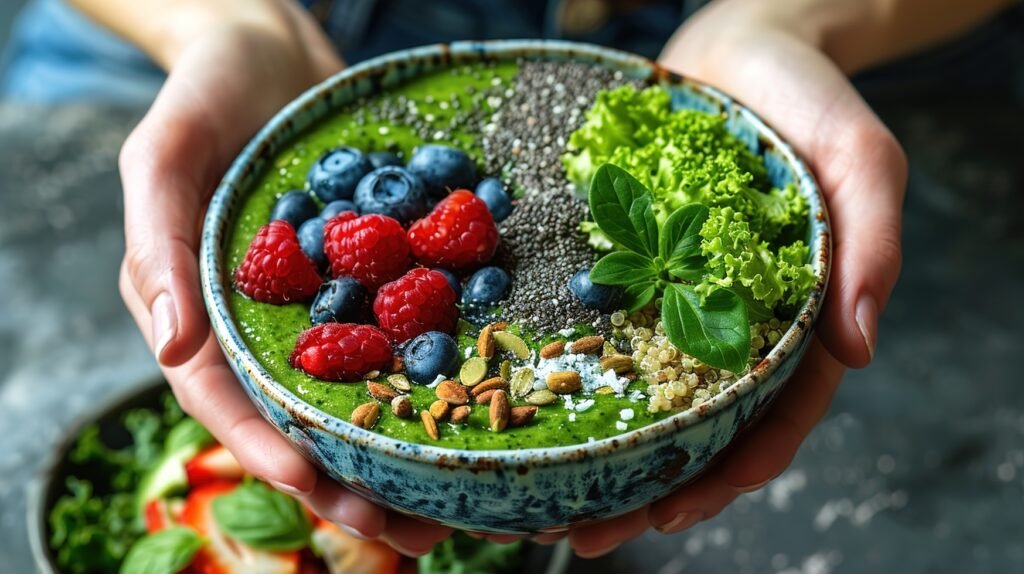
To avoid over-reliance on whole foods, it's important to incorporate a diverse range of food groups into your diet. While whole foods like fruits, vegetables, and whole grains are nutritious, they may not provide all the essential nutrients your body requires. For instance, nutrients such as vitamin B12 and certain fatty acids are primarily found in animal products and fortified foods. To ensure a balanced intake, consider mixing whole foods with some processed options that can fill in these gaps. This variety not only supports nutritional needs but also keeps your meals enjoyable and prevents dietary fatigue.
Understanding Whole Foods and Their Role
Whole foods are unprocessed or minimally processed items that retain most of their natural nutrients. These foods, such as fruits, vegetables, whole grains, nuts, and seeds, are praised for their health benefits. However, while they are a vital part of a healthy diet, relying solely on them can lead to nutrient gaps. It’s essential to recognize that while whole foods are rich in certain vitamins and minerals, they may not provide everything your body needs. For instance, essential fatty acids found in fish or fortified dairy products may be overlooked.
Incorporating a variety of food groups in your diet ensures a more balanced intake of nutrients. Whole foods can form the foundation of your meals, but they should be complemented with other food types to cover all dietary bases. This approach not only addresses nutritional requirements but also keeps meals interesting and enjoyable.
Identifying the Risks of Over-Reliance
Over-reliance on whole foods can lead to several risks, including nutrient deficiencies and a lack of dietary variety. For example, individuals who focus exclusively on whole foods might miss out on essential nutrients like vitamin B12, which is predominantly found in animal products. Additionally, consuming a limited range of foods can lead to meal fatigue, making it harder to maintain healthy eating habits over the long term.
Moreover, some whole foods can be high in certain compounds that may not be suitable for everyone, such as oxalates in spinach or goitrogens in cruciferous vegetables. These compounds can interfere with nutrient absorption or thyroid function if consumed in excess. Understanding these risks can help you make more informed dietary choices and promote a balanced approach to nutrition.
Strategies for a Balanced Diet
To avoid over-reliance, consider employing several strategies that promote dietary diversity. First, aim to include a wide range of food groups in your meals. This could mean pairing whole grains with legumes, adding a variety of vegetables to your dishes, and incorporating healthy fats from sources like avocados or olive oil.
Furthermore, consider the benefits of processed foods that are still nutritious. For example, frozen fruits and vegetables can retain their nutrient value and offer convenience without sacrificing quality. Look for minimally processed options that contain no added sugars or unhealthy fats. By embracing a variety of foods, you’ll not only meet your nutritional needs but also enjoy a more satisfying eating experience.
Practical Approaches to Meal Planning
Effective meal planning can help you strike a balance between whole foods and other food types. Start by creating a weekly meal plan that incorporates a mix of whole foods and other nutritious options. For instance, include whole grains, lean proteins, and healthy fats in your meals while also allowing for some processed foods like yogurt or canned beans.
Additionally, batch cooking can be a great way to ensure you have a variety of meals ready to go. Prepare several different dishes at once, using a mix of whole and processed foods to create balanced meals. This strategy not only saves time but also helps you avoid the monotony of eating the same foods repeatedly.

Frequently Asked Questions
What are whole foods?
Whole foods are natural, unprocessed foods that are free from additives or artificial ingredients, such as fruits, vegetables, whole grains, nuts, and seeds.
Why is it important to avoid over-reliance on whole foods?
Over-reliance on whole foods can lead to nutrient deficiencies and meal fatigue, as a limited diet may not provide all essential nutrients needed for optimal health.
How can I incorporate variety into my diet?
Incorporate variety by mixing different food groups in meals, including whole grains, lean proteins, and healthy fats, while also allowing for some nutritious processed foods.
What are some examples of nutritious processed foods?
Nutritious processed foods include frozen fruits and vegetables, canned beans, and whole grain breads, which can be convenient while still offering health benefits.
How can meal planning help with dietary balance?
Meal planning helps ensure a mix of whole and processed foods, making it easier to meet nutritional needs while preventing meal fatigue.
Conclusion
Avoiding over-reliance on whole foods is crucial for maintaining a balanced diet that meets your nutritional needs. By diversifying your food choices and incorporating a mix of whole and processed options, you can enhance your overall health and enjoyment of meals. Focus on planning meals that include a variety of food groups, and don’t hesitate to incorporate nutritious processed items when appropriate. This balanced approach will help you sustain healthy eating habits over the long term.
Related Content
- What Are The Main Benefits Of A Whole Food Diet?
- What To Consider When Integrating Superfoods Into Family Meals: Practical Steps for Balanced Nutrition
- How to Identify Signs of Superfood Intolerance: Symptoms, Causes, and Practical Steps
- How to Assess the Impact of Superfoods on Athletic Performance: Key Foods and Their Effects
- Identifying Signs of Nutrient Deficiency with Whole Foods: Symptoms, Causes, and Effective Solutions
Further Reading
Authoritative Sources
- NIH Office of Dietary Supplements
ods.od.nih.govEvidence-based information on vitamins, minerals, supplements, and nutrition-related questions.
- USDA FoodData Central
fdc.nal.usda.govUSDA nutrient data for foods and ingredients used in nutrition decisions.
- Harvard T.H. Chan School of Public Health Nutrition Source
hsph.harvard.eduPublic health nutrition guidance and educational resources.