
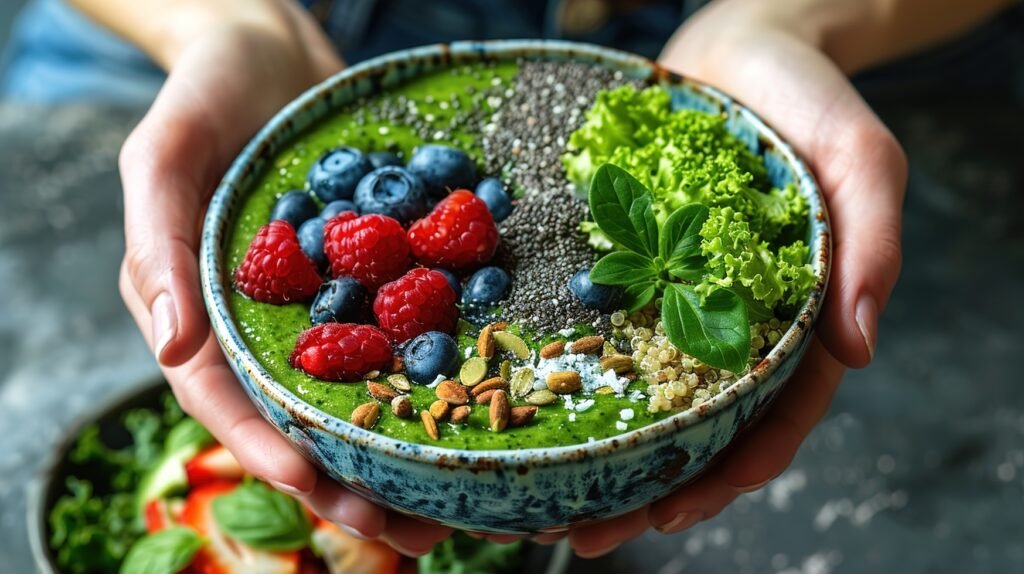
To successfully adopt whole food nutrition, prioritize incorporating a diverse array of nutrient-dense foods into your diet. Focus on fresh fruits and vegetables, whole grains, legumes, nuts, and seeds, as these provide essential vitamins, minerals, and healthy fats that support overall health. Meal planning is vital; it helps you avoid processed foods and ensures you meet your nutritional needs. Additionally, aim to balance your macronutrients by including adequate protein sources, which can be plant-based like beans and lentils. This holistic approach not only enhances your energy levels but also reduces the risk of chronic diseases, leading to improved long-term health outcomes.
Understanding Whole Food Nutrition
Whole food nutrition emphasizes eating unprocessed or minimally processed foods that are close to their natural state. This approach not only supports overall health but also helps in reducing the intake of preservatives and artificial ingredients commonly found in processed foods. Understanding the principles of whole food nutrition is crucial for making informed dietary choices that align with long-term health goals.
Whole foods are rich in essential nutrients, including vitamins, minerals, fiber, and healthy fats. By prioritizing these foods, individuals can improve their digestion, enhance energy levels, and reduce the risk of chronic diseases. Recognizing the importance of incorporating a variety of whole foods into your diet can lead to better health outcomes, making it a worthwhile endeavor.
Key Foods to Include
When transitioning to whole food nutrition, it is essential to focus on key food groups that provide a range of nutrients. Prioritize fresh fruits and vegetables, whole grains, legumes, nuts, and seeds. Each of these categories plays a vital role in supporting bodily functions and providing energy.
Fruits and vegetables are packed with vitamins, minerals, and antioxidants that help combat inflammation and oxidative stress. Whole grains, such as quinoa, brown rice, and oats, offer fiber and sustained energy. Legumes, including beans and lentils, are rich in protein and fiber, making them excellent meat alternatives. Nuts and seeds provide healthy fats and additional protein, supporting heart health and brain function.
It’s important to experiment with different foods and preparations to find what works best for your taste preferences and dietary needs. For example, incorporating seasonal produce can enhance flavor and nutrient density while keeping meals exciting.
Meal Planning for Success
Effective meal planning is crucial for successfully adopting whole food nutrition. By planning meals ahead of time, you can ensure a balanced diet and avoid the temptation of reaching for processed convenience foods. Start by setting aside a few hours each week to plan your meals and grocery shopping.
Begin by creating a weekly menu that includes breakfast, lunch, dinner, and snacks. Aim to incorporate a variety of foods from each key food group to maintain nutritional balance. When shopping, focus on the perimeter of the grocery store where fresh produce, meats, and whole grains are typically located, avoiding the processed aisles as much as possible.
As a practical tip, batch cooking can save time and help you stick to your meal plan. Prepare larger portions of meals that can be stored in the refrigerator or freezer for easy access throughout the week. This strategy not only reduces the likelihood of unhealthy choices but also makes it easier to incorporate whole foods into your daily routine.
Balancing Macronutrients
Balancing macronutrients—carbohydrates, proteins, and fats—is essential when adopting whole food nutrition. Each macronutrient plays a unique role in your diet, and understanding how to balance them can help optimize your health.
Carbohydrates should primarily come from whole food sources like fruits, vegetables, and whole grains. Proteins can be sourced from both animal and plant-based options, such as lean meats, fish, legumes, and nuts. Healthy fats, found in foods like avocados, olive oil, and fatty fish, are crucial for hormone production and nutrient absorption.

A common mistake is to overly restrict or eliminate certain macronutrients, leading to imbalances and potential health issues. Instead, aim for a balanced plate that includes a variety of foods to meet your nutritional needs while enjoying the flavors and textures of whole foods.
Frequently Asked Questions
What are whole foods?
Whole foods are unprocessed or minimally processed foods that are free from additives and preservatives, such as fresh fruits, vegetables, whole grains, nuts, and seeds.
How can I start a whole food diet?
Begin by incorporating more whole foods into your meals, planning your grocery list around fresh produce, whole grains, and lean proteins while reducing processed foods.
What should I avoid on a whole food diet?
Avoid foods high in added sugars, preservatives, and artificial ingredients, such as sugary snacks, fast food, and pre-packaged meals.
Can I eat meat on a whole food diet?
Yes, lean meats, fish, and poultry can be included in a whole food diet. Focus on sourcing high-quality, minimally processed animal products.
Is whole food nutrition expensive?
While some whole foods can be pricier, buying in bulk, choosing seasonal produce, and planning meals can help manage costs effectively.
Conclusion
Prioritizing whole food nutrition involves focusing on nutrient-dense foods, thoughtful meal planning, and balancing macronutrients. By integrating fresh fruits, vegetables, whole grains, and lean proteins into your meals, you can improve your overall health and well-being. Remember to experiment with different foods and preparations to keep your diet enjoyable and varied. Start small, make gradual changes, and stay committed to your whole food journey for lasting benefits.
Related Content
- Recognizing Signs of Nutrient Imbalances With Superfoods: Symptoms, Causes, and Remedies
- How to Spot Misleading Health Claims About Superfoods: Key Indicators and Common Pitfalls
- What Are Common Mistakes People Make With Whole Food Nutrition?
- What Are The Best Superfoods For Optimal Nutrition?
- Foods High in Potassium for Balanced Meals That Pair Well With Protein, Fiber, and Whole Grains