
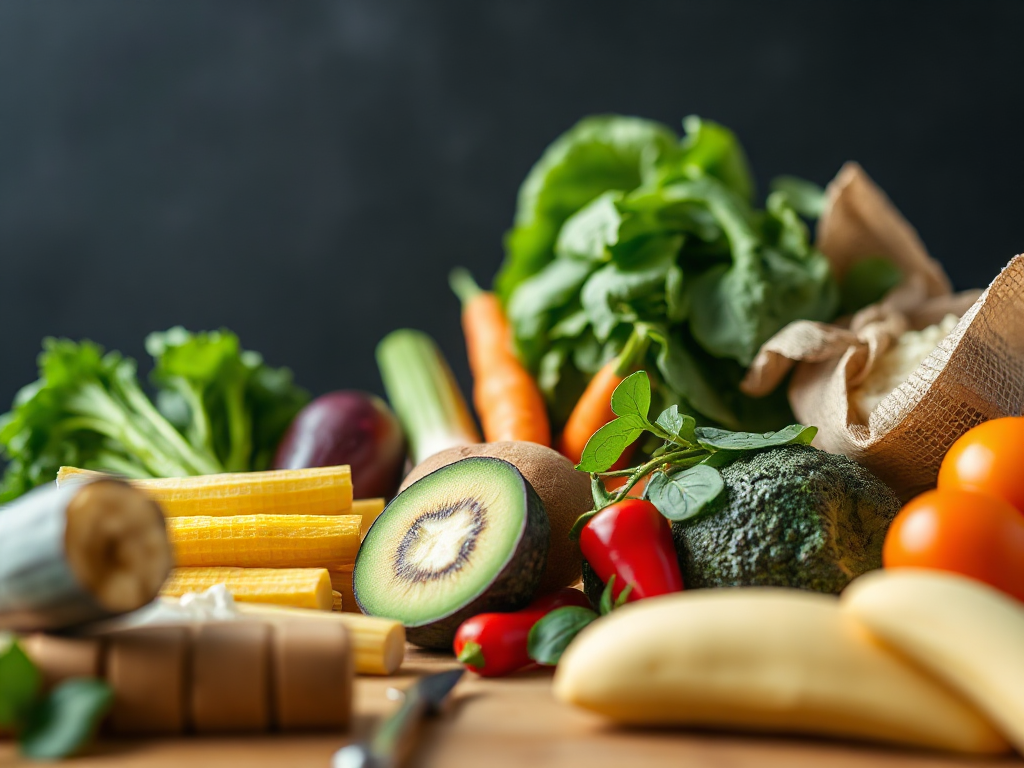
Common misconceptions about organic whole foods often stem from misunderstandings regarding their nutritional value and production methods. Many believe that organic foods are always healthier or more nutritious than conventional ones, but this is not universally true. Factors like soil health, farming practices, and food storage can significantly affect nutrient levels. Additionally, some consumers assume that organic labeling guarantees safety from pesticides or additives, which is misleading. Understanding these nuances is essential for making informed dietary choices.
The Nutritional Value of Organic Whole Foods
Organic whole foods are often perceived as superior in nutritional value compared to their conventional counterparts. However, the reality is more nuanced. While some studies suggest that organic foods may have higher levels of certain nutrients due to practices like crop rotation and organic fertilization, this is not a given across all products. The nutritional content can be heavily influenced by factors such as soil quality, harvest time, and storage conditions. Therefore, it is important to recognize that organic does not inherently mean more nutritious.
For instance, a head of organic lettuce can have similar nutrient levels as conventionally grown lettuce if both are grown in similar soil conditions. Additionally, factors such as freshness and how the food is prepared can also impact nutrient availability. Consumers should focus on sourcing a variety of fruits and vegetables, whether organic or not, to ensure a balanced intake of essential nutrients.
Understanding Organic Labels and Certifications
Organic labeling can be confusing for consumers. The USDA has specific guidelines that define what can be labeled as organic, which includes restrictions on synthetic fertilizers, pesticides, and genetically modified organisms (GMOs). However, many people assume that products labeled as organic are automatically healthier or more environmentally friendly, which can lead to misconceptions.
For example, the term ‘100% organic’ means that the product contains only organic ingredients, while ‘organic’ indicates that at least 95% of the ingredients are organic. Additionally, products labeled as ‘made with organic ingredients’ must contain at least 70% organic ingredients, which can mislead consumers into thinking they are purchasing a fully organic product. Understanding these labels helps consumers make better-informed choices based on their health and environmental priorities.
Pesticides and Additives in Organic Foods
A common misconception is that organic foods are completely free of pesticides and additives. While organic farming relies on natural pest control methods and prohibits synthetic pesticides, it does allow the use of certain natural pesticides. These can still pose health risks if consumed in large quantities, especially for sensitive populations. Furthermore, organic foods can still contain additives, but they must be derived from natural sources.
It’s crucial for consumers to understand that the absence of synthetic chemicals does not automatically make organic foods safer. For instance, the use of copper-based fungicides in organic farming can lead to soil toxicity over time. Therefore, consumers should consider a variety of factors, including farming practices and product sourcing, when evaluating the safety and health benefits of organic foods.
Cost vs. Benefit: Is Organic Worth It?
Many consumers face the dilemma of whether the higher cost of organic foods is justified. While organic products are often more expensive due to higher production costs, this does not always translate to better health outcomes. Research shows mixed results regarding the health benefits of organic versus conventional foods, leading some consumers to question if the price difference is worth it.
When considering whether to invest in organic foods, consumers should weigh the potential benefits against their personal budget and dietary needs. For instance, opting for organic versions of the ‘Dirty Dozen’—fruits and vegetables known to have higher pesticide residues—may be a more strategic choice than purchasing organic versions of produce with lower pesticide levels. Ultimately, being informed about the nutritional value, safety, and environmental impact of organic foods can help consumers make choices that align with their values and health goals.
Frequently Asked Questions
Are organic foods always healthier than conventional foods?
No, organic foods are not always healthier. Nutritional value can vary based on several factors, including soil quality and food freshness.
What do organic labels really mean?
Organic labels indicate that a product meets specific USDA standards, but the terms can vary in meaning, such as '100% organic' versus 'made with organic ingredients.'.
Are organic foods free from pesticides?
Not entirely. Organic foods can still contain natural pesticides, and the absence of synthetic pesticides does not guarantee safety.
Why are organic foods more expensive?
Organic foods often cost more due to higher production costs, including labor-intensive farming practices and stricter regulations.
Should I always buy organic?
It depends on your budget and priorities. Consider purchasing organic for items on the 'Dirty Dozen' list while opting for conventional for others.
Conclusion
Understanding common misconceptions about organic whole foods is essential for making informed dietary choices. While organic foods can offer certain benefits, they are not universally superior in nutrition or safety. Consumers should consider factors such as farming practices, labeling, and personal dietary needs when evaluating the value of organic products. Prioritizing a diverse diet rich in fruits and vegetables, regardless of their organic status, can lead to better overall health outcomes. Ultimately, being well-informed empowers consumers to align their food choices with their health goals and values.
Related Content
- How to Find Local Sources for Fresh Superfoods: Effective Methods and Community Resources
- What’s the Difference Between Whole Food and Synthetic Supplements?
- How to Balance Superfoods With Traditional Dietary Practices: Effective Methods and Practical Examples
- Steps to Take If You’re Unsure About Superfood Claims: Evaluating Nutritional Value and Authenticity
- Timing Your Superfood Intake for Maximum Benefits: Key Strategies for Optimal Nutrition
Further Reading
Authoritative Sources
- USDA FoodData Central
fdc.nal.usda.govOfficial food composition and nutrient data.
- CDC Nutrition
cdc.govOfficial public-health nutrition guidance and data.
- MedlinePlus Health Information
medlineplus.govConsumer health information from the U.S. National Library of Medicine.
- NIH Office of Dietary Supplements
ods.od.nih.govEvidence-based fact sheets about vitamins, minerals, supplements, and nutrition.