
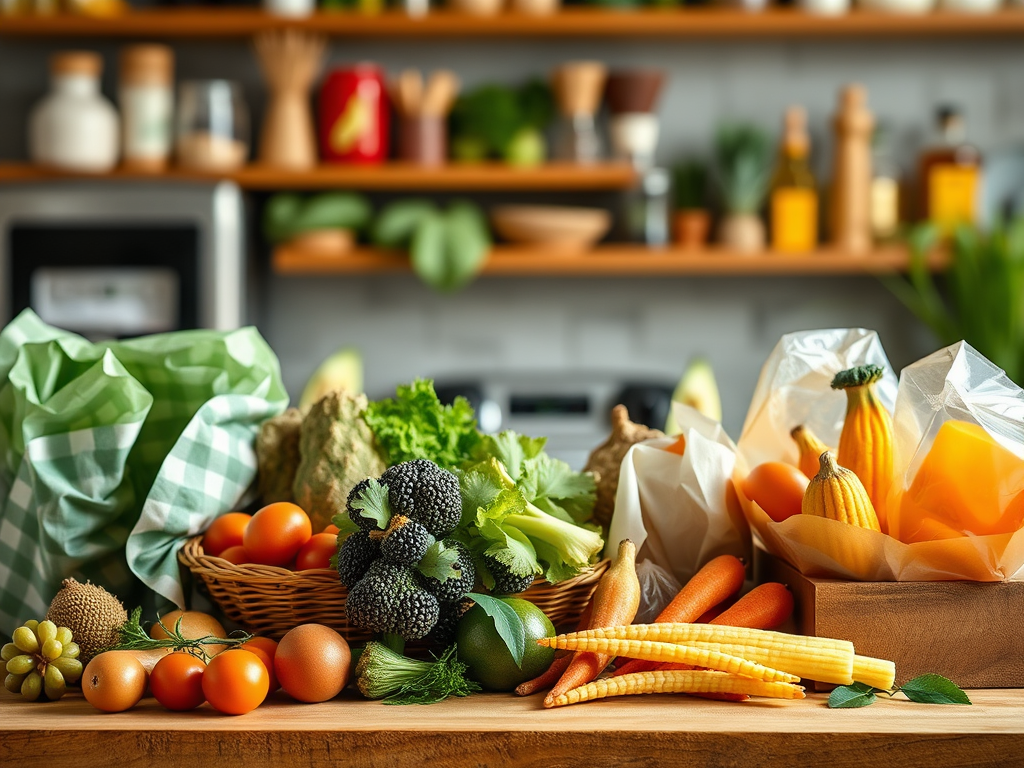
When whole food sources are unavailable, consider utilizing nutrient-dense alternatives such as frozen fruits and vegetables, canned legumes, and whole grains. These options maintain much of their nutritional value and can be easily incorporated into meals. Additionally, exploring local markets or food co-ops may provide access to fresh produce. It's essential to prioritize variety and balance in your diet, ensuring you meet your nutritional needs even when fresh whole foods are scarce.
Understanding Nutritional Needs
When whole food sources are unavailable, it’s crucial to understand your body’s nutritional needs. Nutrients such as vitamins, minerals, proteins, fats, and carbohydrates play vital roles in maintaining health. A balanced diet typically includes a variety of foods to ensure these needs are met. Recognizing the importance of alternative sources can help maintain health during periods when fresh produce and whole foods are hard to come by.
For instance, vitamin C, commonly found in fresh fruits and vegetables, can also be sourced from frozen options, which retain most of their nutrients. Similarly, proteins can be obtained from canned beans or legumes, which are often overlooked but provide essential amino acids. Understanding these alternatives ensures that you can adapt your diet without compromising nutritional intake.
Alternative Food Sources
In the absence of fresh whole foods, alternative sources can provide necessary nutrients. Frozen fruits and vegetables are excellent substitutes, as they are typically harvested at peak ripeness and flash-frozen, preserving their nutritional value. These can be easily added to smoothies, stir-fries, or soups.
Canned foods, such as beans, tomatoes, and fish, are also viable options. They have a long shelf life and can serve as a foundation for many meals. Whole grains like brown rice, quinoa, and oats can provide essential carbohydrates and fibers. Incorporating these foods into your diet can help ensure you are still receiving the necessary nutrients.
Meal Planning with Limited Options
Effective meal planning becomes essential when whole food sources are limited. Start by assessing what alternatives you have available, such as frozen and canned goods. Create a meal plan that incorporates these items while ensuring a balance of macronutrients. For example, a meal could consist of brown rice, canned black beans, and frozen mixed vegetables, seasoned appropriately.
Consider batch cooking meals that incorporate these alternative sources. This not only saves time but also ensures that you have nutritious options readily available. Additionally, experimenting with spices and herbs can enhance the flavor of meals prepared with these alternative ingredients, making them more enjoyable.
Maintaining Nutritional Balance
Maintaining a balanced diet is crucial, even when relying on alternative food sources. Aim for a variety of foods to cover the spectrum of nutrients required by your body. For example, pairing protein sources like canned tuna or chickpeas with healthy fats from olive oil or nuts can create a balanced meal.
Keep in mind the importance of hydration and consider incorporating hydration-rich foods, such as soups made with canned vegetables and broth. Monitoring portion sizes and ensuring a colorful plate can also help in maintaining balance, even when fresh whole foods are scarce. Prioritize whole grains, lean proteins, and healthy fats to create meals that are both satisfying and nutritious.

Frequently Asked Questions
What are the best substitutes for fresh fruits and vegetables?
Frozen fruits and vegetables are excellent substitutes, as they retain most nutrients and can be used in various meals.
How can I ensure I get enough protein without whole foods?
Canned beans, lentils, and legumes are great sources of protein that can easily replace fresh options.
Are there any risks to relying on canned foods?
Canned foods can be high in sodium, so it's important to choose low-sodium options or rinse them before use.
How can I make meals more interesting with limited ingredients?
Experiment with spices and herbs to enhance flavors, and consider batch cooking to create variety in meals.
What should I prioritize in my diet when whole food sources are unavailable?
Focus on variety, ensuring you include proteins, healthy fats, whole grains, and hydration-rich foods in your meals.