
Understanding Nutrient Density
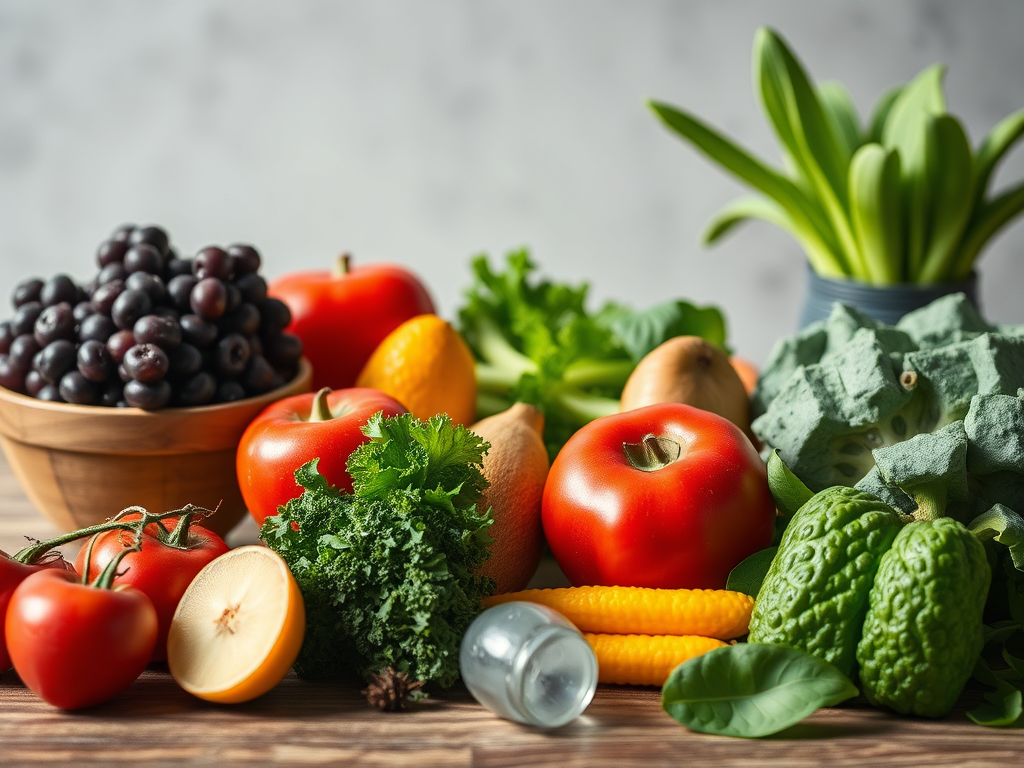
Nutrient density is the measure of the nutrients a food contains relative to its calorie content. When selecting superfoods for detox, it is imperative to prioritize those that are high in vitamins, minerals, and antioxidants while keeping calories low. Foods such as leafy greens, berries, and cruciferous vegetables exemplify nutrient-dense superfoods.
High nutrient density supports various detoxification processes in the body, particularly in the liver, which plays a key role in filtering toxins. For example, spinach and kale contain chlorophyll, which may help eliminate toxins from the bloodstream. Moreover, berries are rich in antioxidants that combat oxidative stress during detoxification.
However, not all foods labeled as superfoods are created equal. Some may be processed or contain added sugars, which can negate their detox benefits. Therefore, always check labels and opt for whole, minimally processed options. Additionally, incorporating a variety of nutrient-dense foods ensures a broader spectrum of nutrients, enhancing overall detox effectiveness.
Importance of Sourcing Practices
The sourcing of superfoods significantly impacts their quality and nutritional value. Organic and locally sourced foods typically have higher nutrient levels and lower pesticide residues, making them preferable for detox diets. For instance, organic berries have been shown to contain higher antioxidant levels compared to conventionally grown varieties.
Furthermore, supporting local farmers promotes sustainable practices and reduces the carbon footprint associated with transporting food over long distances. When selecting superfoods, consider visiting local farmer’s markets or joining a community-supported agriculture (CSA) program. This not only ensures fresher produce but often provides seasonal varieties that are naturally suited for detoxification.
It’s also essential to be aware of potential contamination in superfoods, particularly those sourced from regions with high pollution levels. Researching the origins of your superfoods and opting for reputable brands can help mitigate this risk. Remember, the quality of the food you consume directly influences your body’s ability to detoxify effectively.
Optimal Timing for Detox
Timing plays a crucial role in the effectiveness of detoxification. Certain superfoods may be more beneficial during specific phases of a detox regimen. For instance, incorporating high-fiber foods like chia seeds and flaxseeds can help support digestive health and promote regular bowel movements, which are vital during detox.
Additionally, consuming antioxidants during the initial detox phases can help combat oxidative stress. Foods such as turmeric and green tea are known for their anti-inflammatory properties and can support the body’s natural detox processes. Integrating these foods at the start of your detox can enhance the overall experience.
Moreover, consider the timing of your meals. Eating smaller, more frequent meals can help maintain energy levels and support metabolic function, which is particularly useful during a detox. This approach can prevent feelings of deprivation and help you stay committed to your detox goals.
Common Mistakes in Superfood Selection
One of the most common mistakes people make when selecting superfoods for detox is focusing solely on trends rather than nutritional value. For example, while acai and spirulina are popular superfoods, they may not be the best choices for everyone. It’s essential to assess personal health needs and dietary preferences before incorporating them into your detox plan.
Another mistake is neglecting to consider food combinations. Some nutrients work synergistically, enhancing absorption and effectiveness. For instance, pairing vitamin C-rich foods like citrus with iron-rich sources like spinach can improve iron absorption, boosting overall nutrient intake during detox. Ignoring these combinations can lead to suboptimal results.
Lastly, many individuals underestimate the importance of hydration during detox. While superfoods are vital, they should not replace adequate water intake. Staying hydrated helps flush out toxins and supports kidney function, further enhancing the detox process.
For those looking to dive deeper into the topic of superfoods and detoxification, consider exploring reputable sources such as nutrition-focused articles from the USDA or peer-reviewed studies available through university databases. Understanding the science behind detoxification can provide valuable insights into how best to approach your detox journey.
Frequently Asked Questions
What are some examples of nutrient-dense superfoods?
Examples include kale, spinach, blueberries, and quinoa, all rich in essential vitamins and minerals.
How do sourcing practices affect detox?
Sourcing practices influence the nutrient quality and safety of superfoods, with organic and local options generally being healthier.
What timing is best for consuming superfoods during detox?
Timing varies, but incorporating high-fiber foods early on can support digestion, while antioxidants can help combat oxidative stress during initial detox phases.
What common mistakes should I avoid when selecting superfoods?
Common mistakes include focusing on trends over nutritional value, neglecting food combinations, and underestimating the importance of hydration.
Is hydration important during detox?
Yes, staying hydrated is crucial as it helps flush out toxins and supports kidney function throughout the detox process.