
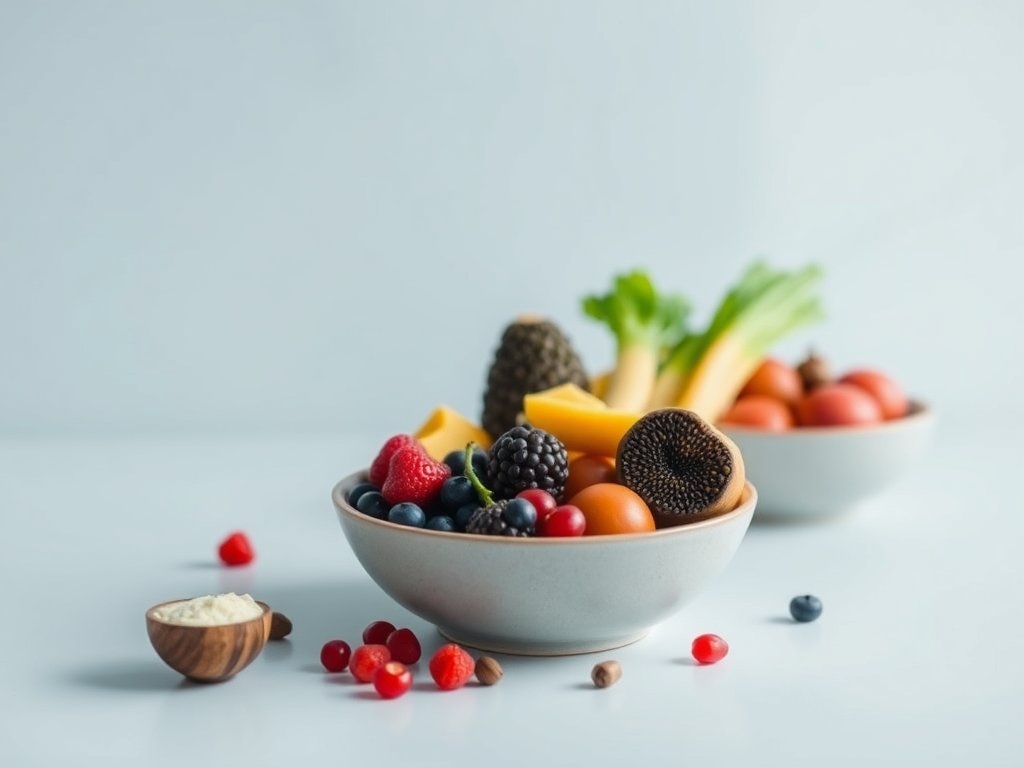
If superfoods disrupt gut health, it's crucial to identify the specific foods causing distress and adjust your diet accordingly. Start by tracking your food intake and symptoms to pinpoint culprits. Gradually reintroduce superfoods while monitoring your body's response, and consider incorporating digestive aids like probiotics or fermented foods to support gut health. Consulting a healthcare professional can also provide personalized guidance tailored to your unique needs.
Understanding Gut Health and Superfoods
Gut health is a critical component of overall well-being, influencing digestion, immunity, and even mental health. Superfoods, often touted for their high nutrient content, can sometimes lead to digestive issues, particularly when introduced abruptly or in excess. These foods, which include items like kale, chia seeds, and acai berries, provide numerous health benefits but may cause discomfort for some individuals. It’s essential to understand how these foods interact with your digestive system to manage any adverse effects effectively.
The gut microbiome, composed of trillions of bacteria, plays a significant role in processing food and maintaining health. A sudden influx of superfoods can disrupt the balance of this microbiome, leading to symptoms such as bloating, gas, or diarrhea. Recognizing the connection between superfoods and gut health is the first step in addressing any issues that arise.
Identifying Problematic Superfoods
To address gut health disruptions caused by superfoods, the first step is to identify which specific foods may be problematic. This process often involves keeping a food diary to track what you eat and any subsequent symptoms. Pay close attention to foods that are high in fiber or have strong anti-inflammatory properties, as these can sometimes overwhelm your digestive system if consumed in large quantities.
Common superfoods that may cause issues include:
- Chia Seeds: High in fiber, they may lead to bloating if not adequately hydrated before consumption.
- Kale: This cruciferous vegetable can cause gas and discomfort for those sensitive to FODMAPs.
- Acai Berries: While nutritious, some may experience digestive upset from the sugars or fibers found in these berries.
By gradually eliminating these foods and monitoring your gut’s response, you can pinpoint specific superfoods that may not agree with your system.
Adjusting Your Diet: Practical Steps
Once you’ve identified superfoods that disrupt your gut health, it’s time to make practical adjustments. Start by removing the problematic foods from your diet and replacing them with gentler options that still provide nutritional benefits. For instance, if chia seeds are causing issues, consider substituting with flaxseeds, which may be easier on your digestion.
Reintroduction is a crucial step in this process. After a period of elimination, gradually reintroduce superfoods one at a time, allowing a few days between each to observe any reactions. This method helps you understand your body’s tolerance levels and avoids overwhelming your digestive system.
Additionally, consider the timing of your meals. Eating smaller, more frequent meals can help alleviate digestive stress compared to larger, less frequent ones. This approach can be particularly beneficial when reintroducing superfoods, as it provides your gut with the ability to adapt without being overloaded.
Supporting Gut Health: Remedies and Strategies
In addition to adjusting your diet, incorporating certain remedies and strategies can support gut health and mitigate any disruptions caused by superfoods. Probiotics are an excellent option, as they help restore balance to the gut microbiome. Foods rich in probiotics include yogurt, kefir, and fermented vegetables like sauerkraut and kimchi.
Another effective strategy is to include prebiotic foods in your diet, which nourish the beneficial bacteria in your gut. Foods such as garlic, onions, bananas, and asparagus are excellent sources of prebiotics and can promote a healthy digestive environment.
Staying hydrated is also essential for gut health. Drinking plenty of water aids digestion and helps prevent constipation, particularly when consuming high-fiber superfoods. Aim for at least eight glasses of water a day, adjusting based on your individual needs and activity level.

Frequently Asked Questions
What are some common signs that superfoods are disrupting gut health?
Signs include bloating, gas, diarrhea, and stomach cramps, which may indicate that certain superfoods do not agree with your digestive system.
How can I identify which superfoods are causing issues?
Keep a food diary to track what you eat and any symptoms experienced, which can help pinpoint problematic foods.
What should I do if I experience digestive issues after consuming superfoods?
Eliminate the suspected superfoods from your diet, then gradually reintroduce them one at a time to monitor your body's response.
Are there any remedies to support gut health?
Probiotics, prebiotic foods, and staying hydrated are effective strategies for supporting gut health and mitigating disruptions caused by superfoods.
How can I ensure I'm getting the benefits of superfoods without digestive issues?
Start by introducing superfoods gradually, in small amounts, and monitor your body's reactions to avoid overwhelming your digestive system.
Conclusion
Managing gut health disruptions caused by superfoods requires a careful approach that includes identifying problematic foods, adjusting your diet, and incorporating supportive remedies. By tracking your intake and symptoms, you can better understand how your body reacts to different superfoods. Gradually reintroducing these foods while prioritizing hydration and digestive aids can help maintain a healthy gut. Always consult with a healthcare professional for personalized advice tailored to your unique health needs.
Related Content
- How to Incorporate Superfoods Into a Low-Sugar Diet With Balanced Meals and Smarter Swaps
- Why Nutrient Density Varies in Plant-Based Foods: Understanding Key Factors and Examples
- How to Choose Superfoods That Align With Personal Values: A Practical Framework
- Steps to Take If Superfoods Interfere With Medications: Key Actions and Precautions
- Is a Greens Powder Worth It? (Pros and Cons You Should Know)