
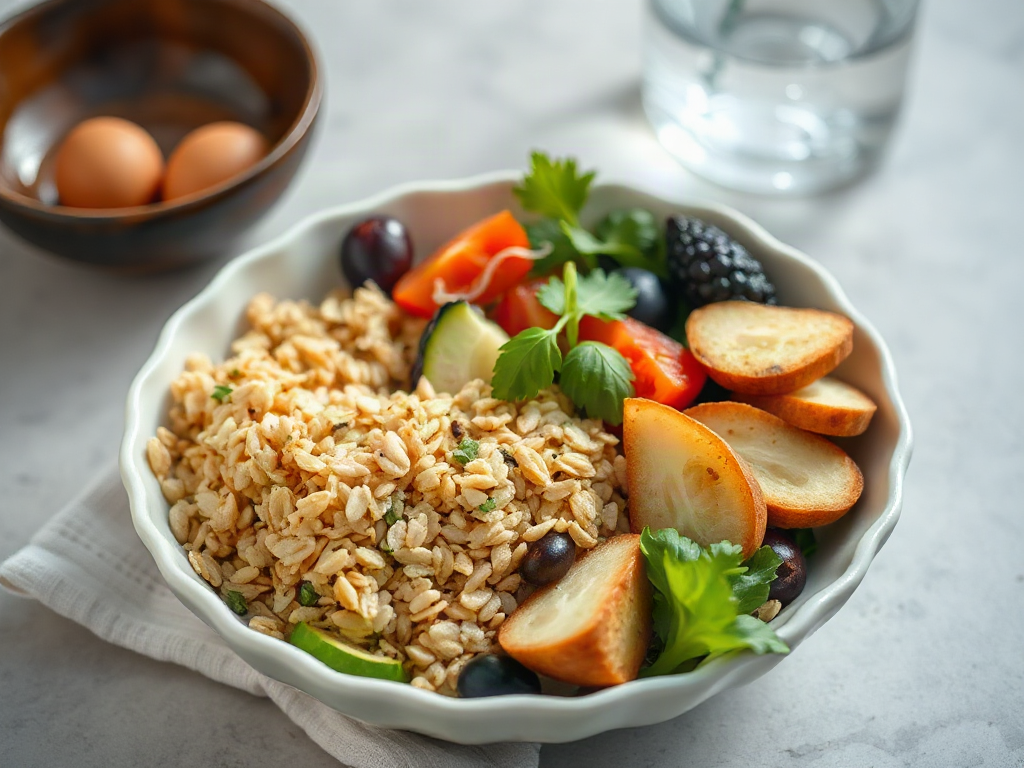
Low sulfur diet foods and practical meal limits are best managed by emphasizing fresh grains, selected fruits, lower-sulfur vegetables, and modest portions while limiting eggs, alliums, cruciferous vegetables, legumes, and processed foods with sulfite additives. Sulfur is a normal part of protein and many plant compounds, so the goal is usually to reduce dietary triggers rather than remove every sulfur-containing food. Portion size, food preparation, personal tolerance, and the reason for the diet determine how restrictive a plan should be. A short food-and-symptom record can reveal whether a large serving, a specific ingredient such as garlic, or an additive is the more relevant problem.
What A Low-Sulfur Diet Actually Limits
A low-sulfur diet is not a universal elimination diet. Sulfur occurs naturally in methionine- and cysteine-containing proteins, in vegetables from the allium and cruciferous families, and in some food additives. Eggs, meat, fish, dairy foods, garlic, onions, broccoli, cauliflower, cabbage, Brussels sprouts, beans, and lentils may therefore appear on a restriction list, but the appropriate limit depends on the reason for the diet and the person using it.
That distinction matters because “sulfur” may refer to different dietary concerns. Some people are investigating symptoms they associate with sulfur-rich foods, while others need to avoid sulfites, which are preservatives used in selected packaged foods and beverages. Sulfites are not the same thing as naturally occurring sulfur amino acids. Treating them as identical can produce an unnecessarily narrow menu and make it harder to identify the actual trigger.
Whole foods also behave differently from mixed products. A plain piece of chicken may be easier to evaluate than a packaged chicken entrée containing onion powder, garlic, seasoning blends, or preservative ingredients. A bowl of lentils supplies fiber, folate, and plant protein, but it may be less suitable during a short symptom-investigation phase than rice with a simpler protein. The tradeoff is nutritional quality versus easier interpretation of symptoms.
Before changing several food groups, write down the reason for the trial, the symptoms being observed, and the intended duration. A medically diagnosed sulfite sensitivity, digestive disorder, metabolic condition, or unexplained symptom pattern should not be managed with a severe restriction based only on online lists. Use Low sulfur diet foods and practical meal limits as a planning reference, not as a diagnosis or treatment protocol.
Lower-Sulfur Foods To Build Meals Around
Lower-sulfur meal planning usually begins with foods that have short ingredient lists and can be portioned consistently. Rice, oats, quinoa, corn, potatoes, sweet potatoes, many fresh fruits, and selected vegetables can provide the carbohydrate base of meals. Depending on individual tolerance, options such as carrots, cucumber, lettuce, bell peppers, zucchini, green beans, and squash may be easier to test than garlic, onions, broccoli, or cabbage.
Protein requires more judgment because many concentrated protein foods naturally contain sulfur amino acids. A small serving of fresh poultry, fish, meat, or dairy may fit one person’s plan, while another person may need a clinician-directed alternative. The aim is not to label all protein as unsafe. It is to avoid allowing restriction to reduce total protein, iron, vitamin B12, calcium, or energy intake without a replacement.
Freshness and processing can change the practical decision. Plain cooked rice with roasted zucchini is easier to assess than a boxed rice mix with onion flavoring. A fresh pear or apple may be simpler to evaluate than dried fruit, wine, bottled lemon juice, or a snack containing preservatives. Read ingredient labels for terms that indicate sulfite preservatives, including sulfur dioxide, sodium metabisulfite, sodium bisulfite, potassium metabisulfite, and related wording. Label rules vary by jurisdiction, so packaged-food decisions should follow the regulations where the product is sold.
A workable plate might contain oatmeal topped with a tolerated fresh fruit at breakfast, rice with a measured serving of plain protein and carrots at lunch, and potatoes with zucchini and a carefully chosen protein at dinner. Seasoning can rely on herbs, ginger, citrus zest, or infused oils if tolerated, while garlic and onion powders are kept out during the initial test. The better choice is the plate that is both nutritionally adequate and simple enough to interpret, not the one with the longest prohibited-food list.
Practical Meal Limits And Portion Testing
Meal limits are more useful when they describe portions and frequency rather than declaring foods permanently forbidden. A large serving of a sulfur-containing food may create a different experience from a small amount spread across a meal, although portion response is personal and should not be assumed. Start with one variable at a time: keep the meal simple, use a modest serving, and record the food, preparation method, time, and symptoms.
For example, a person testing legumes could compare a small serving of plain lentils with rice against a meal containing lentils, garlic, onions, spicy sauce, and a packaged dressing. If symptoms occur after the mixed meal, the result does not identify lentils as the cause. A controlled comparison is more informative than removing every food eaten that day. The same principle applies to eggs, dairy, cruciferous vegetables, and meat.
Meal spacing can also improve interpretation. Repeating a suspected food several times in one day makes the total exposure difficult to judge and can turn a mild experiment into an unnecessarily intense challenge. A practical approach is to keep one suspected item to a modest portion in one meal, avoid introducing another suspected item at the same time, and allow enough observation time for the individual pattern to become clear. A dietitian or clinician should determine the testing method when symptoms are severe, delayed, or medically concerning.
Use a short checklist when setting limits:
- Choose plain, minimally processed ingredients first.
- Measure the suspected food rather than estimating from memory.
- Check sauces, stock cubes, spice blends, dried fruit, and beverages for additives.
- Record symptoms and ordinary factors such as illness, stress, constipation, or medication changes.
- Reassess whether the restriction is producing useful information after the planned trial.
A common mistake is assuming that a “low-sulfur” label guarantees safety. There is no single universally accepted threshold for every person or condition, and online food charts may conflict. Another mistake is reducing portion size so far that the meal becomes inadequate. If fatigue, unintended weight loss, persistent diarrhea, vomiting, breathing difficulty, swelling, or other serious symptoms occur, stop self-experimentation and seek appropriate medical care.
Common Mistakes, Nutrient Gaps, And Safer Adjustments
The largest practical risk is confusing a targeted trial with long-term avoidance. Removing eggs, meat, dairy, legumes, garlic, onions, and several vegetable families at once can sharply reduce protein, iron, calcium, vitamin B12, fiber, and overall calorie intake. A menu based mostly on white rice, fruit, and a few vegetables may look uncomplicated but can become nutritionally thin within days or weeks.
Build substitutions before removing a food. If dairy is limited, consider how calcium and protein will be supplied. If legumes disappear, identify another tolerated protein source and a fiber source. If cruciferous vegetables are excluded, rotate suitable vegetables such as carrots, squash, peppers, or green beans rather than eating one food repeatedly. Supplements should not be added automatically; their suitability depends on the person’s health, medications, laboratory findings, and diet.

Processing is another frequent blind spot. A person may avoid fresh onions but continue eating flavored chips, instant noodles, deli foods, bottled sauces, or restaurant dishes containing onion or garlic powders. Someone investigating sulfites may focus on natural sulfur foods while overlooking preserved products. Keeping the ingredient list short is useful during an investigation, but it is not proof that a food is harmless or that a symptom has a single dietary cause.
Compare the strict and moderate approaches. A strict short trial may be easier to interpret when symptoms are frequent and the food history is confusing, but it carries a higher risk of inadequate intake and unnecessary fear. A moderate approach preserves more variety and may be more sustainable, but overlapping ingredients can make the result harder to interpret. The choice should reflect symptom severity, nutritional status, medical history, and professional guidance.
Use the meal-limit framework to prioritize the most plausible exposure first. Do not keep tightening the diet simply because one symptom-free day has not occurred. A food diary that shows no consistent relationship is itself useful evidence against indefinite restriction.
A Simple Daily Plan For Tracking Tolerance
A practical day should be repetitive enough to reveal patterns but varied enough to protect nutritional adequacy. Breakfast might be oats with a fresh fruit that has already been tolerated. Lunch could be rice or potatoes, a modest portion of a plain protein, and one simply prepared vegetable. Dinner can use a different starch, a second tolerated vegetable, and another measured protein choice if that fits the person’s plan.
Keep cooking methods uncomplicated during the first phase. Steaming, baking, or simmering makes it easier to distinguish the main ingredient from restaurant oils, marinades, and seasoning mixtures. Write down brand names for packaged foods and note whether leftovers, reheating, or storage change the experience. These details matter when a suspected problem may actually involve an additive or preparation method.
After several stable days, introduce only one meaningful change. That might be a small serving of a legume, a portion of broccoli, an egg, or a product containing a suspected preservative. Do not test a new food on a day when travel, illness, alcohol, unusually poor sleep, or another major dietary change could obscure the result. If the same response appears repeatedly, discuss the pattern with a qualified professional rather than treating it as definitive proof.
Signs that the plan is useful include clearer food records, adequate energy, meals that remain socially and financially realistic, and a gradual return of variety when appropriate. Signs that it is failing include escalating restrictions, anxiety around ordinary foods, weight loss, constipation from low fiber, or symptoms that continue regardless of meals. The next step in those situations is better assessment, not another increasingly narrow list. A carefully documented trial gives a clinician or dietitian more actionable information than an unstructured elimination diet.
For food composition and nutrient replacement questions, consult the USDA FoodData Central database, national food-label guidance, and a registered dietitian familiar with elimination diets or food sensitivities. People with breathing symptoms, swelling, faintness, severe gastrointestinal symptoms, or suspected allergic reactions should seek medical evaluation rather than relying on a low-sulfur food chart.
Frequently Asked Questions
Which foods are commonly limited on a low-sulfur diet?
Commonly limited foods include eggs, meat, fish, dairy, garlic, onions, cruciferous vegetables, legumes, and some processed products. The list is not universal, and sulfite additives should be considered separately from naturally occurring sulfur.
Can I eat protein while reducing sulfur?
Usually, protein should be managed rather than removed automatically. A dietitian can help select tolerated portions and replacements so that iron, vitamin B12, calcium, and total protein do not fall too low.
Are sulfur foods and sulfites the same?
No. Sulfur-containing nutrients and plant compounds are naturally present in foods, while sulfites are preservative additives found in selected packaged foods and beverages. A reaction to one does not automatically establish a problem with the other.
How should I test a food portion?
Use a modest measured portion of one food in an otherwise familiar meal, record preparation details and symptoms, and avoid testing several suspected foods together. Professional guidance is preferable when symptoms are severe or unpredictable.
Is a low-sulfur diet safe long term?
It may become nutritionally inadequate if many protein foods, dairy products, legumes, and vegetables are excluded. Long-term restriction should have a clear medical reason and a plan for nutrient adequacy and food reintroduction.
Conclusion
Useful low-sulfur planning depends less on memorizing a universal forbidden-food chart and more on separating natural sulfur from sulfite additives, simplifying preparation, and setting measured portions. Build meals around tolerated grains, potatoes, fresh produce, and an adequate protein source, then test one suspected food at a time. Keep an eye on calcium, iron, vitamin B12, fiber, and total energy when restrictions expand. A food diary can identify repeatable patterns, but it cannot diagnose an intolerance or allergy by itself. If symptoms are severe, persistent, or accompanied by breathing problems, swelling, faintness, or significant weight change, obtain medical advice. The practical goal is a nutritionally sound diet with the fewest restrictions needed to answer the specific question being investigated.