
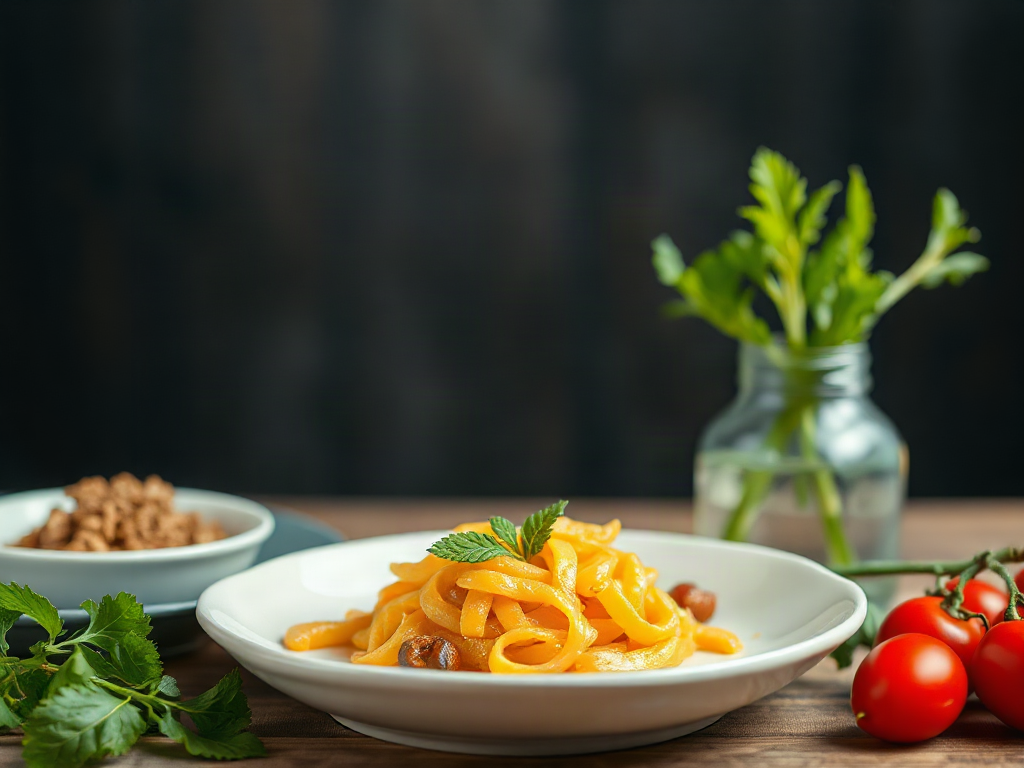
Glutathione foods and realistic dietary support center on supplying sulfur-containing foods, adequate protein, and the nutrients needed for the body’s own glutathione production rather than expecting a single food to raise levels dramatically. Garlic, onions, cruciferous vegetables, legumes, eggs, fish, poultry, and nuts provide building materials or related nutrients, while vitamin C-rich produce may help maintain antioxidant defenses. Cooking choices, overall energy intake, protein adequacy, alcohol use, and digestive tolerance can affect how practical this pattern is. Food may support normal glutathione metabolism, but it is not a proven treatment for disease, and persistent symptoms or concerns about deficiency require qualified medical advice.
How Dietary Glutathione Support Works
Glutathione is a compound made inside cells from three amino acids: cysteine, glutamate, and glycine. Because the body synthesizes it, eating glutathione itself is not the same as reliably increasing usable glutathione throughout the body. Dietary support is better viewed as a pattern that supplies raw materials, protects cells from oxidative stress, and supports the enzymes involved in normal antioxidant activity.
Cysteine is often treated as the limiting building block because it can be less abundant in typical eating patterns than the other two amino acids. Protein-containing foods such as eggs, poultry, fish, dairy foods, lentils, beans, and tofu can contribute cysteine and glycine. Cruciferous vegetables, including broccoli, cabbage, kale, and Brussels sprouts, contain sulfur-related compounds that are being studied for their relationship to cellular defense pathways. Those compounds are not identical to glutathione, so a serving of broccoli should not be described as a direct glutathione supplement.
The useful distinction is between providing materials and claiming a measurable outcome. A person eating too little protein, relying heavily on ultra-processed foods, or consuming few fruits and vegetables may have more room to improve overall dietary support. Someone already eating a varied diet may notice no obvious change from adding one so-called “glutathione food.” Food can contribute to normal physiology without producing a noticeable sensation.
For a practical starting point, review the pattern behind glutathione foods and realistic dietary support rather than searching for a single champion ingredient. Adequate meals, regular produce intake, and tolerable preparation methods usually offer a more defensible approach than concentrated claims about raw foods or powders.
Foods That Supply Building Materials
The strongest food choices fall into several overlapping groups rather than one exclusive list. Protein foods supply amino acids; sulfur-containing vegetables provide distinctive plant compounds; and colorful produce contributes vitamin C and other compounds involved in broader antioxidant protection. Combining these groups makes more nutritional sense than emphasizing a food because it contains a trace amount of glutathione.
Protein sources
Eggs, fish, chicken, turkey, yogurt, cottage cheese, tofu, tempeh, lentils, and beans can help cover amino acid needs. Animal foods often provide concentrated protein in a modest portion, while legumes and soy foods add fiber and other nutrients but may require larger portions or combination with grains to fit a person’s appetite and energy needs. Nuts and seeds contribute protein and minerals, although their calorie density makes them better as measured additions than unlimited snacks.
Vegetables and fruit
Broccoli, cauliflower, Brussels sprouts, cabbage, watercress, kale, onions, leeks, and garlic are practical sulfur-containing choices. Citrus, kiwi, strawberries, bell peppers, tomatoes, and potatoes provide vitamin C. The point is not that vitamin C “boosts glutathione” in a guaranteed way; it is that vitamin C participates in antioxidant systems and can complement a diet that supplies protein and plant foods.
A simple comparison shows why variety matters. A breakfast of sweetened cereal alone may provide energy but little protein and few sulfur-rich foods. Adding an egg with sautéed greens, or choosing plain yogurt with fruit and seeds, changes the nutrient profile without requiring a supplement. At dinner, salmon with cabbage and potatoes offers protein, vegetables, and vitamin C-rich produce; lentil stew with tomatoes and kale offers a plant-based alternative with fiber and protein.
Food quality still depends on the whole item. Garlic bread made mostly from refined flour is not equivalent to a meal built around garlic, vegetables, and a protein source. Likewise, a juice marketed around antioxidant content may deliver less fiber and satiety than the whole fruit. Readers comparing options should prioritize nutrient density, tolerability, affordability, and repeatability over an impressive label.
Turning the Foods Into a Practical Eating Pattern
A workable plan uses ordinary meals and distributes protein and produce across the day. This approach may be more useful than trying to consume a large amount of one food because amino acid availability, digestion, and total diet quality all matter. It also reduces the chance that a person will abandon the plan after finding an ingredient unpleasant, expensive, or difficult to prepare.
One flexible structure is to include a protein source at each main meal, add a sulfur-containing vegetable once or twice daily, and include fruit or another vitamin C-rich food regularly. For example, breakfast could combine eggs with cooked spinach and a side of kiwi; lunch could use lentils, tomatoes, and cabbage; dinner could pair tofu or fish with broccoli and a grain. These meals are examples, not prescriptions, and portions should reflect appetite, medical needs, cultural preferences, and energy requirements.
Preparation affects adherence and sometimes nutrient retention. Light steaming, quick sautéing, roasting, or adding chopped vegetables near the end of cooking can preserve texture and make strong flavors easier to accept. Raw cruciferous vegetables may suit some people, but large amounts can cause bloating or discomfort. Cooking does not make these foods useless; it can make them more digestible and more likely to appear consistently on the plate.
Budget and access deserve equal attention. Frozen broccoli, canned beans rinsed before use, eggs, cabbage, onions, and seasonal fruit can provide a lower-cost foundation. Fresh specialty greens, imported powders, and heavily promoted extracts are not required for a glutathione-supportive pattern. A person with a limited kitchen may use prewashed vegetables, shelf-stable legumes, and canned fish while still building meals around the same principles.
Use this food pattern as a planning reference, then observe practical signals: meals feel satisfying, protein intake is more consistent, vegetables appear without excessive effort, and digestive symptoms remain manageable. If the plan depends on forcing foods that repeatedly cause discomfort, replacing them with tolerated alternatives is a better decision than pursuing theoretical perfection.
Limits, Mistakes, and Sensible Expectations
Dietary changes may support the body’s normal glutathione metabolism, but they should not be presented as a treatment for liver disease, cancer, chronic fatigue, chemical exposure, or any other condition. Glutathione status varies with age, illness, medication use, nutrient intake, oxidative stress, and other biological factors. A food list cannot identify the cause of a symptom or replace clinical assessment.
The most common mistake is treating a high-glutathione food as a shortcut. Some foods contain glutathione, but digestion and absorption are not equivalent to delivering intact glutathione into every tissue. Another mistake is taking large doses of a supplement or precursor without checking the product, dose, interactions, or personal medical context. “Natural” does not establish effectiveness or safety, and supplement quality can vary.
Another weak assumption is that raw is always better. Raw garlic, sprouts, or cruciferous vegetables may appeal to some readers, yet cooking can improve palatability and reduce digestive problems. The best choice is the form a person can eat regularly and safely. People with kidney disease, prescribed protein restrictions, food allergies, gastrointestinal disorders, or complex medication regimens should personalize the pattern with a registered dietitian or clinician.
Alcohol intake, smoking, poor sleep, severe calorie restriction, and untreated illness can place greater pressure on health than the choice between two similar vegetables. That does not mean food is irrelevant; it means priorities should be ranked. Correcting an obvious protein shortfall or replacing heavily processed meals may be more meaningful than adding an expensive antioxidant product to an otherwise unchanged routine.
A sensible checklist is short:
- Include a tolerable protein source at meals.
- Rotate broccoli, cabbage, greens, onions, garlic, or legumes instead of relying on one item.
- Add colorful fruit or vegetables, especially vitamin C-rich choices.
- Choose preparation methods that preserve enjoyment and digestive comfort.
- Seek professional advice for persistent symptoms, diagnosed disease, restricted diets, or supplement questions.
Readers who want a broader food-first perspective can also use whole-food antioxidant planning as a companion idea, while keeping expectations grounded: a supportive diet is a long-term foundation, not a guaranteed laboratory intervention.
For additional context, consult nutrition information from the NIH Office of Dietary Supplements, USDA FoodData Central, university nutrition programs, and peer-reviewed reviews of glutathione metabolism. These sources can help distinguish established nutrient functions from preliminary supplement claims and can be especially useful when a medical condition or restricted diet changes the practical advice.
Frequently Asked Questions
Which foods are most relevant to glutathione production?
Protein foods such as eggs, fish, poultry, dairy, beans, lentils, tofu, and tempeh supply amino acids used to make glutathione. Garlic, onions, and cruciferous vegetables add sulfur-related plant compounds.
Does eating glutathione-rich food raise glutathione directly?
Not necessarily. Digestion, absorption, tissue use, and individual health factors affect the outcome, so whole foods are better framed as nutritional support than a guaranteed direct increase.
Are raw vegetables better for glutathione support?
Raw is not automatically better. Light cooking may improve tolerance and consistency, while some preparation methods can affect heat-sensitive nutrients. Choose the form you can eat comfortably and regularly.
Can supplements replace glutathione-supportive foods?
Supplements do not replace protein, fiber, vitamins, and minerals supplied by varied foods. Product quality, dose, interactions, and medical suitability should be reviewed with a qualified professional.
When should someone seek medical advice?
Seek advice for persistent symptoms, suspected nutrient deficiency, diagnosed illness, pregnancy, kidney disease, protein restrictions, medication interactions, or plans to use concentrated supplements.
Conclusion
Glutathione-focused eating works best as a practical whole-food pattern, not a hunt for one unusually powerful ingredient. Build meals around adequate protein, rotate sulfur-containing vegetables such as broccoli, cabbage, onions, and garlic, and include colorful produce that contributes vitamin C. Use cooking methods that preserve enjoyment and minimize digestive discomfort, because consistency matters more than following a rigid raw-food rule. Budget-friendly choices such as eggs, beans, frozen vegetables, cabbage, and seasonal fruit can provide the same basic structure without specialty powders. Keep the claims modest: food may support normal antioxidant metabolism, but it is not a treatment for disease and cannot explain unexplained symptoms. Adjust the plan for medical conditions, restricted diets, and supplement use with qualified professional guidance.
Related Content
- What to Do If a Superfood Isn’t Working for You: Common Issues and Practical Solutions
- How to Evaluate the Effectiveness of Different Superfood Brands: Key Ingredients, Testing Methods, and Consumer Insights
- How to Evaluate If a Superfood Is Right for Your Health: Key Factors and Practical Steps
- How to Identify If a Superfood Is Sustainable: Key Criteria and Practical Assessment Methods
- How to Prevent Overconsumption of Superfoods: Practical Steps and Common Mistakes