
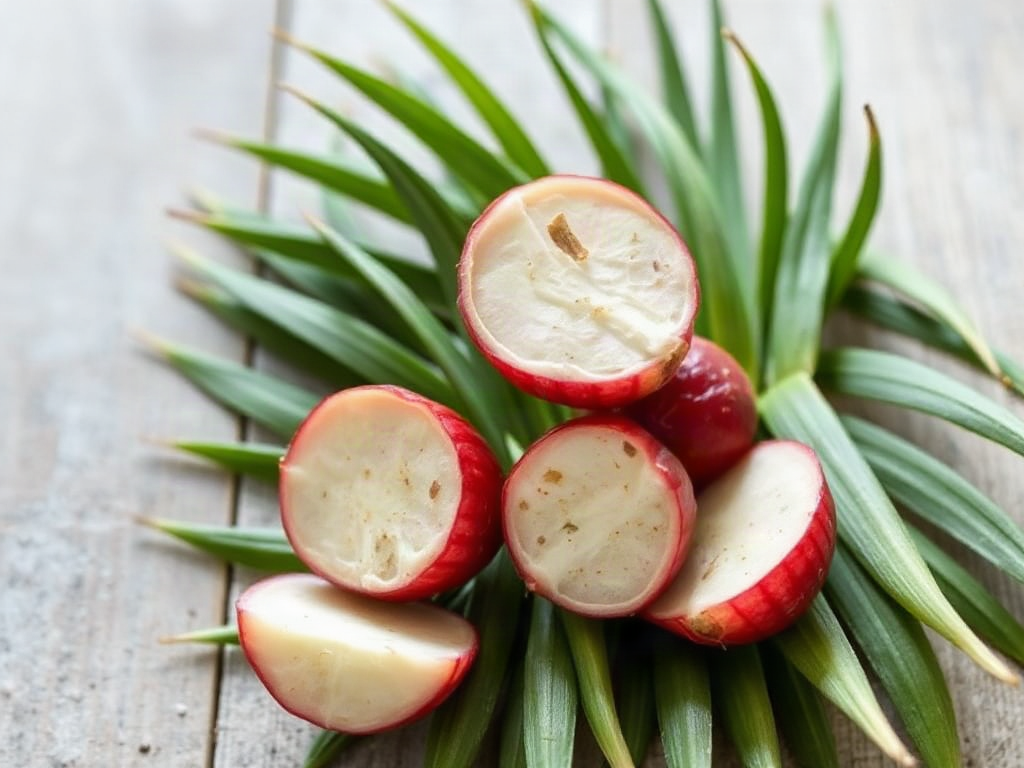
Hearts of palm nutrition and fiber content make this tender vegetable a low-calorie way to add texture, modest fiber, and small amounts of protein, potassium, copper, and folate to meals. Its fiber comes mainly from the plant’s structural cell walls, so it may contribute to fullness and digestive regularity without providing the concentrated fiber found in beans or bran. Canned hearts of palm can contain substantial sodium from the packing liquid, while fresh products may be harder to find and more costly. Rinsing canned pieces, checking the Nutrition Facts label, and pairing them with beans, vegetables, or whole grains creates a more complete meal.
What Hearts of Palm Provide Nutritionally
Hearts of palm are the tender inner shoots harvested from certain palm plants. Their mild flavor and firm, slightly crisp texture make them useful in salads, grain bowls, wraps, and chilled vegetable dishes. From a nutrition standpoint, they are primarily a water-rich vegetable rather than a concentrated source of protein, fat, or calories. That distinction matters when deciding how much nutritional work they can reasonably do in a meal.
Nutrition values vary by species, preparation, and serving size, so the package label is the most reliable source for a particular product. In general, hearts of palm provide some dietary fiber and small amounts of minerals such as potassium, copper, and manganese. They may also contribute folate and other micronutrients, although they should not be treated as a replacement for leafy greens, legumes, nuts, or fortified foods.
The practical advantage is volume and texture. A serving can make a salad feel more substantial without adding the energy density of cheese, creamy dressing, or processed meat. Sliced hearts of palm also resemble the texture of certain seafood products, which makes them useful in plant-forward dishes. Their nutritional limitation is equally clear: they do not supply much protein, essential fat, or iron compared with foods such as lentils, tofu, eggs, fish, or seeds.
A common mistake is calling hearts of palm a complete meal because they appear in a large salad. A bowl built mostly from hearts of palm and lettuce may be refreshing but still leave protein and energy needs unmet. Use them as a component, then add a substantial protein source and a dressing or topping that suits the meal’s overall nutrient balance. The internal discussion at Hearts of palm nutrition and fiber content can help place their numbers in context with other whole foods.
Fiber Content and Digestive Value
The fiber in hearts of palm is part of the plant’s structure. Dietary fiber is not fully broken down and absorbed like digestible carbohydrate; instead, different fiber components retain water, add bulk, or reach the colon where some may be fermented by gut microorganisms. Hearts of palm therefore offer a useful contribution to a meal’s fiber total, but their fiber density is usually more modest than that of beans, lentils, bran cereals, chia seeds, or many intact whole grains.
That comparison prevents an easy misunderstanding. Eating a large portion of hearts of palm does not automatically create a high-fiber diet. A person seeking more fiber for regularity may get more dependable results by combining a moderate serving with chickpeas, black beans, barley, berries, vegetables, or ground flaxseed. The combination also spreads fiber across several food types rather than relying on one vegetable.
Fiber tolerance differs among individuals. Someone accustomed to low-fiber meals may notice bloating after suddenly adding large amounts of plant foods, especially when hearts of palm are combined with beans, onions, or cruciferous vegetables. A gradual increase, adequate fluid intake, and attention to portion size are more sensible than assuming digestive discomfort means the food is harmful. Persistent pain, bleeding, unexplained weight change, or ongoing bowel changes deserve medical evaluation rather than dietary experimentation alone.
For practical use, read the serving size before estimating fiber. A jar may contain several servings, and a generous salad portion can exceed the label’s stated amount. Rinsing does not remove the fiber inside the vegetable, but it can reduce some surface salt. The main failure mode is expecting hearts of palm to deliver the same fiber impact as a legume-based dish; they are better viewed as a textural vegetable that strengthens an already varied eating pattern.
Fresh Versus Canned Hearts of Palm
Fresh and canned hearts of palm can both fit a balanced diet, but they differ in availability, convenience, texture, and sodium exposure. Fresh hearts of palm may have a more delicate flavor and a firmer texture, yet they are often less accessible and may cost more. Canned or jarred versions are shelf-stable and ready to slice, which makes them practical for quick meals.
The largest label issue is usually sodium rather than fiber. Salted packing liquid helps preserve flavor and stability, so two products with similar calories and fiber may differ considerably in sodium. Compare brands using the same serving size, and consider the product’s place in the entire meal. A salty heart-of-palm salad topped with olives, feta, pickled vegetables, and a packaged dressing can become much saltier than the vegetable itself suggests.
Rinsing and draining canned hearts of palm can improve the meal’s salt profile, although the amount removed varies and should not be assumed to eliminate sodium. A short rinse under running water followed by draining is a practical step. People following a sodium-restricted plan should still check the label and discuss individualized targets with a qualified clinician when appropriate.
Texture can also guide the choice. Canned pieces work well in chopped salads, ceviche-style preparations, sandwiches, and blended dips. Fresh pieces may be preferable when the vegetable is served simply with herbs and vinaigrette, where its texture is more noticeable. The common mistake is judging products only by front-label claims such as “natural” or “lightly seasoned.” The ingredient list, serving size, sodium line, and storage instructions provide more useful information than promotional language.
A sensible shopping checklist is compact:
- Compare sodium and fiber per labeled serving.
- Choose plain versions when the dish already contains salty ingredients.
- Drain and rinse when appropriate, then taste before adding salt.
- Discard any product with an abnormal odor, damaged seal, or questionable storage history.
Practical Ways to Build a Better Meal
Hearts of palm work best when they supply contrast rather than carry the entire meal. Their mild taste accepts acidic dressings, herbs, garlic, citrus, and toasted toppings. Their firm texture can make soft ingredients more satisfying, but the finished dish still needs a deliberate source of protein, fiber-rich carbohydrate, and—depending on the recipe—unsaturated fat.
For a balanced lunch, combine sliced hearts of palm with white beans or lentils, leafy greens, tomatoes, cucumber, and a lemon-olive-oil dressing. The legumes provide substantially more protein and fiber than the hearts of palm, while the vegetables add color and volume. A grain bowl can use brown rice, quinoa, or barley as the base, then add hearts of palm, roasted vegetables, tofu, and pumpkin seeds. These examples make the vegetable’s role clear: it improves variety and texture while other ingredients provide nutrient density.
They can also replace part of a higher-sodium or higher-fat ingredient in a familiar preparation. Chopped hearts of palm may add bulk to a sandwich filling or salad that would otherwise rely heavily on mayonnaise. That substitution can be useful, but the dressing still matters. Replacing one ingredient does not guarantee a lower-calorie or lower-sodium result if the recipe compensates with large amounts of salty sauces, cheese, or oil.
When using them as a seafood-style ingredient, avoid treating resemblance as nutritional equivalence. Hearts of palm do not supply the omega-3 fats, vitamin B12, or protein found in fish and shellfish. A plant-based dish can meet its goals by adding beans, tofu, tempeh, or another suitable protein, but it should not be described as nutritionally identical to seafood.
Signs that the approach is working include a meal that remains satisfying several hours later, contains more than one meaningful fiber source, and does not depend on heavy dressing for flavor. Signs that the plan needs adjustment include hunger soon after eating, excessive sodium from the combined ingredients, or digestive discomfort after an abrupt increase in fiber. The practical priority is not maximizing hearts of palm; it is using a reasonable portion within a varied plate. More ideas for comparing plant foods appear at Hearts of palm nutrition and fiber content.
Frequently Asked Questions
Are hearts of palm high in fiber?
They provide dietary fiber, but usually less per serving than beans, lentils, bran, chia, and many whole grains. Pairing them with those foods creates a higher-fiber meal.
Are hearts of palm a good source of protein?
No. They contain some protein but are better used with beans, tofu, tempeh, eggs, fish, or another protein-rich food.
Does rinsing canned hearts of palm reduce sodium?
Rinsing and draining may remove some salt from the packing liquid, but it does not guarantee a low-sodium serving. Check the label after comparing brands.
Can hearts of palm cause digestive discomfort?
Any increase in fiber may cause gas or bloating for some people, especially when combined with several other high-fiber foods. Increase portions gradually and seek medical advice for persistent or concerning symptoms.
What foods pair well with hearts of palm?
Beans, lentils, whole grains, leafy greens, tomatoes, citrus, avocado, herbs, and seeds pair well while supplying nutrients that hearts of palm provide in smaller amounts.
Conclusion
Hearts of palm are most useful as a low-energy, crisp vegetable that adds modest fiber and mineral variety to a meal. Their fiber content can contribute to a broader high-fiber pattern, but it should not be confused with the concentrated fiber found in legumes, seeds, bran, or whole grains. For canned products, sodium deserves as much attention as the nutrient panel’s fiber line; draining, rinsing, and comparing labels are simple ways to make a better choice. Build meals around the vegetable’s texture, then add a protein source and another substantial fiber food. That approach preserves the convenience of hearts of palm while avoiding the common mistake of expecting one ingredient to supply a complete nutritional profile.
Related Content
- 7 Superfoods to Boost Your Gut Health Naturally
- Why Some Superfoods May Not Fit Your Health Goals: Identifying Misalignments and Nutritional Pitfalls
- Steps to Take If Superfoods Cause Digestive Issues: Identifying Symptoms and Effective Remedies
- Hidden Costs of Whole Food Diets: Budgeting for Nutritional Choices and Lifestyle Changes
- How to Prevent Overconsumption of Superfoods: Practical Steps and Common Mistakes