
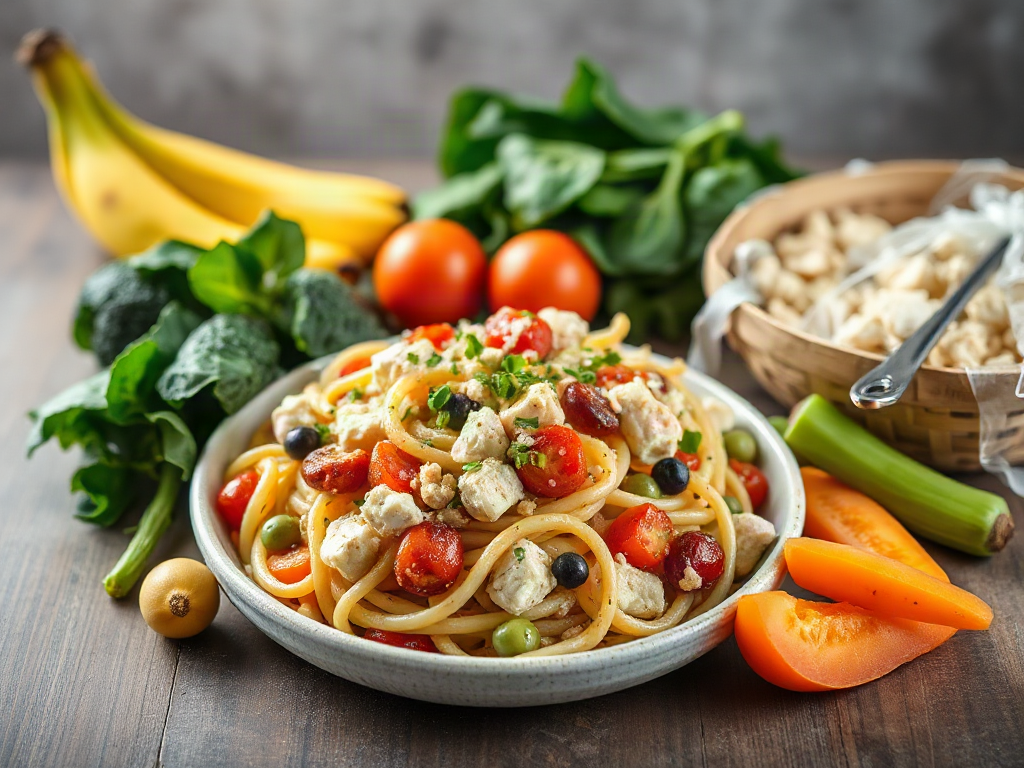
Follicular phase foods for cycle-based nutrition should provide steady energy through protein-rich whole foods, fiber-dense carbohydrates, colorful produce, and sources of iron, omega-3 fats, and calcium. As estrogen generally rises after menstruation, appetite and training tolerance may shift, but cycle-based eating is not a rigid prescription or substitute for adequate calories. Build meals around beans, lentils, eggs, fish, tofu, oats, potatoes, berries, leafy greens, and seeds, then adjust portions to hunger and activity. A common mistake is restricting food because the follicular phase is associated with lighter appetite; under-fueling can impair recovery and concentration. Track symptoms across several cycles before changing your eating pattern.
How the Follicular Phase Changes Nutrition Priorities
The follicular phase begins on the first day of menstruation and continues until ovulation. Its length varies, so a calendar-based assumption that every person has the same number of days can make nutrition advice less useful. Estrogen typically increases as a follicle develops, while the early days may still include menstrual bleeding, fatigue, cramps, or reduced appetite.
That combination creates two different practical needs within one phase. During menstruation, meals may need to emphasize fluids, iron-containing foods, easy-to-digest carbohydrates, and enough energy to compensate for discomfort or lower appetite. Later in the phase, some people notice better exercise tolerance or a stronger interest in fresh, lighter meals. Those observations can guide choices, but they do not establish a universal metabolic rule.
A useful starting point is to protect meal quality rather than chase a hormonal food list. Each main meal can include a protein source, a carbohydrate that supplies usable energy, vegetables or fruit, and a source of fat. For example, lentil soup with whole-grain bread and spinach meets a different need from a small salad eaten alone: it supplies protein, carbohydrate, iron, and greater staying power.
Readers looking for broader context can compare this approach with Follicular phase foods for cycle-based nutrition as a planning concept rather than a strict diet. The main failure mode is treating the phase label as more reliable than hunger, symptoms, training demands, or a clinician’s advice.
Whole Foods That Build a Reliable Follicular-Phase Plate
Follicular-phase meals work best when they combine nutrient density with enough total food. Iron deserves attention around menstruation, particularly for people with heavy bleeding or a history of low iron. Lentils, beans, tofu, pumpkin seeds, fortified cereals, eggs, and meat provide useful options; pairing plant sources with vitamin C foods such as peppers, citrus, kiwi, or tomatoes may improve the meal’s overall iron value. Iron supplements should not be started casually without appropriate medical guidance.
Protein supports tissue maintenance and recovery, but no single protein is required. Greek yogurt with oats and berries can suit breakfast, while salmon with potatoes and greens offers protein, carbohydrate, omega-3 fats, and several micronutrients at dinner. A vegetarian plate might use tofu, brown rice, broccoli, and sesame dressing. These examples are more practical than labeling one ingredient as a “cycle food,” because the combination determines whether the meal is filling and usable.
Fiber-rich carbohydrates are also valuable. Oats, barley, beans, potatoes, fruit, and whole-grain bread can support regular eating and provide fuel for movement. Raw vegetables and large amounts of legumes may worsen bloating for some people during menstruation; cooked vegetables, smaller portions, or gradual fiber increases may be more comfortable. Choosing a lower-fiber option temporarily is not a nutritional failure when digestion is unsettled.
Healthy fats add flavor and energy without requiring large meal volume. Avocado, walnuts, olive oil, tahini, chia seeds, and oily fish can fit well, although portions should reflect appetite and calorie needs. The common mistake is building an elaborate “detox” menu that removes grains, dairy, or legumes without a clear reason. Unless an intolerance or medical condition requires restriction, variety usually offers a more dependable nutrient pattern than unnecessary elimination.
Timing Meals Around Appetite, Exercise, and Recovery
Meal timing during the follicular phase should respond to the person’s schedule and appetite, not an assumed hormonal timetable. Someone experiencing cramps may tolerate a warm breakfast such as oatmeal with yogurt and banana better than a cold, high-volume smoothie. Someone returning to strength training after menstruation may need a substantial carbohydrate-and-protein meal before or after exercise.
A simple structure is three meals with optional snacks, adjusted for hunger. A pre-exercise snack could be toast with peanut butter, a banana with yogurt, or crackers with cheese. After training, a meal containing protein and carbohydrate can replenish energy and support recovery. The exact clock time matters less than avoiding long gaps that lead to dizziness, overeating, or poor training quality.
Appetite may feel lower for part of the phase, but that does not automatically mean calorie restriction is appropriate. A smaller meal can remain balanced: a bowl of yogurt, fruit, oats, and seeds is more useful than skipping food and compensating later with highly palatable snacks. Conversely, a person with demanding workouts may need larger portions even when social media advice describes the follicular phase as a naturally low-intake period.
Hydration can be handled through regular fluids and water-rich foods such as soups, fruit, yogurt, and vegetables. Excessive water intake or reliance on sweetened sports drinks is unnecessary for most routine activity. Signs that a plan needs adjustment include persistent fatigue, poor recovery, unusually strong cravings, declining concentration, or menstrual changes. These symptoms have multiple possible causes and should not be assigned to the cycle phase alone.
For a wider planning reference, use cycle-based nutrition meal ideas alongside personal observations. Timing is most useful when it solves a specific problem, such as preventing a long fasting gap before training, rather than becoming another rule to follow.
Common Cycle-Based Eating Mistakes and Better Adjustments
The most common mistake is assuming that the follicular phase requires a special menu. Hormonal changes may influence appetite, body temperature, digestion, and perceived effort, but food responses vary substantially. A person with stable energy on familiar meals does not need to replace them simply because a new phase has begun.
A second mistake is under-eating during menstruation because bloating or cramps reduce appetite. Low intake can make tiredness and irritability harder to interpret, especially when sleep is also disrupted. Smaller, more frequent meals can preserve energy without forcing a large plate. Rice with eggs, soup with beans, a baked potato with cottage cheese, or a smoothie with yogurt and oats may be easier than a raw salad.
Another weak assumption is that supplements are necessary for every cycle. Iron, magnesium, vitamin D, and herbal products have different indications, doses, and safety considerations. Food-first choices are reasonable for general nourishment, while persistent heavy bleeding, severe pain, faintness, or suspected deficiency calls for medical evaluation rather than self-prescribing.
Food quality can also become moralized. Packaged foods are not automatically incompatible with cycle-based nutrition. Fortified cereal may be a practical iron source, frozen vegetables can be as useful as fresh produce, and canned beans reduce preparation time. The better comparison is between a realistic meal that gets eaten and an idealized plan that creates stress or leaves the person hungry.
When a strategy fails, check the actual mismatch: insufficient carbohydrate before exercise, too little protein at breakfast, excessive raw fiber during cramps, or a schedule that leaves meals too far apart. Correcting one variable at a time makes it easier to see what improves comfort and energy.
A Practical Way to Personalize Your Food Pattern
Personalization begins with observation, not prediction. For two or three cycles, note the first day of bleeding, appetite, digestive comfort, sleep, exercise, pain, and meals that were easy to tolerate. The purpose is not to create a perfect hormonal calendar; it is to identify repeatable patterns that deserve a small dietary adjustment.
Use this short checklist when planning follicular-phase meals:
- Include a dependable protein source at meals, such as beans, eggs, fish, yogurt, tofu, poultry, or tempeh.
- Choose a carbohydrate portion that matches activity, using oats, fruit, rice, potatoes, pasta, or whole grains.
- Add iron-containing foods during and after menstruation, with vitamin C produce when practical.
- Adapt texture and fiber to digestion rather than forcing raw vegetables or large legumes portions.
- Review energy, recovery, bleeding, and symptoms before adding supplements or major restrictions.
Consider three scenarios. If appetite is low but exercise continues, choose smaller meals with concentrated nourishment, such as yogurt, granola, fruit, and nuts. If hunger rises later in the phase, increase portions or add a snack instead of interpreting hunger as a lack of discipline. If symptoms are severe or cycles change markedly, nutrition adjustments should accompany—not replace—professional assessment.
The approach is working when meals feel manageable, energy is steadier, recovery is acceptable, and digestion is not being pushed beyond tolerance. It is failing when rules produce anxiety, repeated hunger, worsening fatigue, or a shrinking range of foods. A flexible plan built from ordinary whole foods is generally easier to sustain than a phase-specific prescription with costly ingredients and rigid timing.
For another internal planning pathway, see follicular phase food choices and compare it with the observations in your own log. Cycle-based eating should sharpen awareness, not override individual evidence.
Frequently Asked Questions
What foods are best during the follicular phase?
Prioritize balanced meals containing protein, fiber-rich carbohydrates, colorful produce, and unsaturated fats. Lentils, eggs, tofu, fish, oats, potatoes, berries, leafy greens, yogurt, and seeds are practical examples.
Should I eat fewer calories during the follicular phase?
Not automatically. Appetite and energy needs vary, and restricting food can worsen fatigue or recovery. Adjust portions according to hunger, activity, symptoms, and overall health rather than the phase label alone.
How can I support iron intake around menstruation?
Use foods such as beans, lentils, tofu, fortified cereal, eggs, meat, and pumpkin seeds, and pair plant sources with vitamin C produce. Seek medical advice for heavy bleeding or suspected deficiency.
Are supplements required for cycle-based nutrition?
No. Supplements depend on documented needs, diet, medications, and health conditions. Food-first eating is suitable for general nourishment, while iron or other supplements should be discussed with a qualified clinician.
What if I feel bloated during the follicular phase?
Try cooked vegetables, moderate portions of beans, regular fluids, and smaller meals. Track whether symptoms repeat, and seek assessment for severe, persistent, or disruptive bloating.
Conclusion
Follicular-phase eating is most useful as a flexible way to notice changing appetite, digestion, energy, and exercise demands. Build meals from dependable whole foods, give iron-containing choices attention around menstruation, and match carbohydrate portions to activity rather than following a rigid phase menu. Warm, smaller meals may work better during cramps, while larger meals or snacks can become useful as training and appetite increase. Do not treat supplements, detoxes, or restrictive food rules as automatic requirements. Record a few cycles, change one variable at a time, and judge the plan by energy, recovery, comfort, and adequacy. Persistent pain, heavy bleeding, faintness, major fatigue, or marked cycle changes deserve professional evaluation rather than a more elaborate food protocol.
Related Content
- What Are The Health Benefits Of Superfood Nutrition?
- Authors & Editorial Profiles
- What to Do If My Body Reacts Poorly to Superfoods: Identifying Symptoms and Finding Solutions
- What to Do If Whole Food Sources Are Unavailable: Alternative Nutritional Strategies
- Steps to Take If Superfoods Trigger Headaches: Identifying Causes and Effective Remedies