
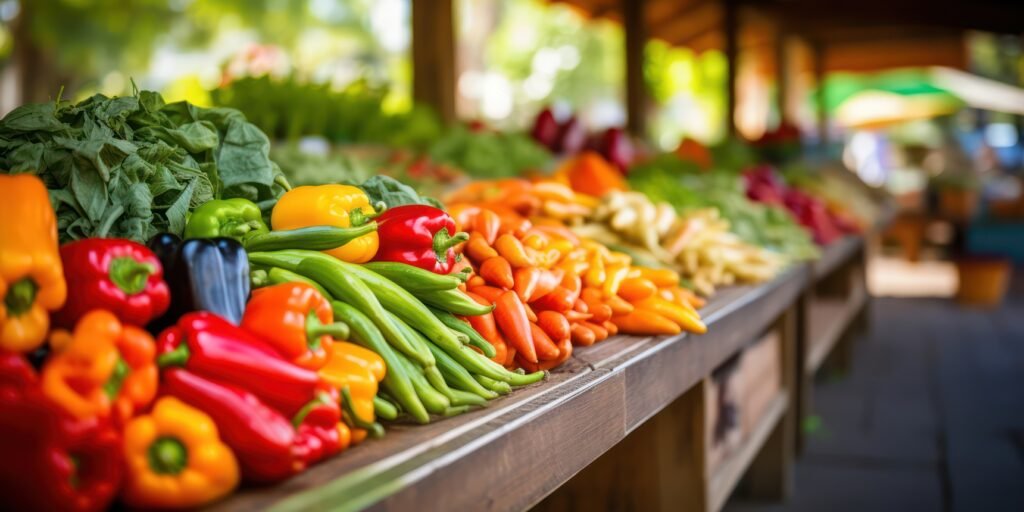
Whole food diet before and after changes usually shows the clearest differences when refined snacks, sugary drinks, and heavily processed meals are replaced with vegetables, fruit, legumes, whole grains, nuts, seeds, and minimally processed proteins. Early changes may include hunger shifts, altered bowel habits, or temporary bloating as fiber intake rises, while steadier energy and improved meal satisfaction may develop with consistent portions and adequate fluids. A gradual transition works better than changing every meal overnight, especially for people unaccustomed to beans or high-fiber produce. Track digestion, energy, sleep, and appetite for several weeks rather than judging the diet by a few days.
What Changes When Whole Foods Replace Processed Choices
A whole food diet changes the composition of meals rather than relying on a single “superfood” or strict menu. The usual shift is from packaged snacks, sweetened drinks, refined grains, and ready-to-eat meals toward vegetables, fruit, beans, lentils, potatoes, intact or minimally processed grains, nuts, seeds, eggs, fish, poultry, and other foods close to their original form. The practical difference comes from the combination of fiber, water, protein, and slower-digested carbohydrates that these foods often provide.
Before the change, a day might include a sweetened coffee, a low-fiber breakfast pastry, a deli sandwich, chips, and a frozen entrée. Afterward, the same pattern could become oats with fruit and nuts, a bean-and-grain bowl with vegetables, yogurt with seeds, and roasted fish or tofu with potatoes. The second pattern is not automatically lower in calories, and it is not necessarily better if portions are excessive or meals lack protein. Its advantage is that it gives the eater more control over satiety, ingredient quality, and nutrient variety.
Fiber is often the first noticeable mechanism. It adds bulk, slows eating, and is fermented by gut microbes, but a sudden increase may produce gas or abdominal discomfort. Replacing refined cereal with oats may be easy; replacing several daily snacks with large servings of beans, raw cabbage, and bran at once is more demanding. Fluids, gradual increases, and cooked produce can make the transition more comfortable.
A common mistake is treating “whole food” as a purity test. Frozen vegetables, canned beans, plain yogurt, canned fish, and pre-cut produce can all fit a practical pattern. Conversely, homemade food can still be unbalanced if it is mostly starch, lacks protein, or uses large amounts of added fats. Use the broader pattern as a decision tool, not as a reason to reject convenient foods that support consistency.
For a related way to organize the change, compare your current routine with the meal structure described in Whole food diet before and after changes. The useful comparison is not “perfect versus imperfect”; it is whether the new meals provide enough nourishment with fewer highly processed defaults.
A Realistic Before-and-After Timeline
The first several days often reveal logistical and digestive changes before any visible body change. People may notice that meals take longer to prepare, hunger arrives at different times, or bowel movements become more frequent as produce, legumes, and whole grains increase. Someone moving from a low-fiber pattern to a high-fiber one may feel bloated even though the underlying food choices are nutritious. This response usually signals that the pace or portion size needs adjustment, not that every fiber-rich food must be abandoned.
During the first one to two weeks, focus on repeatable substitutions. Replace one sweetened drink with water or unsweetened tea, add a vegetable to lunch, and use fruit or nuts in place of one packaged snack. Keep familiar foods that make the transition easier. A person who enjoys pasta might use whole-grain pasta with lentil sauce and vegetables rather than trying to eliminate pasta altogether. Gradual changes expose which foods cause discomfort and which meals keep appetite stable.
Over the following weeks, the main observable change may be improved meal predictability. A breakfast containing oats, milk or yogurt, fruit, and seeds may hold attention longer than a pastry, while a lunch with beans, brown rice, salsa, and avocado may reduce the urge to search for another snack soon afterward. These effects vary with sleep, activity, stress, medication, and total energy intake. They should not be presented as guaranteed outcomes.
Weight may move up, down, or not at all. Whole foods can be calorie-dense: olive oil, nuts, cheese, avocado, dried fruit, and large grain portions add energy quickly. Someone seeking weight loss may need portion awareness, while someone who is under-eating may need more substantial meals. The before-and-after timeline is therefore better judged through several signals rather than a promised number on the scale.
Track changes with a simple weekly note: digestion, afternoon energy, hunger between meals, sleep quality, food costs, and how easy the routine is to repeat. A pattern that looks excellent for four days but collapses on workdays needs operational changes. Batch-cooked grains, frozen vegetables, canned legumes, and a short list of dependable meals often matter more than finding an ideal recipe.
Building Balanced Meals Without Undereating
A successful whole food pattern includes enough protein, carbohydrate, fat, and overall energy to match the person’s needs. Removing packaged foods without replacing their calories can leave meals too small, particularly for active adults, adolescents, older adults with low appetite, or anyone with a history of restrictive dieting. Hunger, fatigue, irritability, and persistent thoughts about food may indicate that the plan needs more substance rather than more discipline.
Build meals around a clear anchor. Beans, lentils, tofu, eggs, fish, poultry, plain dairy, or another protein-rich food can form the center; vegetables or fruit add color and fiber; potatoes, oats, rice, corn, or whole-grain bread provide carbohydrate; nuts, seeds, olive oil, tahini, or avocado supply concentrated fats. The proportions do not need to be identical at every meal. Breakfast may be oatmeal with yogurt and walnuts, while dinner may be a vegetable-and-chickpea stew served with bread.
Protein deserves special attention when a person moves toward a mostly plant-based pattern. Rice and vegetables alone may feel filling initially but may not provide the same staying power as a meal that also includes beans, tofu, tempeh, lentils, or peas. Combining foods across the day is more useful than searching for a single perfect pairing. People with medical conditions affecting kidney function or other dietary restrictions should obtain individualized advice before making major protein or mineral changes.
Whole-food cooking also creates a tradeoff between nutrient density and convenience. A dry-bean meal may cost less but require soaking or cooking; canned beans save time but may contain added sodium. Rinsing canned beans can reduce some surface salt, though it does not make every product identical. Frozen vegetables may be more practical than fresh produce that spoils before use. The best choice is the one that preserves nutritional quality while remaining realistic for the household.
Use this compact planning check before changing the menu:
- Identify one dependable protein source for each main meal.
- Choose produce in forms you will actually use, including frozen or canned options.
- Keep a satisfying carbohydrate source instead of cutting grains or potatoes by default.
- Add a measured source of fat when meals feel thin or hunger returns quickly.
- Prepare one backup meal for busy days so convenience does not force a return to the old pattern.
The frequent failure mode is overcorrecting. A diet built only from salads, fruit, and lean protein may appear “clean” but can be difficult to sustain and inadequate in energy. Practical balance is a stronger marker of quality than restriction.
Common Problems and How to Adjust the Plan
Digestive discomfort is the most common early obstacle when fiber rises quickly. Large portions of beans, onions, cauliflower, wheat, or raw vegetables may be difficult for some people, particularly if the previous pattern contained little fiber. Begin with smaller portions, choose cooked vegetables, rinse canned legumes, and increase intake in stages. Persistent or severe pain, bleeding, vomiting, unexplained weight loss, or ongoing bowel changes warrant medical evaluation rather than continued self-experimentation.
Another problem is confusing thirst, fatigue, and insufficient meals with a need for more snacks. Whole foods often contain more water than packaged foods, but a diet based heavily on dry grains, nuts, and fiber supplements still requires attention to fluids. A lunch of greens and a small piece of fruit may leave someone hungry because it lacks enough carbohydrate or protein. Adding lentils, potatoes, eggs, tofu, or yogurt may solve the problem more effectively than adding another low-calorie snack.

Cost can also undermine the before-and-after plan. Specialty products, organic packaged items, imported ingredients, and meat substitutes may be expensive without being necessary. Oats, potatoes, brown rice, lentils, eggs, seasonal produce, frozen vegetables, and store-brand canned beans can form a lower-cost foundation. Buying larger quantities helps only when the food will be used; wasted fresh produce is not a financial or environmental improvement.
Social meals expose another misconception: a whole food diet does not require refusing restaurant food or family recipes. Choose a meal with a recognizable protein, vegetable, and starch when possible, eat slowly, and return to the usual routine at the next meal. Turning one celebration into a “cheat day” can reinforce an all-or-nothing cycle, while treating a single restaurant meal as a normal variation protects continuity.
When an approach fails, inspect the structure rather than blaming the ingredients. Ask whether the meals are too small, preparation takes too long, fiber increased too abruptly, or the menu lacks familiar flavors. The practical solution might be simpler seasoning, batch cooking, a different breakfast, or keeping one convenient whole-food option available at work. More rules rarely repair a plan that does not fit daily life.
How to Judge Progress Beyond the Scale
Progress after changing the diet should be assessed through function and consistency, not appearance alone. Useful observations include steadier hunger, fewer impulsive food decisions, more regular bowel habits, improved meal satisfaction, and a routine that survives weekends and busy workdays. These outcomes are influenced by sleep, movement, stress, and health conditions, so they cannot be assigned to food with certainty from a short personal trial.
Compare like with like. Record a typical weekday before the change and a typical weekday afterward, noting meal timing, ingredients, portions, drinks, snacks, and how you felt two or three hours later. A breakfast that looks healthier on paper may still fail if it leaves you hungry before lunch. A bean-based dinner may work well when cooked in advance but become impractical if it requires an hour of preparation every evening.
Physical changes also need cautious interpretation. Weight fluctuations can reflect fluid, bowel contents, menstrual-cycle changes, sodium intake, or normal variation. Clothing fit and body measurements may change differently from scale readings, while energy and digestion may improve without visible change. No single signal proves that a diet is appropriate.
Use a four-week review to decide what stays:
- Keep meals that are satisfying, affordable, and easy to repeat.
- Modify foods that repeatedly cause discomfort by reducing portions or changing preparation.
- Restore missing energy if fatigue, poor concentration, or constant hunger appears.
- Seek professional guidance for diabetes, kidney disease, gastrointestinal disorders, pregnancy, eating-disorder history, or prescribed diets.
The most meaningful after-change result is a flexible eating pattern that provides adequate nourishment without demanding perfection. Readers looking for additional meal comparisons can use this whole-food meal reference alongside their own food log, then adapt it to appetite, budget, culture, and schedule.
Frequently Asked Questions
What changes first on a whole food diet?
Digestive patterns, hunger timing, meal preparation, and energy between meals may change before weight or appearance. Fiber increases should be gradual.
Can a whole food diet include frozen and canned products?
Yes. Frozen vegetables, canned beans, plain canned fish, and unsweetened frozen fruit can make the pattern affordable and easier to maintain.
Why might I feel bloated after switching to whole foods?
A rapid increase in beans, whole grains, or raw produce can increase fermentation and intestinal bulk. Smaller portions, cooked foods, and a slower progression may help.
Will a whole food diet automatically cause weight loss?
No. Nuts, oils, avocado, grains, and dried fruit are nutritious but calorie-dense. Weight change depends on total intake, activity, health, and individual circumstances.
How long should I test the changes?
Several weeks gives more useful information than a few days, provided the plan is nutritionally adequate. Track digestion, hunger, energy, affordability, and consistency.
Conclusion
A before-and-after comparison is most useful when it shows how meals, digestion, appetite, energy, cost, and convenience change together. Replace highly processed defaults gradually, preserve adequate protein and carbohydrate, and use frozen or canned whole-food options when they make consistency easier. Expect early digestive adjustments rather than instant transformation, and investigate persistent symptoms instead of assuming they are part of “detox.” Review the pattern after several weeks using real-life measures: satisfying meals, manageable preparation, regular eating, and a routine that works beyond ideal weekdays. A flexible whole food diet does not need perfect ingredients or rigid rules; it needs enough variety and structure to support the person actually eating it.
Related Content
- How Do Organic Superfoods Compare To Regular Superfoods?
- How to Identify If a Superfood Is Sustainable: Key Criteria and Practical Assessment Methods
- Why Some Superfoods May Not Fit Your Health Goals: Identifying Misalignments and Nutritional Pitfalls
- How to Evaluate the Effectiveness of Superfood Diets: Key Metrics and Practical Steps
- Bok Choy Nutrition, Vitamins, And Minerals For Smarter Meal Planning