
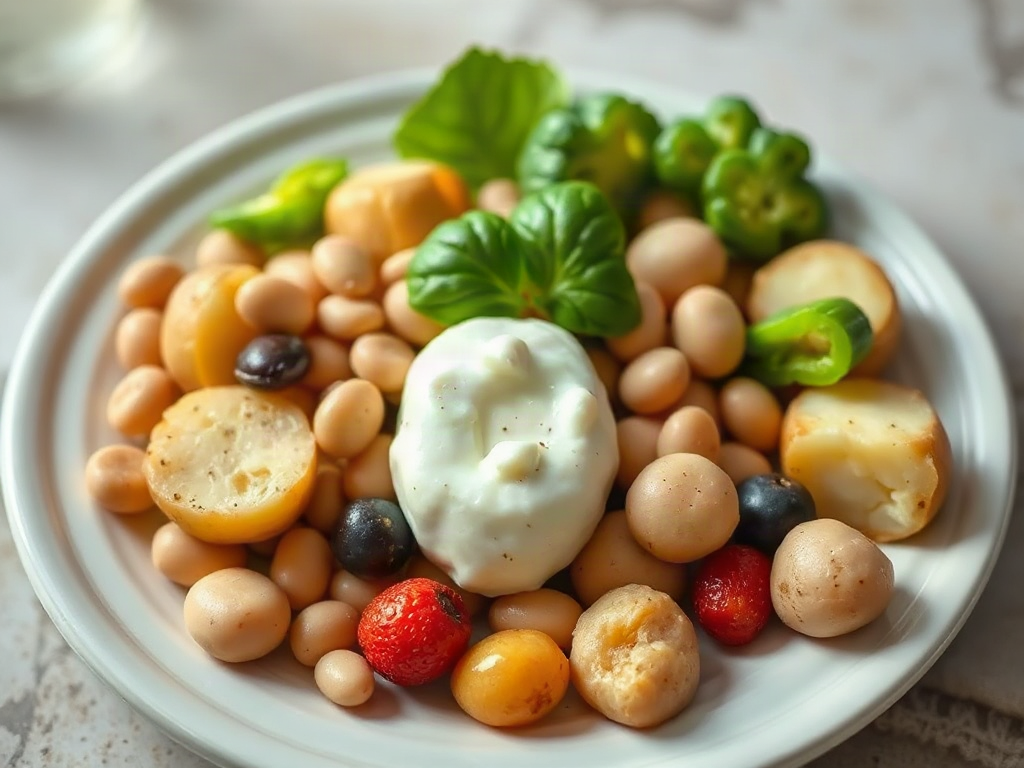
High-volume low-calorie foods for lasting fullness work best when they combine water-rich produce, fiber, and a dependable source of protein rather than relying on vegetables alone. Potatoes, beans, lentils, berries, apples, leafy greens, soups, yogurt, eggs, and lean proteins can create larger portions that digest more slowly and reduce the urge to snack soon afterward. Pairing a high-volume carbohydrate or vegetable with protein and a modest amount of fat is usually more satisfying than eating a very large salad by itself. Watch for common traps such as calorie-dense dressings, liquid calories, and low-protein meals, which can make a plate look substantial without sustaining appetite control.
What Makes a Low-Calorie Food Filling?
Satiety depends on more than the number of calories in a serving. Foods with high water content take up physical space in the stomach, while fiber can slow eating, add bulk, and support a steadier digestive process. Protein often has a stronger effect on meal satisfaction than an equal calorie amount from refined carbohydrates, and a small amount of fat can make a meal more enjoyable and slower to leave the stomach. The most reliable approach combines these features instead of expecting one ingredient to control hunger on its own.
A bowl of leafy greens illustrates both the value and the limitation of volume. Several cups may provide a generous-looking portion, but greens alone contain little protein and may not provide enough energy for a complete meal. Add beans, grilled chicken, tofu, eggs, or lentils, then include a measured dressing or avocado, and the same bowl becomes more substantial. The goal is not simply to eat the largest possible amount; it is to create a meal that provides physical volume alongside nutrients that extend satisfaction.
Food texture and eating speed matter as well. Whole fruit generally takes longer to eat than juice, and intact grains or potatoes usually require more chewing than a sweetened beverage. Those differences do not make one option universally good or bad, but they affect how quickly a person consumes calories and whether the meal feels finished. A useful test is whether hunger returns soon after eating, whether the meal was consumed quickly, and whether the next craving is for protein, something sweet, or simply more food.
Readers looking for High-volume low-calorie foods for lasting fullness should prioritize a meal pattern over isolated “free foods.” A large portion of nonstarchy vegetables may be an excellent base, but adding protein and a satisfying carbohydrate often works better than increasing vegetables indefinitely. People with digestive conditions, food allergies, diabetes, or medically prescribed diets may need individualized adjustments rather than a blanket high-fiber approach.
The Most Useful High-Volume Choices
Water-rich vegetables are the easiest way to increase plate volume without adding many calories. Lettuce, cucumbers, tomatoes, zucchini, mushrooms, cabbage, peppers, broccoli, cauliflower, and green beans can be roasted, steamed, stir-fried, or served raw. Cooking changes texture and sometimes reduces volume, so a large raw salad and a generous pan of roasted vegetables are not identical choices. Roasting may concentrate flavor and improve enjoyment, but oil should be measured because a small pour can add more calories than expected.
Whole fruit offers a stronger combination of water, fiber, sweetness, and convenience. Apples, oranges, melon, peaches, strawberries, raspberries, and grapes can help replace snack foods that are easy to overeat. A piece of fruit is often more filling than juice because chewing and the intact structure slow consumption. Berries stirred into plain yogurt provide volume and protein, while an apple with a modest serving of peanut butter offers a more calorie-dense but potentially longer-lasting snack.
Potatoes deserve careful attention because their reputation often depends on preparation. A plain baked or boiled potato can be highly satisfying relative to its calorie content, especially when paired with beans, cottage cheese, Greek yogurt, eggs, or vegetables. French fries and heavily buttered potatoes are different applications because added fat changes the calorie density substantially. This comparison shows why the ingredient alone does not determine whether a meal supports fullness; preparation and pairing matter.
Beans, lentils, peas, and chickpeas provide fiber and plant protein, although they are not as low in calories as watery vegetables. They are valuable when a meal needs staying power rather than maximum volume. A lentil-and-vegetable soup, bean chili with cabbage, or chickpeas over a salad can be more satisfying than a very large portion of raw produce. Canned versions are convenient; rinsing them can reduce some surface sodium, while checking the label helps distinguish plain legumes from versions packed with sauces or added fats.
Protein-rich options such as eggs, plain yogurt, cottage cheese, tofu, tempeh, fish, poultry, and lean meats can anchor a meal. No single protein is mandatory, and plant-based combinations can work well. Choose based on appetite, budget, cooking time, and dietary needs. An elaborate low-calorie recipe is not more useful than a simple bowl of yogurt, fruit, and oats if the complicated option is rarely prepared.
How to Build Meals That Last
A lasting meal usually has four parts: a high-volume produce base, a protein source, a high-fiber carbohydrate when useful, and enough flavor or fat to make the plate satisfying. This structure is more dependable than trying to minimize every calorie. For example, a dinner of roasted broccoli, a baked potato, and baked fish has distinct textures and a clear protein component. A vegetarian version could use lentils or tofu in place of fish. The portions should reflect personal hunger, activity, health needs, and the rest of the day rather than a rigid formula.
Breakfast can use the same logic. Plain Greek yogurt with berries and oats gives volume from fruit, protein from yogurt, and a slower-digesting carbohydrate from oats. Eggs with sautéed vegetables and whole-grain toast offer a savory alternative. A smoothie may include fruit and yogurt, but drinking it quickly can make it less satisfying than eating the ingredients with a spoon. For people who prefer smoothies, adding fiber-rich ingredients and slowing the pace may help, but liquid calories should not automatically be treated as equivalent to a solid meal.
Lunch is where many fullness plans fail because they rely on a large salad with too little substance. A more durable version might combine greens, chopped vegetables, lentils or chicken, a small portion of whole grains, and a measured vinaigrette. Soup can also work well, especially when it contains beans, vegetables, and a protein source rather than mostly broth. Pairing soup with a protein-rich side may be more useful than simply increasing the bowl size.
A simple planning sequence keeps meals practical:
- Choose the protein first if hunger tends to return quickly.
- Add two or more types of produce for volume, texture, and variety.
- Include beans, potatoes, oats, brown rice, or another fiber-rich carbohydrate when the meal needs more staying power.
- Measure calorie-dense additions such as oils, nuts, cheese, dressings, and creamy sauces.
The signs of a good arrangement are practical: eating slows naturally, the meal feels complete, and hunger returns gradually rather than urgently. If a person is hungry again within an hour, the answer may be more protein, a larger carbohydrate portion, or a more substantial total meal—not another bowl of low-calorie vegetables. Conversely, persistent heaviness or digestive discomfort may signal that fiber was increased too quickly or that the chosen portion is larger than comfortable.
Use high-volume low-calorie foods for lasting fullness as building blocks, not as permission to ignore energy needs. Someone with high activity demands may need more concentrated foods, while someone managing a condition affecting blood sugar or digestion may need specific carbohydrate and fiber guidance from a qualified clinician.
Common Mistakes and Practical Adjustments
The most common mistake is confusing visual size with nutritional completeness. A large bowl can still leave a person unsatisfied when it contains mostly lettuce, low-protein toppings, and a light dressing. The correction is usually straightforward: add a clear protein source and assess whether a potato, beans, oats, or another carbohydrate would make the meal more durable. Increasing volume without addressing the missing nutrient can create frustration and repeated snacking.
Another problem is underestimating calorie-dense extras. Oil, tahini, nuts, seeds, cheese, avocado, granola, and creamy sauces can all fit in a balanced diet, but they contribute more energy in small amounts than vegetables or fruit. Removing them completely may make meals bland and short-lived; adding them freely may erase the intended calorie difference. Measuring a serving for a week can reveal whether the issue is appetite, recipe design, or an unrecognized portion increase.
Some people also increase fiber too aggressively. A sudden shift from refined foods to large servings of beans, bran, raw cabbage, and lentils may cause gas, cramping, or uncomfortable fullness. Gradual increases, adequate fluids, and varied sources are often easier to tolerate. Cooking vegetables and choosing smaller portions of legumes at first may help. Severe or persistent digestive symptoms warrant medical advice rather than continued experimentation.
Snacks deserve the same scrutiny as meals. Air-popped popcorn, fruit, vegetables with yogurt-based dip, or broth-based soup can provide volume, but a snack with protein may be a better choice when the next meal is several hours away. A person who repeatedly reaches for sweets after a very small snack may need a more complete option, such as yogurt with fruit or an egg with toast, rather than stricter food rules.
A practical review can be done over several days. Record what was eaten, how quickly hunger returned, and whether the meal was enjoyable enough to repeat. If hunger is immediate, inspect protein and total meal size. If fullness is uncomfortable, inspect fiber quantity and cooking method. If calories are higher than intended, inspect oils, drinks, sauces, and grazing between meals. This approach is more informative than labeling a single ingredient as “fattening” or assuming that every low-calorie item is automatically satisfying.
For more meal-building ideas, use the related resource High-volume low-calorie foods for lasting fullness as a starting point, then adapt the combinations to personal preferences and health requirements.
For evidence-based nutrition information, compare serving details and dietary guidance from government health agencies, registered dietitians, university extension programs, and recognized medical organizations. These sources are more useful than lists that rank foods without explaining preparation, portion size, protein content, or individual tolerance.
Frequently Asked Questions
What is the most filling low-calorie food?
No single food works for everyone, but potatoes, beans, lentils, fruit, vegetables, plain yogurt, and lean proteins are strong options when prepared simply and combined into a complete meal.
Can a large salad keep me full?
It can, but a salad made mostly of greens may not last. Add protein, a fiber-rich carbohydrate, and a measured amount of dressing or another satisfying fat.
Are potatoes suitable for a low-calorie eating pattern?
Plain boiled or baked potatoes can fit well because they provide substantial physical volume. Fried preparations and heavy toppings raise calorie density, so the preparation matters.
How can I increase fullness without overeating fiber?
Increase fiber gradually, vary its sources, cook vegetables when needed, and include protein and adequate fluids. Persistent digestive symptoms should be discussed with a clinician.
Are smoothies as filling as whole fruit?
Not always. Smoothies are consumed quickly and may be less satisfying than chewing whole fruit, especially when they contain mostly juice. Adding yogurt or another protein source may make them more substantial.
Conclusion
Lasting fullness comes from combining volume with substance. Use vegetables, fruit, soups, and other water-rich ingredients to make meals physically satisfying, then add protein and a suitable high-fiber carbohydrate so hunger does not return immediately. Potatoes, beans, lentils, oats, yogurt, eggs, tofu, fish, and poultry can all fit, depending on dietary preferences and health needs. Keep an eye on oils, sauces, drinks, and snack portions because small additions can change the calorie density of an otherwise light meal. Increase fiber at a manageable pace and judge the plan by real signals: comfortable fullness, gradual hunger, steady energy, and meals you can prepare repeatedly. The best next step is to adjust one familiar meal using this structure rather than attempting an extreme overhaul.
Related Content
- Coconut Water Nutrition for Hydration Decisions—Electrolytes, Sugar, and When It Fits
- Whole Food Diet Before and After Changes: A Practical Timeline for Meals, Digestion, and Energy
- Steps to Take If Superfoods Are Not Improving Your Energy Levels: Identifying Causes and Adjustments
- How to Identify Low-Quality Whole Food Products: Key Characteristics and Red Flags
- Issues With Popular Superfood Diets: Common Mistakes and Nutritional Pitfalls