
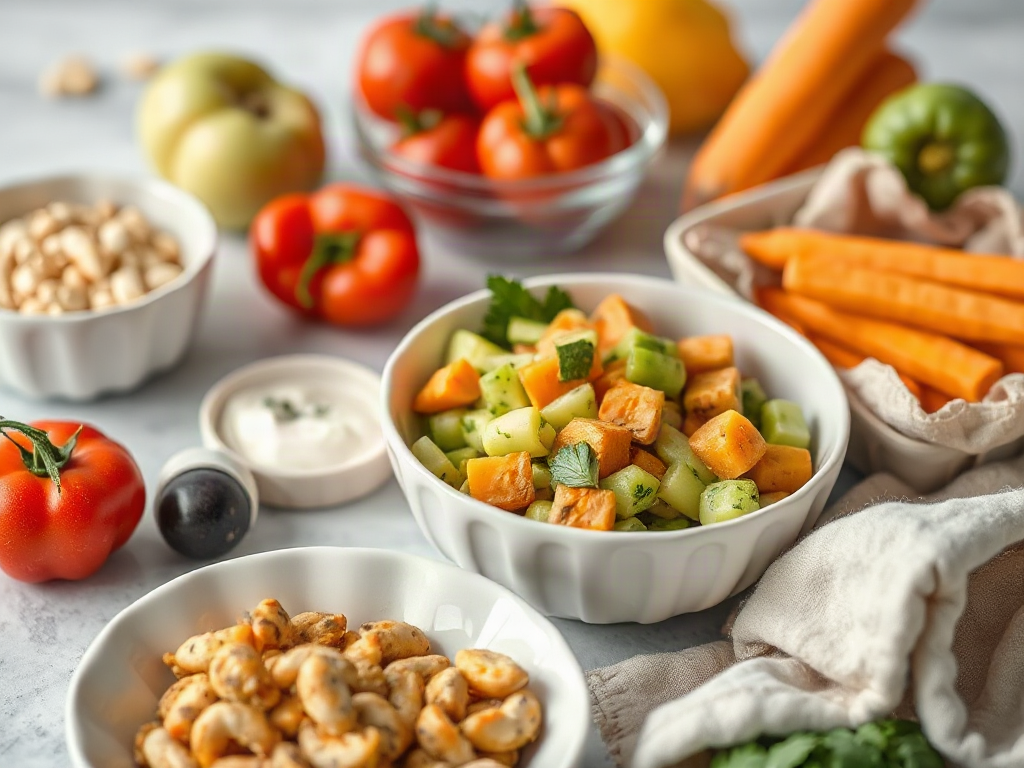
What Makes a Food Useful in an Anti-Inflammatory Pattern
An anti-inflammatory eating pattern is defined by its overall combination of foods, not by a single “superfood.” Meals built mostly from vegetables, fruit, legumes, whole grains, nuts, seeds, fish, and unsaturated oils provide fiber, minerals, polyphenols, and beneficial fatty acids. Those components may support gut function, cardiovascular health, blood sugar regulation, and a balanced immune response. The practical question is not whether one ingredient eliminates inflammation; it is whether the weekly pattern consistently replaces less nourishing options.
Food preparation changes the usefulness of an ingredient. A bowl of oats with blueberries, walnuts, and plain yogurt has a different nutritional profile from a sweetened instant oat product eaten alone. Both may contain oats, but the first adds fiber, protein, unsaturated fat, and fruit without relying heavily on added sugar. Likewise, canned beans rinsed and added to a tomato-and-spinach stew can be a highly practical choice even when dried beans are not realistic for the household.
Several mechanisms may explain why this pattern is associated with better health outcomes. Fiber is fermented by gut microbes into compounds that interact with the intestinal environment, while plant pigments such as anthocyanins and carotenoids contribute antioxidant activity. Omega-3 fats from foods such as salmon, sardines, and trout are involved in signaling pathways related to immune regulation. These effects should not be presented as treatment, and evidence varies by food, condition, and overall diet.
The common mistake is to judge meals by isolated ingredients. Extra-virgin olive oil does not turn a heavily refined meal into a balanced one, and turmeric does not compensate for a diet dominated by sugary drinks and processed meats. Use the anti-inflammatory foods for everyday meal planning approach as a pattern-building tool: improve the base of the plate first, then add flavorful ingredients that make the pattern easy to repeat.
The Foods Worth Keeping on a Weekly Shopping List
Produce should supply variety across colors and forms. Leafy greens, broccoli, cabbage, peppers, tomatoes, onions, mushrooms, berries, oranges, and apples each contribute different fibers and plant compounds. Fresh produce is useful, but frozen vegetables and unsweetened frozen berries often make planning more dependable because they last longer and require little preparation. A shopper with a limited budget may gain more from a bag of frozen spinach, carrots, lentils, and seasonal fruit than from a small selection of expensive specialty powders.
Legumes and whole grains make meals more filling and easier to assemble. Lentils, chickpeas, black beans, and kidney beans provide fiber and plant protein, while oats, barley, brown rice, quinoa, and whole-grain bread provide carbohydrates in a less refined form. They also create useful substitutes: lentils can replace some ground meat in a pasta sauce, and beans can extend a chili without making it feel like a restricted dish. People who increase beans quickly may notice gas or bloating, so gradual portions, rinsing canned beans, and adequate fluid intake may improve tolerance.
Nuts, seeds, avocado, and olive or canola oil provide mostly unsaturated fats. Walnuts and ground flaxseed can be stirred into oatmeal; pumpkin seeds can add texture to soup; olive oil can carry the flavor of garlic, herbs, and lemon across roasted vegetables. These foods are energy-dense, so a spoonful of seeds or a small handful of nuts may be more practical than treating them as unlimited snack foods. The goal is to replace less useful fats where possible, not to add large amounts without regard to the rest of the meal.
Fish deserves a place in the rotation when it fits personal preferences, budget, and dietary needs. Salmon, sardines, trout, and other oily fish supply omega-3 fats, while eggs, poultry, tofu, and unsweetened dairy can contribute protein in different ways. If fish is not acceptable, walnuts, chia, and flax provide alpha-linolenic acid, although the body handles these fats differently from the long-chain omega-3 fats found in fish. The meal-planning list should therefore include several protein options rather than presenting one food as mandatory.
Packaged foods require a more careful comparison than a simple “processed versus unprocessed” rule. Canned tomatoes, frozen vegetables, plain yogurt, and low-sodium beans can support a strong routine. Sweetened cereals, processed meats, highly salted convenience meals, and sugar-sweetened drinks may displace fiber-rich foods and increase the diet’s load of sodium, refined carbohydrates, or added sugar. Read the ingredient list and nutrition facts panel, but judge the item by how it fits the whole meal.
How to Build Balanced Meals Without Extra Complexity
A reliable plate structure is more useful than a long list of approved ingredients. Begin with a generous portion of vegetables or fruit, add a protein source, include a high-fiber carbohydrate when wanted, and finish with a modest amount of unsaturated fat or a flavorful sauce. This framework works for a cooked dinner, a packed lunch, or a quick breakfast because it focuses on roles rather than rigid recipes.
For breakfast, try oats with berries, ground flaxseed, and plain yogurt, or whole-grain toast with avocado and an egg alongside fruit. The combination is more sustaining than fruit juice and a sweet pastry because it pairs carbohydrate with fiber, protein, and fat. At lunch, a lentil salad with greens, tomatoes, cucumber, olive oil, and whole-grain bread can be prepared ahead. At dinner, roasted vegetables with salmon and barley gives the same pattern in a warm meal. The ingredients can change without abandoning the structure.
Batch cooking works best when components are prepared separately. Cook one grain, roast two vegetables, wash greens, and prepare a bean-based or yogurt-based sauce. During the week, combine them differently so leftovers do not feel repetitive. For example, roasted peppers and chickpeas can become a grain bowl one day and a filling for a whole-grain wrap the next. Store cooked foods safely and use frozen or shelf-stable ingredients when a busy schedule makes elaborate cooking unlikely.
A useful planning sequence is compact:
- Choose two or three vegetables and two fruits for the week.
- Select two protein anchors, such as beans and fish, tofu and eggs, or poultry and lentils.
- Pick one or two whole grains that can serve several meals.
- Keep a flavor set, such as lemon, garlic, herbs, vinegar, or unsalted spices.
The failure mode is overengineering. A plan with ten specialty ingredients may look nutritionally impressive but collapse when work, family care, or a tight budget intervenes. A simpler rotation that someone can repeat is generally more useful than an idealized menu that depends on daily cooking. If a meal leaves you hungry soon afterward, adjust its protein, fiber, or portion rather than concluding that the entire approach does not work.
Common Planning Mistakes and Practical Fixes
The first mistake is treating anti-inflammatory eating as a supplement strategy. Powders, concentrated extracts, and “detox” products can be expensive, vary in quality, and may interact with medicines or health conditions. Whole foods offer a broader package of fiber, protein, vitamins, minerals, and water. Use herbs and spices for flavor, but do not assume a capsule or large dose of one compound has the same role as a varied diet.

The second mistake is ignoring what gets removed. A person may add berries and chia to breakfast while still drinking sugary beverages, eating processed meat most days, and relying on refined snack foods between meals. Replacing one routine item is often more effective than adding another item to an already excessive pattern. Try swapping a sweetened drink for water or unsweetened tea, replacing processed meat with beans or fish, or choosing fruit and nuts instead of a packaged dessert.
Another problem is making the plan too restrictive. Nightshades, gluten, dairy, or specific grains are sometimes removed without a clear reason, even though individual tolerance varies and broad elimination can reduce variety. If a food repeatedly causes symptoms, keep a simple record of the food, portion, timing, and symptoms and discuss persistent concerns with a qualified clinician or registered dietitian. A general anti-inflammatory pattern is not a diagnostic diet.
Budget and convenience also matter. Fresh salmon every week may not be realistic, while canned sardines, frozen fish, beans, lentils, eggs, and tofu can provide more affordable alternatives. Low-sodium canned products may cost more, but rinsing standard canned beans can reduce some surface salt. A plan is failing when ingredients routinely spoil, cooking feels unmanageable, or meals leave no acceptable option for busy days. Add a dependable fallback, such as frozen vegetables with canned beans and brown rice, rather than relying on willpower.
People with diabetes, kidney disease, food allergies, gastrointestinal disorders, or prescribed dietary restrictions need individualized advice. More legumes, potassium-rich produce, or higher fiber may not suit every medical situation without adjustment. Anti-inflammatory foods can contribute to a health-supporting pattern, but they do not replace medical evaluation or treatment for pain, swelling, autoimmune disease, or other symptoms.
A Flexible Weekly System for Real-Life Eating
A useful weekly system begins with three anchor meals, not seven completely different menus. Choose one breakfast, one lunch, and two or three dinners that share ingredients. For example, oats and berries can cover several breakfasts; cooked lentils can serve lunch and dinner; greens can be used in salads, soups, and omelets. Reusing ingredients lowers waste and reduces the number of decisions required during the week.
Plan for a “minimum version” of each meal. The full dinner might be roasted vegetables, trout, and barley. The minimum version could be frozen vegetables, canned beans, and whole-grain toast. Neither choice needs to be perfect; the second prevents a missed cooking session from becoming a week of takeout. Keep shelf-stable beans, oats, canned tomatoes, frozen vegetables, nuts, and whole grains available for this purpose.
Review the plan after several days using observable signs. Meals are working when produce is eaten before it spoils, hunger is manageable between meals, preparation fits the schedule, and the household accepts the flavors. Adjust when the plan creates excessive leftovers, depends on foods nobody enjoys, or causes discomfort. A practical review might lead to smaller batches, more cooked vegetables instead of raw salads, or a different bean preparation.
Use the everyday planning framework as a set of priorities rather than a pass-fail test. First secure vegetables, fruit, fiber-rich carbohydrates, and a reasonable protein source. Next improve fats and flavor. To wrap up, examine packaged foods and portions in context. That order protects the essentials when time or money is limited and avoids turning nutrition into a search for a perfect menu.
Frequently Asked Questions
What are the best anti-inflammatory foods to keep at home?
Keep a mix of leafy greens, frozen berries, beans, lentils, oats, whole grains, nuts, seeds, olive oil, and fish or another protein source. A varied supply is more useful than relying on one featured ingredient.
Can frozen and canned foods fit an anti-inflammatory meal plan?
Yes. Frozen vegetables and fruit retain practical nutritional value, while canned beans, tomatoes, and fish can make meals faster. Compare sodium and added sugar, and rinse canned beans when appropriate.
Do I need to avoid all processed foods?
No. Processing includes useful forms such as freezing, cooking, fermenting, and canning. Focus on how often a product displaces whole or minimally processed foods and check added sugar, sodium, refined carbohydrates, and processed meats.
Are spices or supplements required?
No. Spices can improve flavor and help meals feel varied, but supplements are not required for a generally balanced pattern. Concentrated products may have safety or interaction concerns and should not be treated as medical therapy.
How quickly will an anti-inflammatory eating pattern work?
There is no universal timeline or guaranteed outcome. Judge the pattern by practical markers such as meal quality, digestion, energy, hunger, and adherence, while seeking medical advice for persistent pain, swelling, or other symptoms.
Conclusion
Effective anti-inflammatory meal planning is built on repeatable combinations: vegetables or fruit, a fiber-rich carbohydrate, a satisfying protein, and mostly unsaturated fat. Use fresh, frozen, canned, and shelf-stable ingredients according to your schedule and budget rather than treating convenience as failure. Prioritize replacements that matter most, such as beans instead of processed meat, water instead of sugary drinks, and whole grains or potatoes instead of highly refined snacks. Keep portions and personal tolerance in view, especially when a medical condition requires dietary modification. Choose a few breakfasts, lunches, and dinners that share ingredients, prepare a fallback meal for busy days, and review what is actually eaten. The pattern should make balanced choices easier, not create a rigid list of foods that must never be touched.
Related Content
- Oyster Nutrition, Zinc, And Serving Safety: Raw Versus Cooked Choices
- Practical Adjustments When Superfoods Don’t Match Your Taste: Creative Solutions and Flavor Enhancements
- How to Know If a Superfood Is Right for You: Key Factors and Practical Evaluation Steps
- Why Some Superfoods Fail to Deliver Expected Results: Common Misconceptions and Real-World Constraints
- How Do Different Superfoods Compare In Nutritional Value?