
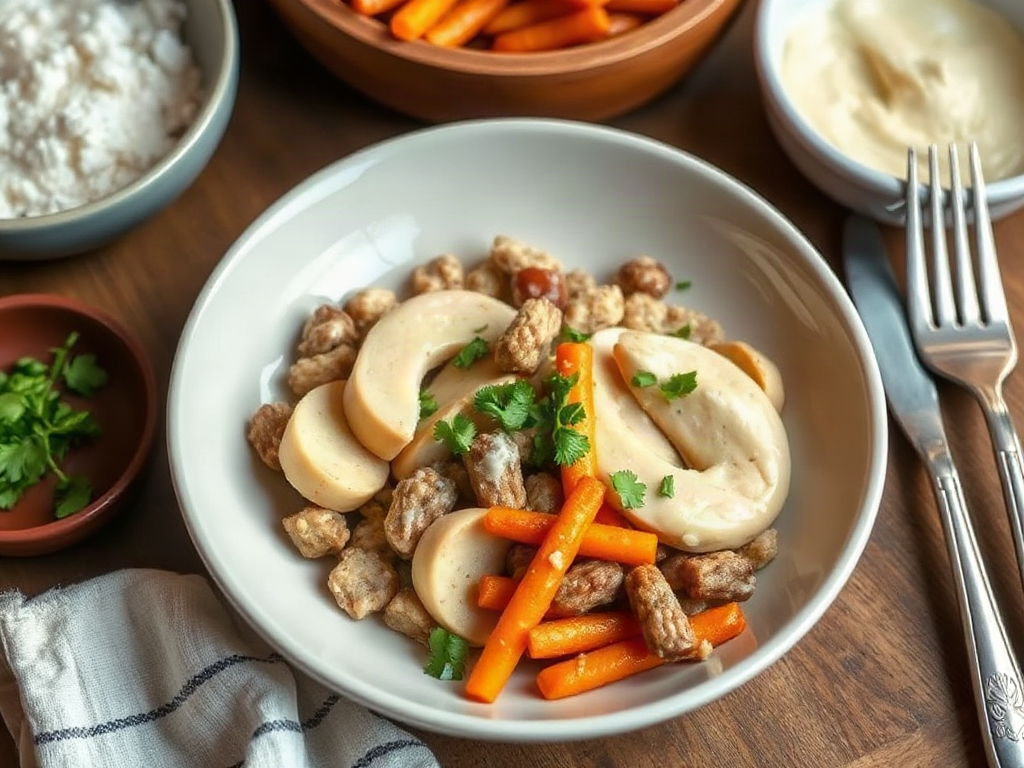
What Makes a Low-Calorie Protein Choice Satisfying
A satisfying low-calorie meal needs more than a large amount of protein. Protein can contribute to fullness, but the eating experience also depends on food volume, fiber, texture, flavor, and how long the meal remains practical to prepare. A bowl of plain egg whites may provide lean protein, yet it can feel less complete than eggs with mushrooms, spinach, salsa, and a small serving of whole-grain toast. The second plate supplies moisture, chew, color, and enough carbohydrate to make the meal feel finished without relying on a heavy sauce.
Protein density is a useful comparison tool. Rather than judging a food by its label claim alone, check how much protein it provides relative to its calories and serving size. Skinless chicken breast, white fish, shrimp, nonfat Greek yogurt, low-fat cottage cheese, tofu, and edamame all fit different roles. Some are especially lean, while others bring more fiber or unsaturated fat. A food does not need to be the lowest-calorie option to be useful; a slightly higher-calorie choice may be more satisfying and reduce the urge to snack later.
Fiber and water-rich produce increase meal volume without adding many calories. Lentils, beans, vegetables, berries, and fruit also contribute texture and micronutrients that a protein-only plate lacks. Meals built around these ingredients tend to be easier to eat slowly and adapt to personal preferences. For example, lentil soup with tomatoes and greens offers protein, fluid, and fiber, while grilled fish with roasted vegetables provides a lighter texture and a different flavor profile.
A weak assumption is that hunger always means a meal needs more protein. Hunger may instead reflect too little total food, a skipped carbohydrate source, inadequate flavor, or a long gap between meals. Use protein as the anchor, then adjust volume and energy based on how the meal performs in real life: steady energy, comfortable fullness, and no immediate search for an extra snack are more useful signs than an impressive number on a label.
Best Whole-Food Protein Options by Meal
Breakfast works well with foods that are quick, moist, and easy to combine with produce. Nonfat Greek yogurt can be paired with berries, chia seeds, and a measured amount of oats; cottage cheese can be served with sliced fruit or folded into a savory bowl with cucumber and herbs. Eggs provide useful protein and flavor, although whole eggs are more calorie-dense than egg whites. A combination of one whole egg with additional whites can balance richness and protein without making the dish excessively large.
For lunch, canned tuna or salmon, cooked chicken, tofu, edamame, and lentils can be turned into salads, wraps, grain bowls, or soups. Fish packed in water may be a leaner choice than fish packed in oil, but the oil-packed version can still work when the serving is intentional. Tofu absorbs marinades and works well with stir-fried vegetables, while edamame adds both protein and fiber. Beans are less protein-dense than poultry or seafood, yet their fiber and texture can make a modest serving more filling.
Dinner offers room for high-volume cooking methods. Bake or grill skinless poultry, white fish, shrimp, or extra-firm tofu, then add two kinds of vegetables and a controlled portion of potatoes, brown rice, or another grain. A broth-based soup can stretch lean meat or legumes across a large bowl. Ground turkey may be convenient, but its calorie content varies widely by fat percentage, so the package label matters. Similarly, prepared meat substitutes can range from relatively lean to high in sodium and fat; compare the full nutrition panel rather than assuming every plant-based product is light.
Snacks should solve a specific problem rather than become miniature meals by default. Greek yogurt, low-fat cottage cheese, steamed edamame, a boiled egg with fruit, or roasted chickpeas can work between meals. Nuts and nut butter contain useful nutrients but are calorie-dense, so they are better treated as flavor or texture additions than as the main protein source when calories are tightly limited.
For more ideas, use this high-protein low-calorie foods for satisfying meals resource to compare ingredients by preparation time, protein density, and how well they fit your usual schedule.
How to Build Balanced, Filling Plates
A practical plate starts with a clear protein anchor, then adds produce and an energy source suited to the meal. A simple structure is a palm-sized serving of lean protein, at least one generous serving of vegetables or fruit, and a modest portion of beans, potatoes, rice, oats, or whole-grain bread when desired. The exact amount depends on appetite, body size, activity, and the rest of the day. This structure is more flexible than assigning every meal the same calorie target.
Consider a busy weekday lunch. A salad made only from greens and chicken may look large but can become unsatisfying if it is dry, bland, or missing carbohydrate. Adding beans, tomatoes, roasted vegetables, a measured vinaigrette, and a small amount of whole-grain bread creates more contrast and staying power. A rice bowl can work similarly: use a moderate rice portion, lean protein, cabbage or other vegetables, salsa, and yogurt-based sauce instead of letting cheese or creamy dressing supply most of the calories.
Cooking technique strongly affects the final result. Grilling, steaming, poaching, baking, and air-frying can keep protein relatively lean, while deep-frying and generous oil-based marinades raise calories quickly. This does not make oil forbidden; a teaspoon or tablespoon used deliberately may improve flavor and help vegetables become appealing. The failure mode is unmeasured pouring, especially with oils, dressings, mayonnaise, cheese, and sweet sauces.
Use this short decision process when planning:
- Choose the anchor: select fish, poultry, eggs, dairy, soy, or legumes according to preference and cooking time.
- Add volume: include vegetables, fruit, broth, or a bean-based component.
- Decide on carbohydrate: add potatoes, grains, fruit, or bread when it improves satisfaction and fits the meal.
- Control calorie-dense extras: measure oils, dressings, nuts, cheese, and creamy sauces.
- Review the result: if hunger returns quickly, increase meal volume or add a balanced carbohydrate rather than automatically doubling the protein.
Someone who dislikes large salads may do better with a vegetable-rich soup or a warm stir-fry. Someone with limited cooking time may rely on plain yogurt, canned fish, frozen vegetables, microwavable grains, and pre-cooked lentils. The best pattern is the one that survives ordinary workdays, not the one that looks most disciplined on paper.
Common Mistakes and Practical Tradeoffs
The most common mistake is equating “high protein” with “low calorie.” Protein bars, flavored dairy products, breaded chicken, creamy protein drinks, and restaurant bowls can contain substantial calories from sugar, oil, coating, or large portions. These foods may be convenient, but convenience changes the comparison. Read serving sizes and inspect added sugars, saturated fat, sodium, and total calories alongside protein.
A second mistake is removing too much fat and flavor. Very lean meals can become dry, repetitive, and difficult to maintain. A small amount of olive oil, avocado, tahini, nuts, or cheese may make vegetables and legumes more appealing. The tradeoff is portion control: these ingredients are not poor choices, but they deliver calories quickly. Measure them during the first few uses so you learn what a satisfying amount looks like.
Plant proteins deserve a realistic comparison. Tofu, tempeh, edamame, beans, and lentils can support filling meals, but their protein-to-calorie ratio varies. Tempeh and beans may be more substantial than very lean fish, while also providing fiber and distinct textures. If a meal is built around beans alone and hunger persists, add tofu, edamame, yogurt, eggs, or another protein source rather than labeling the entire approach unsuccessful.
Sodium is another practical consideration, particularly with deli poultry, canned soups, sauces, jerky, and packaged meat substitutes. Choose lower-sodium versions when available, rinse canned beans, and use acids, herbs, spices, garlic, ginger, and chiles to build flavor. People with kidney disease, diabetes, food allergies, or other medical nutrition needs may require individualized guidance; a general high-protein pattern should not replace advice from a qualified clinician.
Track outcomes for several days instead of judging one meal. An approach may be working when meals remain enjoyable, hunger is manageable between them, preparation is realistic, and calorie-dense extras stay intentional. It may be failing when every plate feels restrictive, protein crowds out produce, or evening cravings lead to unplanned eating. At that point, adjust balance and variety before simply increasing protein. The related whole-food nutrition ideas can help you vary textures while preserving the same basic structure.
Frequently Asked Questions
What are the leanest high-protein foods?
White fish, shrimp, skinless poultry, nonfat Greek yogurt, low-fat cottage cheese, egg whites, tofu, and edamame are commonly useful choices. The leanest option is not automatically the most satisfying, so include vegetables, fiber, and appropriate carbohydrates.
Can beans fit a low-calorie high-protein meal?
Yes. Beans provide protein and fiber, although they are less protein-dense than poultry or fish. Combine them with vegetables, broth, tofu, yogurt, or a measured grain portion to create a substantial meal.
Are eggs too high in calories for this approach?
No. Whole eggs can fit comfortably when portions suit the rest of the meal. Pairing one whole egg with egg whites and vegetables increases protein while preserving the yolk’s flavor and texture.
Why am I still hungry after eating a high-protein meal?
The meal may be too small, low in fiber, dry, bland, or missing a useful carbohydrate source. Add vegetables, fruit, beans, potatoes, or whole grains before assuming that more protein is the only solution.
Are protein shakes necessary?
No. Shakes can help when cooking time is limited, but yogurt, cottage cheese, fish, poultry, eggs, tofu, tempeh, beans, and lentils can supply protein through ordinary meals. Check added sugar and total calories in packaged shakes.
Further Reading
Authoritative Sources
- MyPlate
myplate.govProvides practical guidance for combining protein foods, vegetables, fruits, grains, and dairy in balanced eating patterns
- USDA FoodData Central
fdc.nal.usda.govOffers nutrient information for comparing protein, calories, fiber, sodium, and serving sizes across foods
Conclusion
Build satisfying lower-calorie meals around a dependable protein anchor, but do not stop there. Vegetables, fruit, legumes, whole grains, broth, herbs, and measured flavorful fats determine whether the plate feels complete enough to repeat. Compare foods by protein, calories, fiber, sodium, serving size, cost, and preparation time rather than chasing the leanest label. Start with two or three meals you already enjoy, replace a calorie-dense component with fish, poultry, yogurt, tofu, eggs, or legumes, and observe hunger and convenience over several days. If the plan produces constant cravings or feels too restrictive, adjust the meal’s volume, texture, or carbohydrate balance. Sustainable satisfaction comes from a pattern that is nutritious, flavorful, and workable in ordinary conditions.
Related Content
- What to Consider When Selecting Organic Whole Food Brands: Key Factors and Practical Insights
- What to Do If Superfoods Cause Fatigue: Understanding Causes and Practical Solutions
- What Are The Top Superfoods For Optimal Nutrition?
- Superfoods That Support Brain Clarity and Focus Naturally: Top Choices for Enhanced Cognitive Function
- Common Mistakes When Choosing Whole Food Superfoods: Key Factors and Practical Insights