
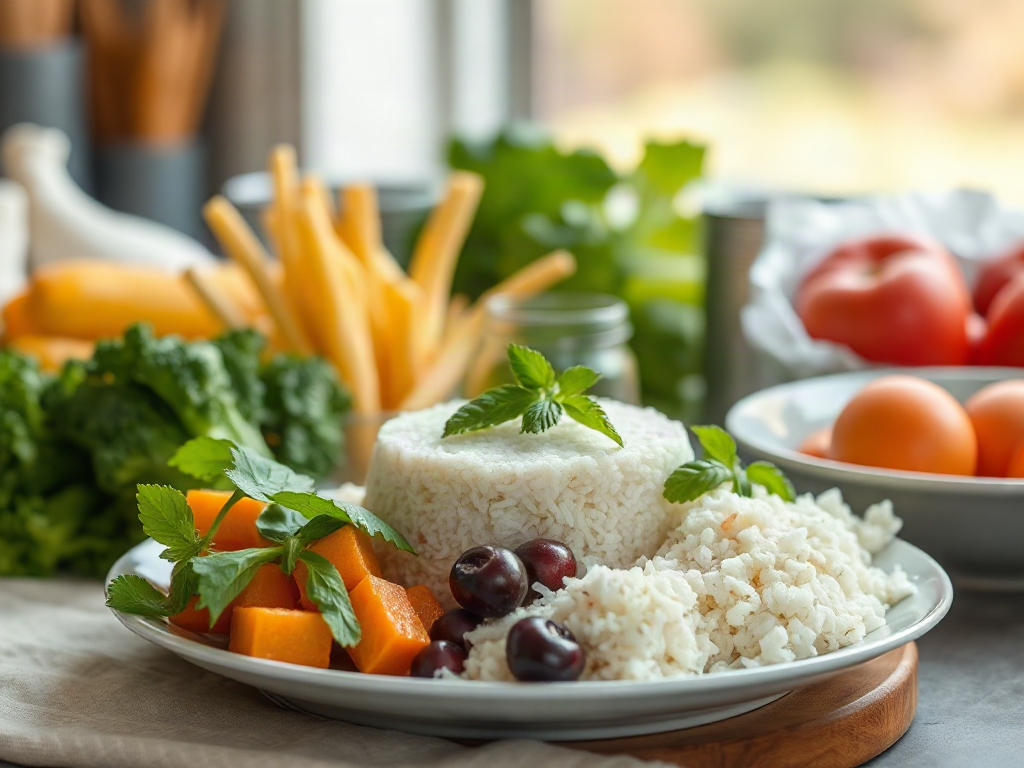
Low-phosphorus foods for everyday meal planning are easiest to manage by emphasizing fresh produce, rice, pasta, refined grains, and carefully selected proteins while limiting phosphate additives and large portions of dairy, nuts, seeds, beans, and cola. The main distinction is that phosphorus from many plant foods is absorbed less readily than phosphorus added to processed foods, so ingredient labels matter. Build meals around a lower-phosphorus starch and vegetables, then add a measured protein serving suited to your clinical plan. Because needs vary with kidney function, medications, and laboratory results, a renal dietitian should individualize targets rather than treating every naturally phosphorus-containing food as forbidden.
How Phosphorus Changes Everyday Food Choices
Phosphorus is a mineral involved in bone, muscle, and energy-related processes, but people with reduced kidney function may not clear enough of it from the blood. A food plan may then need to moderate phosphorus without sacrificing calories, protein, fiber, or enjoyment. The target is not automatically a zero-phosphorus diet. It is a pattern that reduces the most absorbable and concentrated sources while preserving a varied plate.
The source of phosphorus matters. Phosphate additives used in processed meats, bottled drinks, baking products, and convenience foods are generally absorbed efficiently. Phosphorus naturally present in plant foods is often bound to phytate, which the human digestive tract does not break down completely. That difference does not make every plant food unlimited, but it explains why a serving of fresh vegetables may fit more easily than a similarly sized processed product containing added phosphate.
A useful first comparison is plain chicken versus processed deli chicken. Both may provide protein, but the deli option can contain phosphate ingredients listed as words beginning with “phos.” Plain chicken gives more control over seasoning and additives. A second comparison is homemade rice with vegetables versus a frozen entrée: the entrée may carry more sodium, concentrated phosphorus additives, and a larger overall nutrient load.
Individual recommendations still depend on blood phosphorus, kidney disease stage, dialysis schedule, appetite, and prescribed medicines. Some people need attention to total phosphorus; others mainly benefit from removing additives and adjusting portions. Use Low-phosphorus foods for everyday meal planning as a practical framework, not as a substitute for advice from a renal dietitian.
Lower-Phosphorus Foods to Keep in Rotation
Fresh and minimally processed foods usually make the shopping list easier to control. Fruits such as apples, berries, grapes, peaches, pineapple, and pears are commonly useful choices, while vegetables such as cabbage, cauliflower, cucumber, lettuce, peppers, onions, green beans, and zucchini can add volume and flavor. Their phosphorus content varies, but they are generally more useful for building a plate than processed snack foods or phosphate-containing drinks.
Rice, pasta, couscous, tortillas made without phosphate additives, and many refined breads can provide practical starch options. These foods are not automatically “better” than whole grains for every person; they may simply fit a phosphorus-restricted plan more readily. The tradeoff is that refining can reduce fiber and other nutrients, so the right choice depends on the full medical and dietary picture. A dietitian may help balance phosphorus control with blood sugar, bowel health, and cardiovascular goals.
Protein requires more deliberate planning. Eggs, fresh poultry, fresh fish, and unprocessed cuts of meat may fit in measured portions, but protein needs should not be guessed from a generic food list. Milk, cheese, yogurt, nuts, seeds, peanut butter, beans, and lentils can contribute meaningful phosphorus even when they are otherwise nutritious. They may remain part of the diet in adjusted portions, especially when protein or calorie needs are high.
Calcium-fortified beverages and meat substitutes deserve label checks because fortification or processing can change the mineral profile. A plain ingredient is not automatically appropriate, and a packaged food is not automatically unsuitable. The practical priority is to compare products, identify additives, and choose the option that meets the person’s broader nutrition needs with less added phosphate.
- Produce: choose fresh or frozen vegetables and fruit without phosphate-containing sauces.
- Starches: use rice, pasta, couscous, or suitable breads as meal anchors when recommended.
- Proteins: favor fresh options and portion them according to the prescribed plan.
- Drinks: replace cola and phosphate-containing beverages with options approved for the individual’s fluid and potassium plan.
For a practical starting point, compare the ingredient list before comparing small differences in the nutrition panel. The presence of an additive containing “phos” can be more consequential than choosing between two similar products with slightly different listed phosphorus values.
Building Breakfasts, Lunches, and Dinners
Balanced low-phosphorus planning works best when each meal has a clear structure: a suitable starch, vegetables or fruit, and a measured protein source. This approach prevents the common mistake of removing dairy, nuts, beans, and whole grains without replacing their calories or protein. A meal that is technically low in phosphorus but leaves someone hungry may lead to convenience foods later, where additives are harder to control.
Breakfast could combine toast or an appropriate cereal with berries and an egg, depending on the person’s overall plan. If milk is limited, a dietitian can suggest a suitable alternative rather than assuming every plant beverage has the same mineral profile. Lunch might use rice or pasta salad with fresh chicken, lettuce, cucumber, and a homemade dressing. Dinner could pair roasted cauliflower or green beans with rice and a small serving of fresh fish.
Flavor is a practical control point. Lemon, garlic, vinegar, herbs, pepper, paprika, and salt-free spice blends can make fresh foods satisfying without relying on processed sauces. Packaged gravies, instant noodle seasoning, processed cheese, and cured meats may add sodium as well as phosphate ingredients. Cooking at home does not guarantee a suitable meal, but it makes the source and amount of additives easier to see.
Consider two real-world schedules. Someone who cooks on weekends might prepare plain rice, washed vegetables, and unseasoned chicken for several meals, then add different herbs or sauces made from known ingredients. Someone with limited kitchen access may need a short list of lower-additive convenience foods, such as plain frozen vegetables, single-ingredient canned items when suitable, and simple cooked grains. The second approach may cost more or offer less variety, so planning should account for time, budget, storage, and access rather than assuming homemade cooking is always possible.
Use Low-phosphorus foods for everyday meal planning to organize repeatable combinations, then adjust them for potassium, sodium, fluid, diabetes, and protein instructions. A renal-friendly plate cannot be judged by phosphorus alone.

Labels, Portions, and Common Planning Mistakes
Ingredient labels are often the fastest way to identify avoidable phosphate additives. Look for terms such as phosphoric acid, sodium phosphate, calcium phosphate, pyrophosphate, and polyphosphate. The exact wording varies by product, and the absence of a listed phosphorus amount does not prove that the food is low in phosphorus. Additives may appear in processed meats, powdered mixes, flavored drinks, baked goods, and prepared foods.
Portion size matters because a nutritious food can still supply a substantial mineral load when eaten in large amounts. For example, a small serving of a protein food may fit a prescribed plan while a double portion changes the calculation. The same principle applies to cheese, yogurt, nuts, and beans. Calling these foods “bad” is less useful than deciding how often they fit, what portion is appropriate, and whether another food can provide the same role with fewer constraints.
A frequent mistake is relying on internet lists that divide foods into allowed and forbidden categories. Such lists may ignore preparation, brand differences, serving size, laboratory results, and other kidney-related restrictions. Another mistake is replacing dairy with any plant-based beverage without checking phosphorus fortification, potassium, sugar, and protein. A third is focusing so narrowly on phosphorus that meals become low in calories or protein.
Track what happens after changes. If meals become easier to assemble, appetite remains steady, and laboratory results move in the intended direction under clinical supervision, the plan may be workable. If the person is losing weight unintentionally, avoiding entire food groups, feeling excessively restricted, or compensating with processed snacks, the plan needs review. Phosphate binders, when prescribed, must be taken exactly as directed; food changes should not be used to alter medication timing without the prescribing clinician.
A Practical Weekly Planning Method
A weekly plan becomes manageable when it is built from ingredients rather than elaborate recipes. Choose three or four starches, several vegetables, two or three fresh protein options, and fruit for snacks or breakfast. Check labels on packaged items before shopping, particularly deli meats, flavored beverages, bakery products, instant meals, and meat substitutes. This short screening step can remove a large amount of guesswork.
Next, assign foods to meals while considering leftovers and storage. For example, roasted vegetables can serve as dinner and then become part of a rice bowl the next day. Fresh chicken can be cooked without a phosphate-containing marinade and used in two meals with different seasonings. The goal is not repetitive eating; it is to reduce the number of decisions made when hunger or fatigue is highest.
- Check the medical target: confirm current phosphorus, potassium, sodium, fluid, and protein instructions with the care team.
- Shop the perimeter selectively: prioritize fresh produce and unprocessed proteins, then inspect packaged staples for phosphate additives.
- Set portions before serving: especially for protein, dairy, nuts, seeds, beans, and convenience foods.
- Prepare flavor separately: use herbs, acid, garlic, and homemade mixtures instead of relying on processed sauces.
- Review the plan: note hunger, weight changes, food access, and any laboratory feedback discussed with the clinician.
Budget and culture should shape the plan. Frozen vegetables can be practical when fresh produce spoils quickly, while familiar rice dishes or vegetable-based recipes may be easier to maintain than unfamiliar substitutes. Canned foods may need attention to sodium and preparation instructions. A plan that fits the household is more useful than an ideal menu that cannot be purchased, cooked, or enjoyed consistently.
For more meal-building context, see Low-phosphorus foods for everyday meal planning alongside the individualized instructions provided by the kidney-care team. The next step after creating a week of meals is to bring the actual food list and labels to a dietitian, especially when lab values or appetite are changing.
Frequently Asked Questions
What are practical low-phosphorus foods for everyday meals?
Fresh fruits, many vegetables, rice, pasta, and minimally processed proteins are common starting points. Serving size and the individual’s kidney-care plan still determine what fits.
Are all whole foods low in phosphorus?
No. Nuts, seeds, beans, lentils, dairy products, and some whole grains are nutritious whole foods that can contain substantial phosphorus. They may need portion or frequency adjustments rather than automatic elimination.
Why should phosphate additives be limited?
Added phosphates in processed foods are often readily absorbed. Checking ingredient lists for terms containing “phos” can help identify products that deserve comparison or limitation.
Can I use plant-based milk on a low-phosphorus plan?
It depends on the brand and the person’s broader kidney plan. Fortification, potassium, sugar, and protein vary, so compare labels and ask a renal dietitian which option fits.
Should phosphorus binders change how I plan meals?
Prescribed binders are generally connected to meals, but timing and dose instructions are individual. Do not change them based on a food list without consulting the prescribing clinician or pharmacist.
Conclusion
Effective phosphorus-conscious eating is less about memorizing forbidden foods and more about controlling the most absorbable sources, reading labels, and matching portions to the person’s clinical plan. Build meals from fresh produce, suitable starches, and measured protein, then review packaged foods for phosphate additives. Keep calories, protein, potassium, sodium, fluid, budget, and cultural preferences in view so the plan remains nourishing and workable. A food diary with product labels can give a renal dietitian useful information for making precise adjustments. If appetite, weight, laboratory results, or prescribed treatments change, revisit the plan rather than applying older restrictions indefinitely.
Related Content
- High-Calorie Foods With Useful Nutrients: Whole-Food Sources, Tradeoffs, and Smart Uses
- Practical Adjustments If Superfoods Lead to Digestive Issues: Foods and Steps to Alleviate Symptoms
- Low Residue Diet Food Choices Explained: Foods, Portions, And Meal Examples
- How to Balance Whole Foods With Superfood Intake: Effective Strategies for Nutritional Harmony
- Ancestral Diet Claims Versus Modern Nutrition Evidence: Foods, Tradeoffs, And What Holds Up