
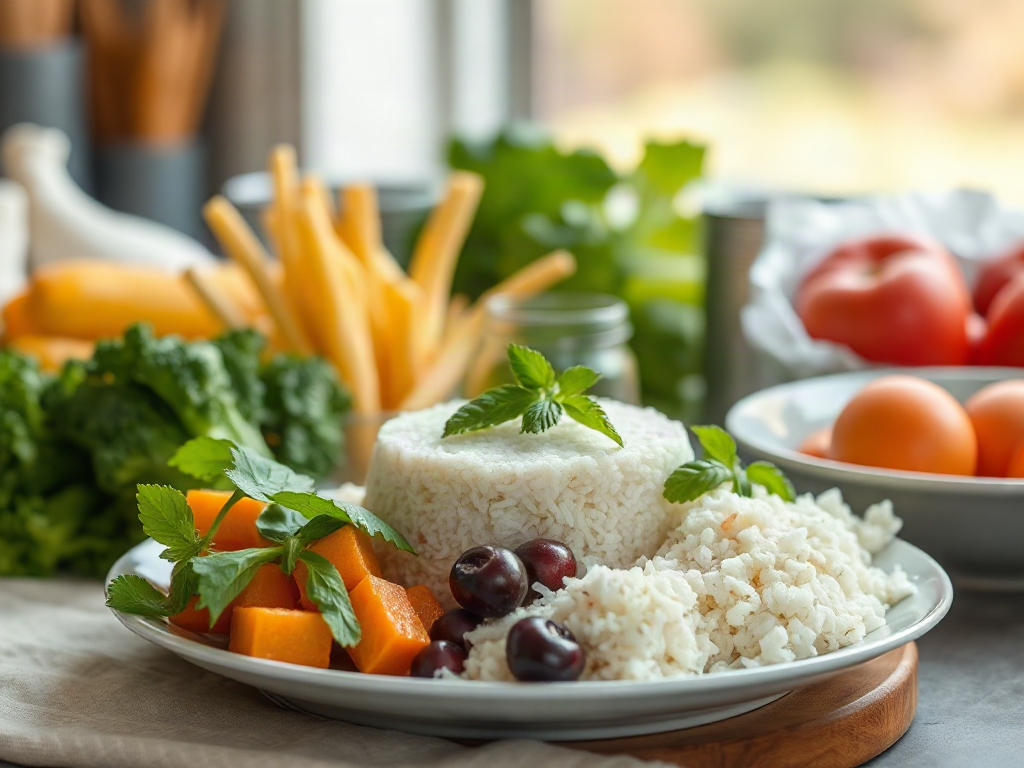
Foods high in phosphorus and their meal uses include dairy, fish, poultry, meat, eggs, beans, lentils, nuts, seeds, and whole grains, with the best choice depending on the meal and the person’s health needs. Yogurt, eggs, salmon, lentils, tofu, and pumpkin seeds can add phosphorus alongside protein, calcium, iron, or healthy fats. Whole-food sources generally fit balanced meals more predictably than processed products containing phosphate additives, which are absorbed readily and may matter for people managing kidney disease. Use these ingredients in breakfasts, grain bowls, soups, salads, and snacks, but follow individualized medical guidance if phosphorus restriction has been recommended.
How Phosphorus-Rich Foods Fit a Balanced Diet
Phosphorus is a mineral involved in bones, teeth, cell membranes, and energy metabolism. It occurs naturally in many protein-rich foods, so a meal containing eggs, yogurt, fish, poultry, beans, or nuts often supplies phosphorus without requiring a specialized product. The useful question is not simply which ingredient contains the most, but how it fits the rest of the plate.
For example, plain yogurt with oats and berries provides phosphorus alongside protein, carbohydrate, calcium, and fiber. A lentil-and-brown-rice bowl offers plant protein and fiber, while salmon with potatoes and green vegetables creates a different balance of protein, fat, and carbohydrate. These combinations make phosphorus-rich ingredients part of a meal rather than an isolated nutrient target.
Plant sources such as beans, seeds, and whole grains contain phosphorus bound partly to phytate. The body may absorb less of that phosphorus than the phosphorus found in many animal foods or added phosphate compounds. Absorption varies with the food, preparation, and the individual, so nutrition labels and medical advice may matter more than a simple food ranking.
A common mistake is treating every phosphorus-containing food as interchangeable. Cheese, canned fish, tofu, lentils, and processed meat can all contribute phosphorus, but they differ greatly in sodium, saturated fat, fiber, and additive content. Use Foods high in phosphorus and their meal uses as a meal-building reference, not as a reason to maximize intake.
Best Whole-Food Sources and What They Add to Meals
Dairy foods are convenient sources. Milk can enrich oatmeal, smoothies, soups, or sauces; yogurt works with fruit, oats, or savory herbs; and cheese can finish a vegetable, egg, or grain dish. Dairy also contributes protein and calcium, although portions and fat content differ. Plain versions usually make it easier to control added sugar.
Fish, poultry, meat, and eggs provide phosphorus with complete or high-quality protein. Salmon can anchor a grain bowl, canned tuna can become a bean or leafy-green salad, and eggs can turn leftover vegetables into a quick skillet meal. Lean poultry works well in tacos, soups, and sandwiches. Meat can be useful in smaller portions, but processed versions may bring substantial sodium and phosphate additives.
Beans, lentils, peas, tofu, tempeh, nuts, seeds, and whole grains broaden the options for plant-forward eating. Lentils suit soups and tomato-based stews; chickpeas work in salads or blended spreads; tofu absorbs marinades in stir-fries; and pumpkin seeds add texture to oatmeal or roasted vegetables. Oats, quinoa, and whole-grain bread can carry these foods into breakfast and lunch without relying on supplements.
Selection should follow the meal’s missing element. Choose yogurt or eggs when breakfast needs protein, lentils when a soup needs substance and fiber, salmon when dinner needs a rich protein source, or seeds when a salad needs crunch. The failure mode is focusing on a single “high” food while overlooking the overall plate, especially sodium in cured foods or added sugar in flavored dairy.
Practical Breakfast, Lunch, and Dinner Uses
Breakfast is an easy place to use phosphorus-rich foods without making the meal complicated. Stir plain yogurt into oats, add a boiled egg to whole-grain toast, or prepare a tofu scramble with peppers and greens. A smoothie made with milk or yogurt, fruit, and oats can be substantial, but serving size matters because liquid meals are easy to consume quickly and may contain more ingredients than expected.
Lunch options can remain portable. A lentil salad with cucumber, tomato, herbs, and a lemon dressing supplies texture and fiber; a tuna-and-white-bean salad provides a different protein combination; and a chicken wrap can include vegetables and a yogurt-based sauce. If using canned beans or fish, rinsing beans and comparing labels may reduce sodium, though rinsing does not remove every additive or mineral.
Dinner can use one phosphorus-containing centerpiece with vegetables and a starch. Try baked salmon with potatoes and broccoli, tofu with brown rice and vegetables, or chicken with quinoa and roasted squash. Cheese can be used as a finishing ingredient rather than the main protein. That distinction helps preserve flavor while keeping the meal from becoming dominated by sodium or saturated fat.
A practical three-step check keeps meals balanced:
- Choose the anchor: Select dairy, eggs, fish, poultry, legumes, tofu, nuts, or seeds.
- Add contrasting foods: Include vegetables or fruit and a suitable whole-grain or starchy food.
- Inspect the package: Look for ingredients containing “phos-,” particularly in processed meats, instant mixes, cola beverages, and packaged baked goods.
The right approach differs by circumstance. An active adult may use these foods to build satisfying protein-rich meals, while someone with kidney disease may need a dietitian’s individualized guidance on total phosphorus, portion size, and additive exposure. A common mistake is copying a high-phosphorus meal plan without accounting for that medical context.
Phosphorus Additives, Absorption, and Health Constraints
Naturally occurring phosphorus and added phosphate compounds are not identical from a practical nutrition standpoint. Phosphate additives are used in some processed foods for texture, moisture retention, leavening, color, or shelf stability, and they are generally readily absorbed. Ingredient lists can therefore provide useful information even when a nutrition label does not make the source obvious.
Look for terms such as phosphoric acid, sodium phosphate, calcium phosphate, pyrophosphate, polyphosphate, or ingredients containing “phos-.” Their presence does not automatically make a food unacceptable, but frequent reliance on processed meats, convenience meals, cola drinks, packaged pastries, and powdered mixes can increase exposure while also displacing less processed foods.
People with chronic kidney disease may have difficulty regulating phosphorus as kidney function changes. For them, the issue is not simply whether a food is “healthy” in general. A dietitian or clinician may recommend specific portions, preparation methods, label checks, or substitutions based on laboratory results and the broader diet. Do not sharply restrict phosphorus or eliminate dairy, beans, or whole grains without professional guidance, because unnecessary restriction can reduce dietary variety and important nutrients.
For most people, the sensible priority is food quality and dietary balance rather than avoiding every natural source. Compare plain yogurt with a heavily sweetened dessert, fresh poultry with processed deli meat, or home-cooked lentils with an additive-rich instant meal. The better choice depends on the full nutrient profile, cost, convenience, and medical situation.
If a planned approach is working, meals remain varied, protein is distributed across the day, and package labels become easier to interpret. If it is failing, signs may include excessive restriction, reliance on supplements, repeated high-sodium convenience foods, or confusion about whether natural and added phosphorus are being treated differently. The meal uses for phosphorus-rich foods should support a varied eating pattern, not replace individualized nutrition care.
Frequently Asked Questions
Which foods are naturally high in phosphorus?
Dairy, fish, poultry, meat, eggs, beans, lentils, tofu, nuts, seeds, and whole grains commonly provide phosphorus. Their other nutrients and portion sizes differ.
Are beans and lentils good meal sources of phosphorus?
Yes. Beans and lentils add phosphorus, plant protein, and fiber to soups, salads, grain bowls, and spreads. Their phosphorus absorption may differ from that of animal foods.
What is the easiest way to add phosphorus-rich foods at breakfast?
Use plain yogurt with oats and fruit, eggs with whole-grain toast and vegetables, or tofu with sautéed vegetables. Choose the option that matches the meal’s protein needs.
Should people avoid phosphorus-rich foods?
Most people do not need to avoid natural phosphorus sources. People with kidney disease or specific medical instructions should follow individualized guidance rather than making broad dietary changes.
Why check processed-food ingredient lists?
Some processed foods contain phosphate additives that are readily absorbed. Look for ingredient terms containing “phos-,” especially in processed meats, packaged mixes, and cola beverages.
Conclusion
Phosphorus-rich foods are most useful when they serve a clear role in a balanced meal. Yogurt, eggs, fish, poultry, lentils, tofu, nuts, seeds, and whole grains can supply phosphorus while also contributing protein, fiber, calcium, or healthy fats. Build meals around the nutrient or texture you need, then compare processed options for sodium, added sugar, and phosphate ingredients. Natural phosphorus does not need to be treated as a dietary problem for everyone, but kidney disease can change the appropriate portions and food choices. If phosphorus restriction has been recommended, review labels and meal ideas with a qualified clinician or dietitian instead of relying on general food lists alone.
Related Content
- Reasons Superfoods May Not Boost Energy As Expected: Common Misconceptions and Nutritional Factors
- What To Do If Superfoods Cause Energy Crashes: Causes, Solutions, and Practical Steps
- How To Identify The Right Superfoods For Energy Through Nutrient Density, Meal Fit, And Timing
- What Advanced Recipes Can I Try With Superfoods?
- What to Consider When Creating a Superfood Smoothie: Ingredients, Nutritional Balance, and Flavor Combinations