
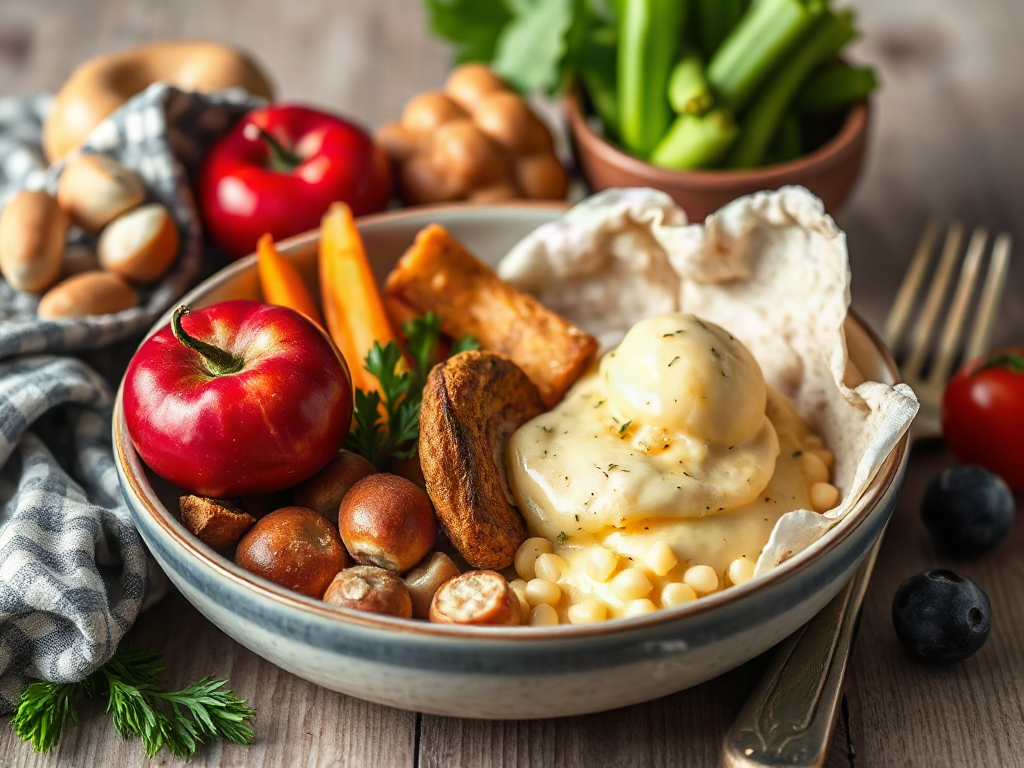
No-carb foods can reduce carbohydrate intake, but the realistic tradeoffs include less fiber, narrower micronutrient variety, greater reliance on animal foods, and possible increases in sodium or saturated fat. Plain meat, poultry, fish, eggs, oils, and some cheeses contain zero or negligible carbohydrate, while most plant foods contribute at least a small amount. A practical approach is to distinguish truly carbohydrate-free items from low-carb whole foods and decide whether strict avoidance serves a specific purpose. For most people, preserving vegetables, seeds, nuts, and other fiber sources is more useful than pursuing an absolute zero-carb target.
Which Foods Actually Contain No Carbohydrate?
Truly carbohydrate-free choices come from a relatively narrow group: unbreaded meat, poultry, fish, pure fats, and certain beverages such as plain water. Eggs and many cheeses are commonly called no-carb foods, although they can contain small amounts depending on the product, serving size, and labeling conventions. Nearly every unrefined plant food contains some carbohydrate because plant tissues naturally include sugars, starches, or fiber.
Fresh beef, chicken, turkey, pork, finfish, and shellfish generally provide protein and fat without meaningful carbohydrate when cooked without sugary sauces, flour coatings, or breading. Butter, olive oil, avocado oil, and other pure fats are carbohydrate-free, but they do not supply protein or fiber. Plain coffee and unsweetened tea contain negligible carbohydrate, while milk, sweetened creamers, and bottled versions may not.
Preparation changes the calculation. A plain grilled chicken breast differs substantially from glazed chicken, which may contain sugar or starch. A hamburger patty may be carbohydrate-free, but its bun, ketchup, and some commercial seasonings are not. Deli meats, sausages, jerky, imitation seafood, and marinated products can include dextrose, corn syrup, milk solids, or starch. The ingredient list therefore matters more than the front-label phrase “zero carb.”
Nutrition labels add another complication. A package may display zero grams when the amount per labeled serving is small enough to round down under labeling rules. Eating several servings can produce a measurable total. Serving size also explains why a food listed as zero in one database may show a fraction of a gram in another.
Readers comparing No-carb foods and realistic nutrition tradeoffs should separate three categories: foods that naturally contain none, foods with negligible amounts, and manufactured products advertised as zero. That distinction prevents a common mistake—treating a marketing claim as evidence that a product is nutritionally preferable. Check the serving size, total carbohydrate line, ingredient list, and preparation method before deciding how the item fits.
Nutrients That Become Harder to Obtain
Removing carbohydrates also removes many foods that deliver nutrients unrelated to carbohydrate itself. Vegetables, legumes, fruit, intact grains, nuts, and seeds contribute fiber, potassium, magnesium, folate, vitamin C, and diverse plant compounds. A diet made almost entirely from meat, cheese, eggs, and fats can provide abundant protein, vitamin B12, iron, zinc, and other nutrients, yet still leave important gaps.
Fiber is the most obvious sacrifice because animal foods and pure oils contain none. Fiber adds stool bulk, supports regularity, and supplies fermentable material used by intestinal microbes. A sudden drop may be followed by constipation, especially if fluid intake also falls. Digestive responses differ, but persistent difficulty passing stool, abdominal discomfort, or dependence on laxatives suggests that the food pattern needs reassessment rather than stricter carbohydrate avoidance.
Vitamin C and folate deserve attention when vegetables and fruit disappear. Potassium and magnesium may also become harder to obtain in adequate amounts if the menu repeatedly centers on meat and cheese. Supplements can provide isolated nutrients, but they do not reproduce the fiber, food structure, culinary variety, and broad mixture of compounds found in whole plant foods. A multivitamin is therefore not a complete substitute for dietary variety.
The tradeoff becomes clearer in a typical breakfast comparison. Eggs cooked in butter with bacon may contain almost no carbohydrate and plenty of protein, but they provide no fiber and can be high in sodium and saturated fat. Eggs served with sautéed spinach, mushrooms, and a modest portion of berries contain more carbohydrate while adding fiber, potassium, vitamin C, and meal volume. The second plate is not “worse” simply because its carbohydrate count is higher.
Very-low-carbohydrate eating can also alter fluid balance, appetite, exercise tolerance, and bowel habits, particularly during the transition. People using insulin or other glucose-lowering medicine need individualized clinical guidance because medication requirements can change when carbohydrate intake changes sharply. Pregnancy, kidney disease, a history of disordered eating, and intensive athletic training are additional reasons not to improvise a restrictive plan.
A useful checkpoint is whether restriction is producing a clear benefit without eroding food quality. Stable energy, comfortable digestion, adequate intake, and a sustainable range of foods are constructive signs. Fatigue, persistent constipation, fear of vegetables, declining exercise capacity, or a shrinking list of acceptable foods indicate that the carbohydrate target may be overriding more meaningful nutrition priorities.
Processed No-Carb Products and Hidden Compromises
A zero-carb label describes one nutrient category, not the product’s overall quality. Packaged meats, cheese snacks, pork rinds, diet drinks, and specialty substitutes may fit a numerical carbohydrate limit while contributing substantial sodium, saturated fat, sweeteners, or few micronutrients. Conversely, a serving of broccoli or almonds contains carbohydrate but also offers fiber and nutrients absent from many engineered alternatives.
Sodium is a practical concern because many convenient low- or no-carb options are cured, brined, smoked, or heavily seasoned. Bacon, salami, hot dogs, jerky, canned meat, and processed cheese can make a restrictive menu easy to assemble, but using them at every meal concentrates sodium and leaves little room for minimally processed choices. Plain roasted chicken, fresh fish, eggs, and unsalted meat provide a different nutritional profile even when the carbohydrate count is similar.
Saturated fat can rise when butter, cream, fatty processed meats, and large amounts of cheese replace beans, whole grains, and fruit. Individual health context matters, and no single meal determines long-term outcomes. Still, carbohydrate restriction does not require obtaining most dietary fat from butter and cured meat. Olive oil, fish, seeds, nuts, and avocado introduce unsaturated fats, although the plant choices are low-carb rather than strictly carbohydrate-free.
Specialty breads, tortillas, candies, and bars require closer inspection. Some calculate “net carbs” by subtracting fiber and certain sugar alcohols from total carbohydrate. Net carbohydrate is not the standardized total shown on the Nutrition Facts panel, and digestive or glucose responses to ingredients can vary. Large portions of sugar alcohols may cause bloating or diarrhea for some people. Products marketed as zero may also rely on unusually small serving sizes.
A compact label check keeps the priority on the whole product:
- Confirm the serving: Compare it with the amount you will actually eat.
- Read total carbohydrate: Do not rely only on a front-of-package net-carb claim.
- Scan the ingredients: Look for added sugars, starches, fillers, and sugar alcohols.
- Compare sodium and saturated fat: Similar carb counts can hide large differences.
- Ask what the food contributes: Protein, fiber, vitamins, minerals, and satisfaction matter too.
The common failure mode is replacing nutrient-dense carbohydrate foods with highly processed “compliant” snacks. Someone may remove beans and berries while eating several packaged bars because the advertised net count looks lower. A better comparison considers the entire dietary exchange: what was removed, what replaced it, and which nutrients were gained or lost. That broader calculation is central to No-carb foods and realistic nutrition tradeoffs.

How to Build a Lower-Carb Diet Without Chasing Zero
A lower-carbohydrate pattern can be built around food quality without requiring every ingredient to reach zero. Begin by identifying the reason for reducing carbohydrate. Someone seeking steadier meal satisfaction may need fewer refined snacks and more protein, not the elimination of vegetables. A person managing blood glucose may benefit from consistent portions and monitoring under professional guidance rather than treating all carbohydrate sources as interchangeable.
Prioritize plain protein first: fish, poultry, eggs, lean or moderately fatty meat, tofu, or unsweetened dairy according to preference and tolerance. Tofu and dairy are not always carbohydrate-free, but their modest amounts may be worthwhile within a lower-carb pattern. Add non-starchy vegetables such as leafy greens, broccoli, cauliflower, zucchini, peppers, or mushrooms. Their carbohydrate contribution buys fiber, volume, potassium, folate, and culinary variety.
Choose fat sources deliberately rather than allowing processed meat and cheese to supply most of them. Olive oil, avocado, nuts, seeds, and oily fish provide useful alternatives, even though several contain small amounts of carbohydrate. Portion still matters because fats are energy-dense. A salad covered with cheese, bacon, creamy dressing, nuts, and oil may be low in carbohydrate but much more energy-dense than expected.
A practical dinner could pair baked salmon with roasted asparagus and cauliflower dressed with olive oil. For someone using a less restrictive target, lentils, beans, plain yogurt, or a small portion of intact grain can be tested according to appetite, glucose goals, digestion, and activity. This approach treats carbohydrate allowance as a budget to spend on foods with nutritional value, rather than a contest to reach the lowest possible number.
Use a short review after two to four weeks:
- Check whether hunger, energy, digestion, and exercise capacity have improved or deteriorated.
- Review how often vegetables, nuts, seeds, legumes, or fruit appear.
- Compare fresh proteins with the frequency of cured and packaged products.
- Recheck labels if portions exceed the manufacturer’s serving size.
- Discuss symptoms, laboratory results, or medication effects with a qualified clinician.
Success should be judged by more than carbohydrate grams. A workable pattern supports adequate nutrition, fits the budget, allows social meals, and does not create anxiety around trace amounts in whole foods. If adherence requires expensive substitutes, frequent digestive remedies, or avoiding nearly all plant foods, a moderately low-carb approach is likely more practical. The best next step is usually to remove obvious refined carbohydrates first, preserve nutrient-rich whole foods, and tighten the target only when a defined reason justifies the added constraint.
Frequently Asked Questions
Are eggs completely free of carbohydrates?
Eggs contain only a very small amount and are often treated as carbohydrate-free in ordinary meal planning. Added milk, sauces, vegetables, or processed breakfast meats can change the meal total.
Do vegetables count as no-carb foods?
No. Vegetables contain varying amounts of carbohydrate, including fiber. Non-starchy vegetables are often retained in lower-carb diets because their fiber, vitamins, minerals, and volume outweigh the modest carbohydrate contribution.
Is zero carb healthier than low carb?
Not automatically. Going to zero sharply limits plant foods and can reduce fiber and micronutrient variety. A less restrictive plan may deliver the desired carbohydrate reduction with fewer nutritional and practical compromises.
Can a food labeled zero carb still contain some carbohydrate?
Yes. Small amounts may be rounded down per labeled serving. Check the serving size, total carbohydrate line, and ingredient list, especially when eating multiple servings.
Who should seek professional advice before cutting carbohydrates sharply?
People using glucose-lowering medicine, pregnant individuals, athletes with high fueling needs, and those with kidney disease, digestive concerns, or a history of disordered eating should obtain individualized clinical guidance.
Conclusion
Use carbohydrate content as one decision point, not the sole measure of food quality. Plain meat, fish, poultry, eggs, and pure fats can anchor a very-low-carb menu, but they do not replace the fiber and nutrient range supplied by plant foods. Before excluding vegetables, nuts, seeds, legumes, fruit, or dairy, identify the result you expect and whether a less restrictive change could achieve it.
Start by reducing refined sweets, sweetened drinks, and heavily processed snacks while keeping nutrient-dense options that fit your needs. Compare labels for realistic serving sizes, sodium, saturated fat, and added ingredients. Then monitor digestion, energy, appetite, exercise tolerance, and the variety on your plate. If the diet causes persistent symptoms, depends heavily on processed products, or interacts with a medical condition or medication, revise the target with help from a qualified health professional.
Related Content
- Why Choose Superfood Nutrition?
- What tools do i need for whole food meal prep?
- Whole Food Diet Before and After Changes: A Practical Timeline for Meals, Digestion, and Energy
- What to Consider When Comparing Superfoods for Weight Management: Key Nutritional Factors and Practical Applications
- How to Choose Affordable Superfoods Without Sacrificing Quality: Practical Steps for Smart Shopping