
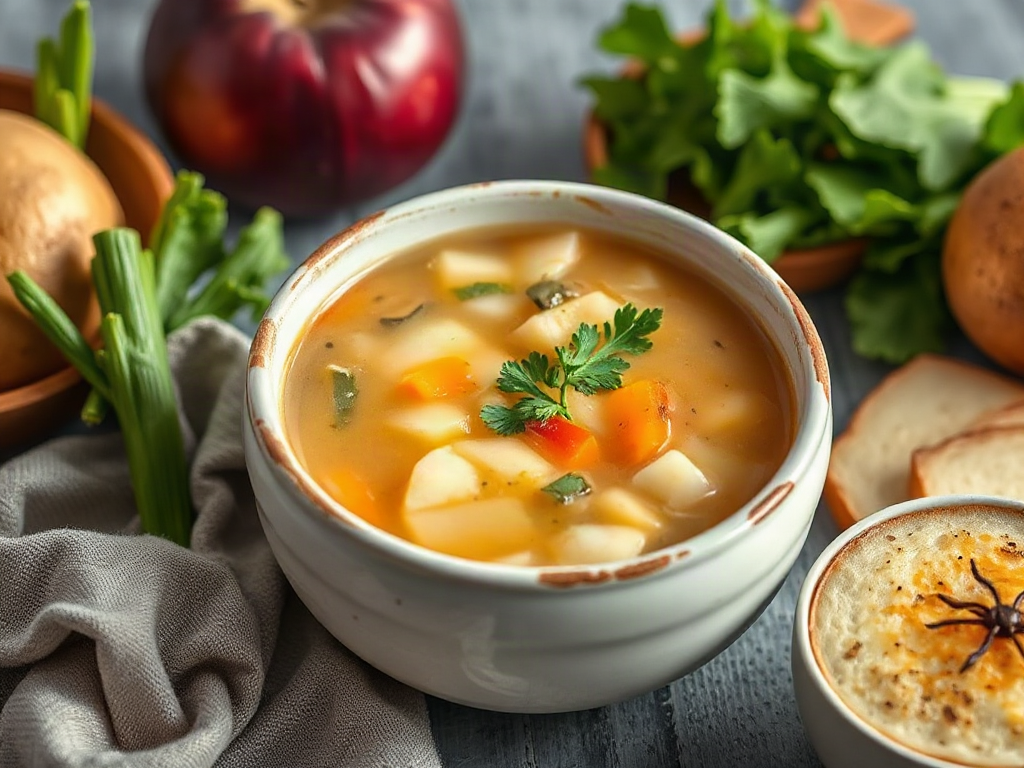
Low-calorie foods that still feel substantial combine high water content, fiber, protein, physical volume, or a texture that requires more chewing. Vegetables, whole fruit, broth-based soups, potatoes, beans, eggs, plain yogurt, and lean protein can provide more sensory and digestive satisfaction than small portions of calorie-dense snacks. For lasting fullness, build meals around produce and a protein source rather than relying on bulky vegetables alone. Preparation matters: frying, heavy dressings, cheese, and generous oil can quickly change the calorie profile. A satisfying choice should reduce hunger for a useful period without leaving the meal nutritionally incomplete.
Why Some Lower-Calorie Choices Feel More Filling
Satiety is influenced by more than the calorie count printed on a label. The weight and volume of food, its protein and fiber content, the effort required to chew it, and the speed at which it is eaten all affect whether a portion feels like a snack or a real meal. A large bowl of vegetable soup and a small pastry may contain comparable calories in some preparations, yet they create very different eating experiences.
Water-rich foods occupy considerable space without contributing calories from the water itself. Cucumbers, tomatoes, strawberries, melon, zucchini, mushrooms, leafy greens, and broth-based soups use this principle naturally. Whole produce also retains its cellular structure and often requires chewing, which slows the meal. Juice does not work the same way: it removes much of the structure and, depending on the product, some or most of the fiber, making it easier to consume quickly.
Fiber adds another layer of staying power. Oats, beans, lentils, peas, berries, and intact vegetables generally take longer to eat and digest than refined alternatives. Fiber can contribute to fullness, but adding large amounts abruptly may cause gas or discomfort. People who are not accustomed to legumes or bran-rich foods may do better with modest portions, adequate fluid, and gradual increases.
Protein is especially useful when physical volume alone does not keep hunger away. Egg whites are lower in calories than whole eggs, but using one whole egg with extra whites provides protein plus the flavor and richness of the yolk. Plain Greek-style yogurt, cottage cheese, fish, chicken breast, tofu, and legumes can give a vegetable-heavy plate more endurance. Individual needs and tolerances differ, and no single food guarantees prolonged fullness.
Texture and temperature matter as well. A crisp apple often feels more substantial than applesauce, while a hot potato or bowl of soup may encourage slower eating than a cold snack consumed while distracted. The common mistake is to equate the largest possible serving with the most satisfying one. Huge portions of lettuce or raw vegetables may create temporary stomach fullness but can feel incomplete if they lack protein, carbohydrate, or enough flavor to make the meal enjoyable.
Substantial Foods for Different Types of Hunger
The best choice depends on whether someone wants a high-volume side, a protein-centered snack, or a complete meal. Non-starchy vegetables deliver exceptional volume, but foods such as potatoes, oats, beans, and fruit often offer a more substantial mix of carbohydrate, fiber, water, and eating satisfaction. Labeling all starches as unsuitable can remove some of the most practical options.
For maximum plate volume
Cabbage, cauliflower, broccoli, green beans, zucchini, mushrooms, peppers, and leafy greens can occupy half a plate without making it excessively calorie-dense. Roasting or sautéing concentrates flavor, although the cooking fat must be measured if calories are a priority. Air-popped popcorn is another useful volume food; its advantage declines when it is coated heavily with butter, oil, caramel, or cheese powder.
For warmth and meal-like weight
Broth-based vegetable soup can feel more complete than raw vegetables because it combines fluid, temperature, aroma, and a longer eating time. Add shredded chicken, white beans, lentils, tofu, or fish to turn it into a more balanced meal. Cream soups are not automatically poor choices, but cream, coconut milk, butter, and cheese can make a modest bowl far more energy-dense than a broth-based version.
Boiled or baked potatoes are also substantial when served with restrained toppings. They contain water and provide a familiar, satisfying starch base. Compare a baked potato topped with plain yogurt, herbs, and chopped vegetables with the same potato covered in butter, bacon, and cheese: the base food is identical, but the finished dishes have very different energy density. Sweet potatoes offer a similar role, with a different flavor and nutrient profile rather than an automatic calorie advantage.
For hunger that returns quickly
Choose a protein-containing option such as plain yogurt with berries, cottage cheese with tomatoes, an egg with fruit, edamame, tuna over crunchy vegetables, or lentil soup. Nuts and nut butters provide valuable nutrients, but they are concentrated rather than low-calorie; a small measured amount may improve satisfaction, whereas eating directly from the container can erase the intended calorie gap.
A useful collection of Low-calorie foods that still feel substantial should therefore include more than raw produce. Keep options from several functional groups: vegetables for volume, fruit or intact grains for carbohydrate, and lean protein or legumes for staying power. That mix is more adaptable than expecting celery, rice cakes, or another single light food to solve every kind of hunger.
How to Build a Satisfying Lower-Calorie Plate
A dependable plate starts with volume, gains staying power from protein, and includes enough flavor and carbohydrate to feel finished. Removing every energy-dense component can produce a visually large meal that sends someone searching for snacks soon afterward. The better target is a lower-energy-density meal that remains nutritionally and sensorially complete.
Begin with one or two cups of cooked or raw vegetables, depending on appetite and digestive comfort. Add a clear protein anchor: fish, poultry, eggs, tofu, tempeh, low-fat dairy, beans, or lentils. Then select an appropriate portion of potatoes, corn, intact grains, whole-grain bread, or fruit. A small amount of fat-rich dressing, avocado, seeds, or cheese can improve flavor, but it should be treated as a concentrated addition rather than an invisible extra.
Consider a grain bowl as a practical example. A bowl made mainly from rice may be easy to eat quickly and may not offer much volume. Using a smaller rice portion alongside roasted cauliflower, cabbage, peppers, black beans, salsa, and a spoonful of plain yogurt creates more food to chew and a broader mix of fiber and protein. Conversely, replacing every grain with cauliflower rice may save calories but leave the meal unsatisfying for someone with higher energy needs or an active day ahead.
Use this compact plate check before deciding that a meal is complete:
- Volume: Is there a generous portion of vegetables, fruit, or broth-based food?
- Protein: Is there a recognizable protein source rather than a token garnish?
- Structure: Does the meal require chewing, or is it mostly liquid or puréed?
- Flavor: Are herbs, spices, acidity, heat, or a measured rich ingredient making it enjoyable?
- After-meal response: Does it keep hunger manageable until the next planned eating occasion?
Signs that the approach is working include finishing comfortably rather than feeling stuffed, experiencing a gradual return of hunger, and being able to repeat the meal without feeling deprived. Signs it is failing include persistent food preoccupation, repeated unplanned snacking, fatigue, or relying on enormous portions of low-calorie produce to suppress hunger. Those patterns can indicate that the plate needs more protein, carbohydrate, fat, or total food rather than even more volume.
Calorie needs vary with body size, activity, age, health status, and goals. Anyone with a history of disordered eating, unexplained weight change, persistent digestive symptoms, or a medical condition affecting food intake should seek individualized guidance rather than pursuing the lowest possible calorie total. The purpose of Low-calorie foods that still feel substantial is to improve meal quality and comfort, not to justify chronic under-fueling.
Preparation Choices That Change the Result
Cooking method often determines whether a naturally light ingredient remains low in calories. Vegetables absorb oil readily, especially when chopped into small pieces or cooked until very soft. Oil is not inherently undesirable, but pouring it freely can add more energy than the vegetables themselves. Measuring it, using a brush or spray for even coverage, and relying on herbs, spices, vinegar, citrus, mustard, garlic, or chile for additional flavor makes the outcome more predictable.
Roasting produces browned edges and concentrated flavor, while steaming retains water and physical volume. Neither method is universally better. Roasting may make broccoli or cauliflower far more appealing, which can matter more than achieving the lowest theoretical calorie count. Steaming is useful when a meal already contains a rich sauce or oily protein. Sautéing can work well when a measured amount of fat is distributed across a large pan of mushrooms, cabbage, and zucchini.
Product labels also deserve context. “Low calorie” does not necessarily mean filling, and “high protein” products can contain sweeteners, refined starches, or added fats that make them less satisfying than expected. Compare serving size, protein, fiber, and the physical amount of food rather than judging the front-of-package claim alone. A small snack bar may fit a calorie target but disappear in a few bites; yogurt with berries or soup with beans may provide a longer, more meal-like experience.
Condiments are a frequent source of mismatch between expectation and result. Mayonnaise, creamy dressings, oil-heavy pesto, sugary sauces, and large amounts of cheese can be appropriate in controlled portions, but they should not be counted as negligible. Measure once or twice to learn what a tablespoon looks like, then decide whether that amount supplies enough flavor. If not, combine a small rich component with lower-calorie flavor builders such as pickle brine, salsa, fresh herbs, lemon juice, or hot sauce.
Preparation should also respect digestive tolerance. Large salads, cruciferous vegetables, beans, and high-fiber cereals may cause discomfort for some people, particularly when portions rise suddenly. Cooked vegetables, peeled fruit, oats, potatoes, yogurt, eggs, fish, or blended soups may feel gentler, depending on the person. Blending can make food easier to consume quickly, so a puréed soup is often more satisfying when it contains beans, yogurt, tofu, or another protein source.
The practical test is the completed dish, not the reputation of its main ingredient. Track additions, notice how long the meal remains satisfying, and adjust one variable at a time. If hunger returns rapidly, add protein or a structured carbohydrate before simply increasing vegetables. If the meal is satisfying but too calorie-dense for the intended use, reduce oils and toppings first rather than shrinking every component.
Frequently Asked Questions
What is the most filling food for the fewest calories?
No single option works for everyone. Broth-based soup, potatoes with light toppings, vegetables paired with lean protein, plain yogurt with fruit, and legumes offer useful combinations of volume, water, fiber, or protein.
Can fruit be part of a lower-calorie filling meal?
Yes. Whole apples, oranges, berries, melon, and pears provide water, structure, and fiber. Pairing fruit with yogurt, cottage cheese, or an egg generally creates more staying power than fruit juice or fruit eaten alone.
Why am I still hungry after eating a large salad?
The salad may provide volume without enough protein, structured carbohydrate, or fat. Add beans, eggs, chicken, fish, tofu, potatoes, whole grains, or a measured dressing rather than relying only on leafy vegetables.
Are frozen vegetables as useful as fresh ones?
Plain frozen vegetables are convenient, nutritious, and easy to portion. Check whether sauces, butter, cheese, or breading have been added, since those extras can substantially change the finished dish.
Do low-calorie foods have to be eaten without oil?
No. A measured amount of oil can improve flavor and cooking quality. The issue is quantity: free-pouring oil makes calorie intake difficult to estimate, while a measured portion keeps the meal predictable.
Conclusion
Substantial eating is created by the whole plate, not by finding one exceptionally light ingredient. Use water-rich produce to supply volume, then add a meaningful protein source and enough intact carbohydrate or fat to prevent the meal from feeling unfinished. Potatoes, legumes, eggs, yogurt, lean proteins, fruit, cooked vegetables, and broth-based soups are versatile starting points.
Review cooking fats, dressings, cheese, and sauces before cutting the core food portion; concentrated extras often explain why an apparently light dish exceeds its intended calorie range. Then judge the result by comfort and function. A suitable meal should be enjoyable, digestible, and satisfying for a reasonable interval. If large low-calorie portions repeatedly leave you hungry, fatigued, or preoccupied with food, increase nutritional substance rather than chasing still greater volume.
Related Content
- Why Some Superfoods Are Considered Overhyped: Understanding Nutritional Claims and Real Benefits
- Issues With Relying Too Heavily on Superfood Snacks: Nutritional Trade-offs and Health Implications
- When Is The Best Time To Consume Superfoods For Maximum Benefits?
- How Long Does Superfood, Nutrition Usually Take To See Results?
- Omega 6 Foods and Dietary Balance: Sources, Ratios, and Smarter Meal Choices