
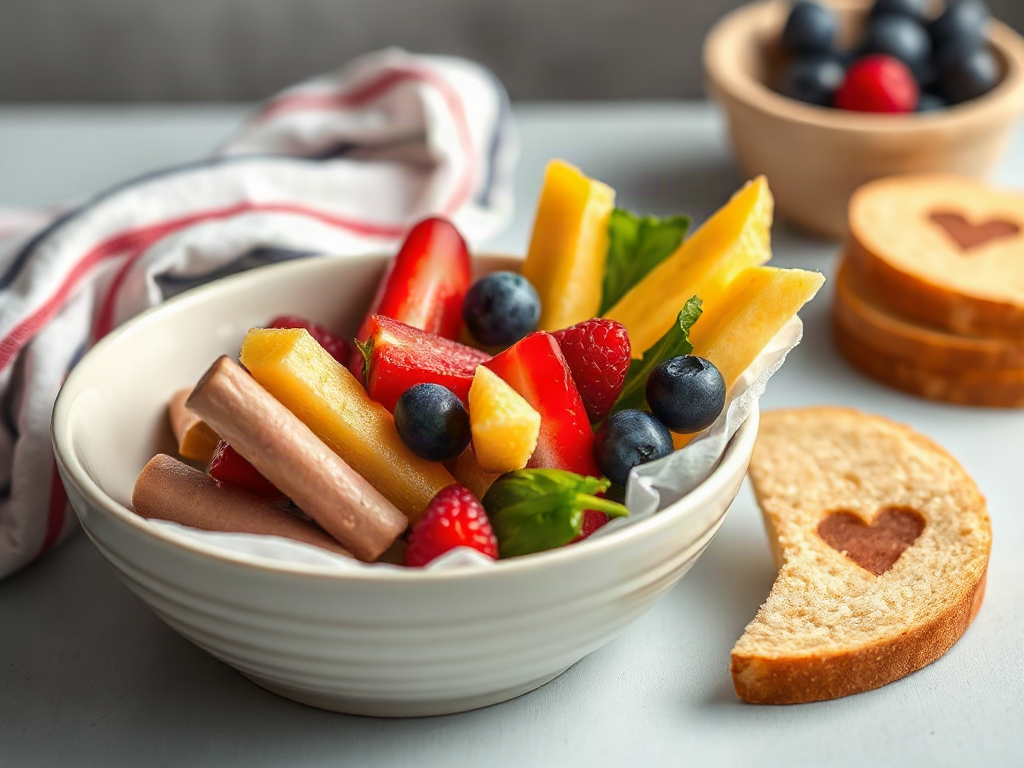
Low-calorie snacks that help support weight loss are usually built around protein, fiber, water-rich produce, or a combination that curbs hunger without quietly adding large amounts of energy. Greek yogurt with berries, vegetables with hummus, fruit with cottage cheese, air-popped popcorn, and edamame offer more staying power than sweets or refined snack crackers. Portioning calorie-dense ingredients such as nuts, cheese, oils, and dips matters because small servings can contain substantial energy. Use a snack when it bridges a long gap between meals or prevents overeating later, but skip it when you are eating from habit rather than hunger.
What Makes a Snack Filling Without Excess Calories
A useful snack does more than have a low calorie number on its label. It should provide enough volume, texture, protein, fiber, or fluid to make the next meal easier to manage. Foods with high water content, such as berries, oranges, cucumbers, tomatoes, and melon, occupy space in the stomach for relatively few calories. Protein and fiber tend to slow digestion and can make hunger return less quickly than it does after a small serving of candy or sweetened baked goods.
Satiety is personal, so the same snack may work well before one person’s dinner and poorly for another. A cup of berries may be refreshing but may not carry someone through a long afternoon. Adding plain Greek yogurt changes the nutrition profile by supplying protein and a creamy texture. Likewise, raw vegetables alone may feel insubstantial, while carrots with a measured portion of hummus provide a more complete combination.
Calories still matter, but they are not the only useful screening tool. A snack that is technically light but leaves you searching the kitchen 20 minutes later may lead to more total eating. Conversely, a modest portion of nuts may be satisfying, yet an unmeasured handful can become much more energy-dense than expected. The practical question is whether the serving solves a genuine hunger problem at a reasonable calorie cost.
Use this quick test before choosing:
- Does it include a source of protein, fiber, or substantial water?
- Can the portion be identified without eating directly from a large package?
- Will it fit the time available, storage conditions, and dietary needs?
These checks also explain why low-calorie snacks that help support weight loss are not one fixed list. A refrigerated option may suit an office with a kitchen, while shelf-stable fruit or roasted chickpeas may be more realistic during travel. Practical fit often determines whether a sound choice is actually used.
Whole-Food Snack Ideas for Different Hunger Levels
Snack selection should match the size and cause of your hunger. Mild hunger may call for fruit, sliced cucumber, or a broth-based vegetable option. Stronger hunger after exercise, a long commute, or a delayed meal may justify a combination containing protein and carbohydrate. Treating every appetite with the same tiny snack can create frustration and repeated grazing.
Light options for a short gap
An apple, pear, orange, or cup of melon can work when the next meal is close. Whole fruit generally takes longer to eat than juice and retains its fiber, which may make it more satisfying. Air-popped popcorn is another volume-oriented choice; season it with herbs, smoked paprika, or a small amount of grated cheese rather than relying on a large quantity of butter.
More substantial combinations
For a three- or four-hour gap, pair at least two useful elements. Try plain yogurt with berries, cottage cheese with peaches, edamame with cherry tomatoes, or a small whole-grain crispbread with tuna and cucumber. A banana with a carefully measured tablespoon of peanut butter can be convenient, but the nut butter should be portioned because its fat concentration makes free-pouring easy to underestimate.
Vegetables with hummus illustrate an important tradeoff. The vegetables add crunch, water, and fiber, while hummus contributes flavor and some protein; the dip also supplies concentrated calories from chickpeas, tahini, and oil. A small bowl is more useful than repeatedly dipping from the container. Similar caution applies to trail mix, granola, dried fruit, and avocado: nutritious ingredients can still produce a large snack when serving size is vague.
Sweetened “diet” bars and snack packs may be convenient, but convenience does not automatically mean better appetite control. Some contain little fiber or protein and can resemble confectionery in texture and sweetness. They may be appropriate for an occasional travel situation, while minimally processed options are often easier to evaluate when you have access to a refrigerator or pantry. Compare the ingredient list, protein, fiber, added sugars, and serving size rather than judging by front-label claims alone.
Portions, Timing, and Common Mistakes
Portion control is especially relevant for foods that are healthy but energy-dense. Nuts, seeds, cheese, granola, avocado, olive-oil-based dips, and nut butters can belong in a weight-loss eating pattern, yet their calories accumulate quickly when eaten casually. Measuring one serving into a bowl, using a single-serve container, or combining a small amount with fruit can preserve satisfaction without turning a snack into a second meal.
Timing works best when it responds to a predictable eating pattern. A planned afternoon snack may be sensible if lunch is early and dinner is late. Someone who routinely arrives at dinner ravenous may benefit from yogurt and fruit or vegetables with a protein-rich dip. The same snack is less useful when breakfast, lunch, and dinner are already satisfying and eating happens mainly because food is visible at a desk.
Exercise creates another common decision point. A snack after light activity does not automatically need to replace a meal or compensate for calories burned. After longer or more demanding exercise, combining carbohydrate with protein may be more practical for recovery and hunger management, but individual needs vary. Water, sleep, stress, and the overall day’s intake can influence appetite as much as the snack itself.
Several habits quietly undermine a low-calorie choice:
- Eating from a family-size bag while distracted.
- Counting raw vegetables but overlooking dip, oil, dressing, or cheese.
- Choosing a very small snack, then adding several unplanned extras.
- Using snacks to delay a meal that is already overdue.
Keep a brief record for several days if the routine feels ineffective. Note the time, hunger before eating, snack composition, and hunger at the next meal. If a snack leaves you comfortable and reduces impulsive eating, it is serving a useful purpose. If it leads to continued picking, increase the protein or fiber component, check the portion of concentrated ingredients, or reconsider whether a regular meal would be more appropriate.
How to Build a Snack Routine That Lasts
A sustainable snack routine begins with the situations in which hunger is predictable, not with a long shopping list. Choose two refrigerator options, two produce options, and one shelf-stable backup. For example, keep yogurt and cottage cheese chilled, apples and baby carrots ready to eat, and plain popcorn or roasted chickpeas available for days away from home. Preparation should reduce friction without requiring elaborate recipes.
Build each option around a simple formula: a high-volume food plus a satisfying anchor. Fruit paired with yogurt, vegetables paired with hummus, or popcorn paired with edamame offers more balance than a single sweet item. People who prefer savory flavors may do better with tomatoes, cucumbers, eggs, or beans; those who want something sweet may find fruit, cinnamon, cocoa, or unsweetened yogurt more workable than trying to eliminate sweetness entirely.
Food safety and storage are practical limits. Cut produce should be refrigerated, dairy needs appropriate cold storage, and homemade snacks should not remain at room temperature for extended periods. A shelf-stable backup prevents an empty refrigerator from pushing you toward vending-machine food, but packaged options still deserve portion awareness. Keeping snacks visible can help when hunger is expected, while storing highly tempting foods out of immediate reach may reduce automatic eating.
Use this decision sequence when hunger appears:
- Rate hunger and check how long until the next meal.
- Choose a snack with protein, fiber, water-rich produce, or a useful combination.
- Place the intended amount on a plate or in a container.
- Eat without the package in hand, then reassess rather than automatically adding more.
The goal is not to make every snack minimal. A slightly larger, satisfying snack can be a better choice than repeated small bites that never feel complete. If weight change is a health goal, snacks should fit the total eating pattern, sleep, activity, medications, and medical context. People with diabetes, a history of eating disorders, food allergies, or other health conditions may need individualized advice from a qualified clinician or registered dietitian. The snack choices that fit your routine should be judged by hunger control, nourishment, convenience, and consistency together.
Frequently Asked Questions
What is a filling low-calorie snack?
A filling option usually combines water-rich produce with protein or fiber, such as Greek yogurt and berries, vegetables with hummus, or edamame with tomatoes.
Are nuts suitable for weight loss snacks?
They can fit, but nuts are calorie-dense. Measure a modest serving instead of eating from the bag, and pair them with fruit if more volume is needed.
Should I snack between meals?
Snack when a long gap, activity, or predictable hunger makes overeating at the next meal more likely. Skip it when you are comfortable and eating only from routine.
Is popcorn a good weight-loss snack?
Plain air-popped popcorn can provide substantial volume for relatively few calories, but butter, oil, cheese, and sweet coatings can change the portion’s energy considerably.
Why do I stay hungry after a low-calorie snack?
The snack may lack protein or fiber, be too small for the time gap, or reflect thirst, stress, or a delayed meal. Add a satisfying component and reassess the pattern.
Conclusion
Effective snacks are not defined by the lowest possible calorie count. They work when their volume, protein, fiber, texture, and portion suit the hunger you actually have. Begin with a few dependable combinations, such as fruit with yogurt, vegetables with a measured dip, or popcorn with edamame, then test how each affects appetite at the next meal. Keep calorie-dense additions visible in the portion rather than treating them as insignificant extras. A snack that prevents frantic eating may be worthwhile; one that leads to continuous grazing needs adjustment. Track the timing and result for several days, and adapt the routine to your schedule, food access, health needs, and overall eating pattern.
Related Content
- What To Do If Whole Foods Lead To Nutrient Gaps: A Practical Nutrient Audit
- What to Do If Superfoods Increase Anxiety Levels: Recognizing Symptoms and Making Informed Choices
- How to Integrate Superfoods Into a Vegetarian Diet: Practical Steps and Food Choices
- How to Find Superfoods That Support Mental Health: Essential Foods and Their Benefits
- How to Find Reliable Sources for Organic Superfoods: Key Indicators and Evaluation Techniques