
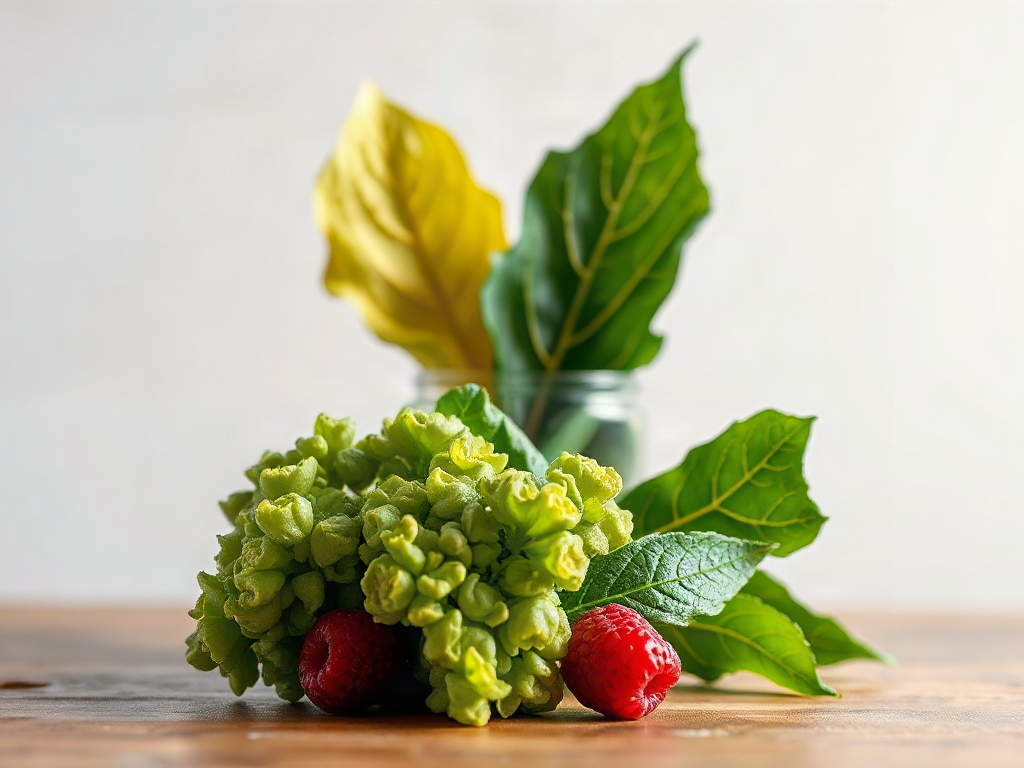
Anti ageing foods deserve realistic nutrition claims: berries, leafy greens, legumes, nuts, olive oil, and oily fish provide fiber, healthy fats, vitamins, and protective plant compounds, but none can stop biological ageing. Their credible value comes from improving overall dietary quality and helping maintain cardiovascular, metabolic, digestive, and muscle health over time. Results depend more on repeated eating patterns, adequate protein, energy balance, sleep, activity, and smoking exposure than on any single ingredient. Treat “age-reversing,” detoxifying, and supplement-style promises cautiously, especially when they rely on laboratory findings rather than meaningful outcomes in people.
What Can Food Realistically Change About Ageing?
Food can influence health and physical function during ageing, but it cannot make the body biologically young again. The useful question is whether a dietary pattern helps preserve muscle, bone, blood-vessel function, metabolic health, digestion, and adequate nutrient intake. Those outcomes affect independence and quality of life more directly than cosmetic promises about turning back a biological clock.
Ageing is shaped by accumulated cellular damage, genetics, hormones, immune activity, environmental exposures, illness, and daily behavior. Foods supply amino acids, essential fats, vitamins, minerals, fiber, and plant compounds that participate in normal repair and protective processes. For example, vitamin C is required for collagen formation, dietary protein provides building blocks for muscle tissue, and fiber feeds intestinal microbes while helping regulate bowel function. Supplying these materials is not the same as reversing every age-related change.
Antioxidants illustrate why wording matters. Colorful plants contain compounds that can interact with oxidative processes, and dietary antioxidants are biologically relevant. Yet oxidation also has normal signaling and immune functions, so the aim is not to remove every reactive molecule. A laboratory experiment showing that an extract neutralizes oxidation does not establish that eating that ingredient extends human life, erases wrinkles, or prevents disease.
The strongest practical case concerns patterns rather than isolated products. A meal of lentils, vegetables, olive oil, and whole grains delivers protein, fiber, unsaturated fat, minerals, and multiple plant compounds at once. A sweetened drink containing one added antioxidant may display a similar compound on its label while also providing little fiber or satiety. Judging the whole nutritional package prevents a prominent ingredient from distracting from added sugars, excess sodium, or low protein.
A common mistake is expecting visible short-term evidence that a food is “working.” Energy, bowel regularity, meal satisfaction, strength, and clinical measures followed with a healthcare professional are more informative than claims of cellular renewal. Skin appearance, meanwhile, is also affected by ultraviolet exposure, smoking, hydration status, sleep, genetics, and dermatologic care. Nutrition may contribute to normal skin structure, but a serving of berries cannot cancel prolonged sun exposure or replace appropriate medical care.
Which Foods Have the Strongest Case?
The most defensible choices are ordinary foods that improve overall diet quality, not rare ingredients marketed with longevity language. Vegetables, fruit, beans, lentils, whole grains, nuts, seeds, fish, fermented dairy or suitable alternatives, and unsaturated oils each solve a different nutritional problem. Variety matters because no single category supplies enough protein, fiber, essential fats, vitamins, and minerals by itself.
Berries, dark leafy vegetables, tomatoes, peppers, cruciferous vegetables, and deeply colored fruit provide different mixtures of carotenoids, polyphenols, vitamin C, folate, and other nutrients. Their value does not require ranking one plant as the most powerful antioxidant. Frozen berries and vegetables remain practical options when fresh produce is expensive or perishable. Canned tomatoes, beans, and fish can also be useful; compare sodium, added syrup, and oil where those details affect the meal.
Legumes deserve attention because they combine fiber, plant protein, potassium, and folate in an affordable form. They can replace part of the refined starch or processed meat in a meal rather than simply being added to an already large plate. Someone new to beans may tolerate them better by starting with a modest portion, rinsing canned beans, and increasing intake gradually. Sudden large increases in fiber can cause discomfort, particularly when fluid intake is low.
Nuts, seeds, extra-virgin olive oil, avocado, and oily fish supply unsaturated fats. Fish also offers protein, and certain species provide long-chain omega-3 fats. These foods are energy-dense, which is helpful for a person with poor appetite but may require portion awareness for someone managing energy intake. The relevant comparison is often olive oil instead of butter, or nuts instead of confectionery—not olive oil added without limit because it carries a healthy reputation.
Protein becomes especially practical when preserving muscle is the goal. Eggs, fish, poultry, yogurt, tofu, tempeh, beans, lentils, and other protein-rich foods can be distributed across meals rather than concentrated at dinner. A breakfast of yogurt with berries and nuts generally contributes more protein and nutrient variety than juice and toast alone. Individual protein needs vary with body size, activity, illness, kidney function, and appetite, so people with medical restrictions should obtain personalized advice rather than adopting a high-protein plan from a longevity influencer.
| Food group | Useful contribution | Practical use | Claim to question |
|---|---|---|---|
| Colorful produce | Fiber, vitamins, carotenoids, polyphenols | Use several colors across the week | One fruit reverses cellular ageing |
| Beans and lentils | Fiber, protein, minerals | Replace part of refined starch or meat | A detox food removes accumulated toxins |
| Nuts and olive oil | Unsaturated fats and energy | Substitute for less favorable fat sources | Unlimited portions produce greater benefits |
| Fish, eggs, dairy, or soy foods | Protein and food-specific micronutrients | Spread protein sources through the day | More protein is appropriate for everyone |
How Should You Judge an Anti Ageing Claim?
A credible claim identifies a measurable nutritional role and acknowledges uncertainty. “Contains vitamin C, which is needed for normal collagen formation” is narrower and more defensible than “restores youthful skin.” The first describes an established nutrient function; the second leaps from a mechanism to a visible outcome that depends on many variables.
Check what kind of evidence sits behind the wording. Cell and animal research can reveal possible mechanisms, but it cannot establish the same effect in a free-living person eating a normal diet. Human observational research can identify associations, although people who eat more vegetables may also exercise, smoke less, sleep differently, or have better access to healthcare. Controlled trials can test more specific effects, but duration, dose, participant health, and the outcome measured determine how broadly the result applies.
Products often magnify a small truth. A powder may contain anthocyanins from berries, for example, then imply that concentrated intake slows ageing throughout the body. That conclusion does not automatically follow. Processing may remove fiber, the tested dose may not resemble a normal serving, and a blood marker may not translate into longer life or better daily function. Whole berries also provide water, fiber, and a recognizable portion, while a powder can be expensive and easy to consume in large amounts.
Use a compact claim check before paying a premium:
- Name the promised outcome. Is it normal nutrient function, a clinical result, appearance, or lifespan?
- Identify the evidence level. Look for relevant human research rather than relying only on cells, animals, testimonials, or before-and-after images.
- Compare the product with food. Check fiber, protein, added sugar, sodium, dose, price, and convenience.
- Look for absolute language. “Reverses,” “detoxifies,” “erases,” and “guarantees” should prompt skepticism.
- Check personal risk. Supplements and concentrated extracts may interact with medicines or be unsuitable with certain health conditions.
Failure usually looks like displacement: an expensive drink replaces a balanced breakfast, supplements substitute for vegetables, or attention to one “superfood” obscures low protein and low total food intake. Success is less dramatic. Groceries become more varied, meals contain recognizable protein and plants, digestion remains comfortable, and the pattern is affordable enough to continue. Anyone considering concentrated supplements for a diagnosed condition, medication interaction, or deficiency should discuss the decision with a qualified clinician or pharmacist.
Building a Practical Eating Pattern for Healthy Ageing
A workable pattern begins with recurring meals, budget, appetite, cooking ability, and medical needs. Perfection is not required, but repeated gaps matter. Someone who eats vegetables at dinner yet routinely skips breakfast and lunch may still fall short on energy and protein. Conversely, adding costly powders to nutritionally complete meals may increase expense without addressing a meaningful gap.
Build meals around three functions: a protein source, a fiber-rich plant, and an appropriate energy source. A bowl might combine lentils, roasted vegetables, brown rice, and olive-oil dressing. A quick meal could use canned salmon, whole-grain bread, tomatoes, and fruit. For a smaller appetite, yogurt with berries, ground nuts, and oats puts several food groups into a manageable volume. These are templates rather than prescriptions; allergies, cultural preferences, chewing difficulties, gastrointestinal tolerance, and household cost all change the best choice.
Substitution produces clearer value than indiscriminate addition. Replace some processed snack foods with fruit and nuts, use beans in place of part of the meat in a stew, or choose unsaturated oil instead of a solid fat for suitable cooking. Adding nuts, avocado, oil, and smoothies on top of an unchanged diet may be counterproductive when energy intake is already more than needed. For an undernourished older adult, however, that extra energy can be useful. The same food can serve different purposes depending on context.
Preparation affects adherence more than novelty. Frozen vegetables reduce spoilage, canned beans shorten cooking time, and batch-cooked grains can support several meals. People living alone may benefit from single-portion frozen fish, eggs, or shelf-stable legumes rather than aspirational produce purchases that are discarded. A plan is failing when it creates persistent hunger, digestive distress, unwanted weight change, food anxiety, or unaffordable shopping bills.
Review the pattern over a week rather than grading each plate. Check whether several vegetable and fruit types appear, protein is present at more than one meal, fiber increased without persistent discomfort, and highly marketed products are replacing rather than merely supplementing lower-quality choices. Strength or resistance activity, adequate sleep, sun protection, avoiding tobacco, and appropriate healthcare remain separate parts of healthy ageing. Food works within that larger setting; it should not be asked to compensate for every other exposure.
Conclusion
Prioritize a varied eating pattern over a search for one age-defying ingredient. Colorful produce, legumes, nuts, seeds, unsaturated oils, whole grains, and suitable protein sources contribute different materials needed for normal function. Their value becomes clearer when they replace nutritionally weaker choices and remain affordable, enjoyable, and well tolerated.
Judge product promises by the outcome claimed, the type of human evidence available, the nutritional package, and personal safety considerations. Laboratory antioxidant activity is not proof of longer life, and concentrated supplements are not interchangeable with whole foods. Start by improving one repeated meal, distributing protein more deliberately, and using practical frozen or canned options where needed. Seek individualized guidance when illness, medication, swallowing difficulty, kidney concerns, or unintended weight change complicates the decision.
Frequently Asked Questions
Can any food reverse ageing?
No food has been shown to reverse the full biological ageing process. A nutritious pattern may help preserve health and function, but claims of age reversal usually extend beyond the available human evidence.
Are berries the best anti ageing food?
Berries provide fiber, vitamin C, and polyphenols, but they are not a complete solution. Their contribution is strongest alongside vegetables, legumes, protein-rich foods, whole grains, and unsaturated fats.
Are antioxidant supplements equivalent to whole foods?
No. Supplements deliver selected compounds without the full food matrix, and higher doses are not automatically better. Concentrated products may also create medication or health-condition concerns.
Does collagen-rich food make skin look younger?
Dietary protein supplies amino acids used throughout the body, but eating collagen does not guarantee younger-looking skin. Sun exposure, smoking, sleep, genetics, and total nutrition also affect appearance.
Is fresh produce better than frozen produce for healthy ageing?
Not necessarily. Frozen produce can be nutritious, economical, and easier to store. Choose the form that helps you eat a wider variety consistently while watching added sugar, sauces, and excess sodium.
Additional Resources
Authoritative Sources
- Plant Fortification of the Diet for Anti-Ageing Effects: A Review
pubmed.ncbi.nlm.nih.govBy DS Dhanjal · 2020 · Cited by 73 — Dietary antioxidants such as adaptogens, anthocyanins, vitamins A/D/C/E and isoflavones slow the ageing phenomena by reducing ROS production in ... Read more