
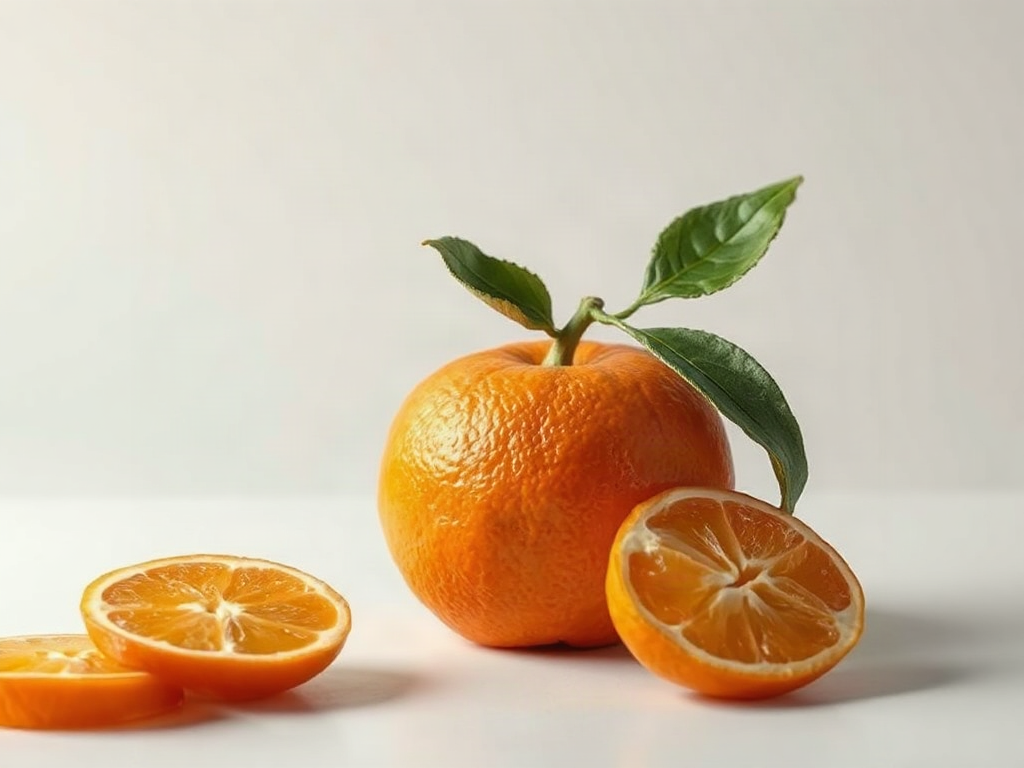
For most adults, a practical clementine portion is one or two fruits, depending on appetite, meal context, and carbohydrate needs. Clementine nutrition includes vitamin C, naturally occurring sugar, water, and about 1 gram of fiber per fruit, while the University of Minnesota lists one clementine at roughly 35 calories and 9 grams of carbohydrate. Eating the whole fruit preserves its fiber and requires more chewing than drinking juice. Portion count matters because several small clementines can collectively provide much more sugar and carbohydrate than expected.
What Is in One Clementine?
A clementine is a small citrus fruit that supplies carbohydrate, water, vitamin C, and a modest amount of dietary fiber. The University of Minnesota’s Real Life, Good Food resource lists one clementine at approximately 35 calories, 9 grams of carbohydrate, 1 gram of protein, and 1 gram of fiber. It also identifies the fruit as a notable source of vitamin C. Exact values can shift with fruit size, variety, maturity, and the edible portion left after peeling.
Most of the clementine’s calories come from carbohydrate. That category includes naturally occurring sugars as well as fiber, so total carbohydrate and total sugar are not interchangeable figures. The fruit contains very little fat and is not a substantial protein source. Its main nutritional role is therefore different from that of nuts, eggs, yogurt, beans, or other foods that contribute more protein or fat.
The whole fruit’s structure affects how it is eaten. Clementine segments contain juice within plant tissue, while membranes and bits of white pith contribute fiber. Peeling and chewing the fruit generally create a more defined eating experience than sipping an equivalent citrus beverage. The fruit’s water and segment-by-segment format may also make one or two clementines feel more substantial than their calorie count suggests, although fullness varies among individuals.
| Food or Portion | What It Contributes | Practical Limitation |
|---|---|---|
| One whole clementine | About 35 calories, 9 grams of carbohydrate, 1 gram of fiber, and vitamin C | Minimal protein and fat |
| Two whole clementines | Twice the fruit portion and approximately twice the listed nutrients | May be less filling than a mixed snack |
| Clementine juice | Fluid, carbohydrate, and some micronutrients | Usually less fiber and easier to consume quickly |
| Clementine with yogurt or nuts | Fruit carbohydrate plus protein or fat from the accompanying food | Serving size and added ingredients still matter |
A common mistake is treating a clementine as nutritionally complete because it is rich in vitamin C. It is better viewed as one component of a snack or meal. One fruit may fit neatly beside breakfast, while a more sustaining afternoon snack could combine two clementines with unsweetened yogurt or a small portion of nuts. The useful question is not whether the fruit is universally “good” or “bad,” but what else the eating occasion needs.
How Much Sugar Do Clementines Contain?
Clementines contain natural fruit sugar, but the exact amount depends on the size and composition of the individual fruit. A small clementine and a larger specimen should not be assumed to contain identical amounts. Nutrition databases and packaged-fruit labels can offer useful estimates, yet they still describe an average or declared serving rather than a laboratory measurement of the fruit in hand.
Sugar should be interpreted within the whole food rather than isolated from it. In an intact clementine, sugar is consumed with water, fiber, and cellular structure. The fruit must also be peeled and chewed. That context differs from a sweetened citrus drink, where added sugar may be present and a larger carbohydrate load can be consumed rapidly. It also differs from strained juice, which generally retains less fiber than the whole segments.
The Nutrition Facts label separates total sugars from added sugars. FDA guidance explains how serving size, total carbohydrate, dietary fiber, total sugars, and added sugars appear on packaged-food labels. A plain clementine contains intrinsic fruit sugar rather than added sugar. A canned citrus cup, bottled smoothie, flavored yogurt with citrus, or fruit drink may contain sweeteners, however, so the ingredient list and added-sugars line deserve attention.
For example, someone packing three clementines because each fruit looks small is eating roughly three times the nutrients and carbohydrate represented by a one-fruit estimate. That may be perfectly workable after physical activity or as part of a larger meal, but it is not the same portion as one fruit. Conversely, avoiding clementines solely because they taste sweet overlooks the difference between whole fruit and foods formulated with concentrated or added sweeteners.
People who monitor carbohydrate for diabetes or another medical reason should count the portion they actually eat and use their clinician’s or dietitian’s individualized plan. Fruit does not become carbohydrate-free because its sugars are naturally occurring. A practical check is to note the number and approximate size of the fruits, rather than relying on the vague category of “a little fruit.” If a chosen portion repeatedly fails to fit personal glucose targets, the next step may be adjusting the amount or eating it with a balanced meal—not assuming every person requires the same restriction.
Does a Clementine Provide Enough Fiber?
One clementine contributes some fiber, but it is not a high-fiber meal by itself. The University of Minnesota lists approximately 1 gram of fiber per fruit. That contribution is useful, especially when repeated whole-food choices accumulate across the day, yet it should not replace more substantial fiber sources such as beans, lentils, oats, whole grains, vegetables, nuts, seeds, and larger fruits.
Fiber is part of the reason whole clementines and clementine juice are not nutritionally equivalent. The membranes surrounding the segments and portions of the white pith contain plant material that is often lost when juice is extracted and strained. Removing every trace of pith is unnecessary. Eating the segments intact preserves more of the fruit’s original structure, although a single fruit still supplies only a modest fiber amount.
Consider two breakfast patterns. A clementine beside sweetened juice and refined toast adds some vitamin C and fiber, but the meal remains relatively light in both protein and fiber. A clementine served with oatmeal, chia seeds, and plain yogurt has a different nutritional balance: oats and seeds contribute additional fiber, while yogurt contributes protein. The clementine supplies citrus flavor and sweetness without having to carry the entire meal nutritionally.
The opposite mistake is multiplying the portion simply to obtain more fiber. Eating four or five clementines would increase fiber, but it would also increase total carbohydrate and sugar while providing little protein or fat. Choosing a concentrated fiber source alongside one or two fruits is often more balanced. Beans at lunch, vegetables at dinner, or nuts with the clementine can diversify both nutrients and textures.

A useful sign that the approach is working is that fruit fits comfortably into meals without displacing other needed food groups. If a person remains hungry soon after eating clementines alone, the likely issue is not that the fruit “failed”; the snack may simply lack protein, fat, or enough total food. Sudden large increases in total dietary fiber can also cause digestive discomfort for some people. Increase fiber-rich foods gradually and maintain adequate fluid intake, especially if the previous diet contained little fiber.
How Many Clementines Make a Reasonable Portion?
One or two clementines is a practical starting portion for many adults, but portion needs are not universal. Fruit size, age, appetite, activity, the rest of the meal, and individual carbohydrate goals all affect the decision. Children may receive one small fruit with other snack foods, while an active adult may comfortably include two or more as part of a meal.
The simplest method is to match the fruit portion to the eating occasion. One clementine can provide a fresh finish after lunch when the meal already contains protein, vegetables, and a substantial carbohydrate source. Two clementines may make sense when fruit is the main carbohydrate in a snack. If clementines are being eaten alone and hunger returns quickly, adding a complementary food is usually more useful than repeatedly adding more fruit.
A Portion Check for Real Meals
- Count the fruits. Small size makes it easy to lose track when several are peeled at once.
- Check the context. Decide whether the clementines are a garnish, dessert, snack, or main carbohydrate source.
- Add what is missing. Pair the fruit with plain yogurt, cottage cheese, nuts, seeds, or another suitable protein-rich food when greater staying power is needed.
- Review packaged versions. For cups, juices, or smoothies, read the declared serving size, total carbohydrate, fiber, and added sugars.
- Adjust from experience. Use appetite, digestive comfort, and any clinician-directed glucose monitoring to refine the portion.
A lunchbox illustrates the tradeoff clearly. Two clementines with crackers may supply plenty of carbohydrate but relatively little protein. Replacing some crackers with cheese, hummus, or unsweetened yogurt changes the balance without requiring the fruit to be removed. For someone with a nut allergy, roasted chickpeas or another tolerated protein source may be a better companion than the frequently suggested handful of nuts.
Portioning also changes when fruit comes in a different form. A glass of juice can represent several fruits, yet it may not provide the same fiber or eating pace. A fruit cup packed in juice may differ from one packed in syrup. Dried citrus products, where available, concentrate the food by removing water and may include added sweeteners. Counting pieces without checking the label can therefore underestimate the actual serving.
The most common failure mode is assigning a health halo to an unlimited quantity. Clementines are nutrient-containing whole fruits, but more is not automatically better. Begin with a visible one- or two-fruit portion, then assess whether the meal needs more total food, a protein source, or a higher-fiber accompaniment. People following medically prescribed carbohydrate limits should defer to their individualized targets rather than a general serving suggestion.
Frequently Asked Questions
Are clementines high in sugar?
Clementines contain natural sugar, but describing them as high or low without considering fruit size and portion can mislead. Whole clementines also provide water, fiber, and vitamin C; count the number eaten if carbohydrate intake matters.
How many calories are in one clementine?
The University of Minnesota lists one clementine at about 35 calories. Actual fruit can vary in size, so treat that figure as a practical estimate rather than an exact measurement.
Do clementines have fiber?
Yes. One clementine provides approximately 1 gram of fiber. Eating the whole segments and some of the white pith preserves more fiber than choosing strained juice.
Are two clementines too many for one serving?
Two clementines can be a reasonable serving for many people, particularly as part of a meal or paired snack. Individual carbohydrate targets, fruit size, appetite, and medical guidance may call for a different amount.
Is clementine juice as nutritious as the whole fruit?
Juice may retain vitamin C and carbohydrate, but it generally provides less fiber and is easier to consume quickly. Whole clementines are usually the more useful choice when fiber and portion visibility are priorities.
Conclusion
Clementines work best as a clearly counted fruit portion rather than an unlimited snack or a complete meal. Use one fruit when citrus is a small part of breakfast or lunch, and consider two when fruit has a larger role in a snack. Keep the segments whole when possible so the membranes and pith remain part of the serving.
Pay closer attention when the fruit is juiced, packed in syrup, blended into a sweetened product, or eaten several at a time. Those forms can change fiber, added sugar, eating speed, and portion visibility. If clementines alone do not keep hunger satisfied, pair them with a suitable source of protein or fat instead of simply increasing the count. Anyone managing carbohydrate under a clinical plan should use the portion and monitoring approach established with a qualified healthcare professional.
Additional Resources
Authoritative Sources
- How to Understand and Use the Nutrition Facts Label
fda.govMar 5, 2024 — Serving sizes are Calories 280 560 Total Fat. Total Carbohydrate 34g 12% 68g 24% Dietary Fiber 4g 14% 8g 29% Total Sugars 6g 12g Added Sugars ...
- Clementines | Real Life, Good Food
reallifegoodfood.umn.eduClementines contain antioxidants that can prevent type 2 diabetes. 1 clementine = 35 calories, 1 g protein, 9 g carbohydrates, 1 g fiber, 40% DV vitamin C. Read more