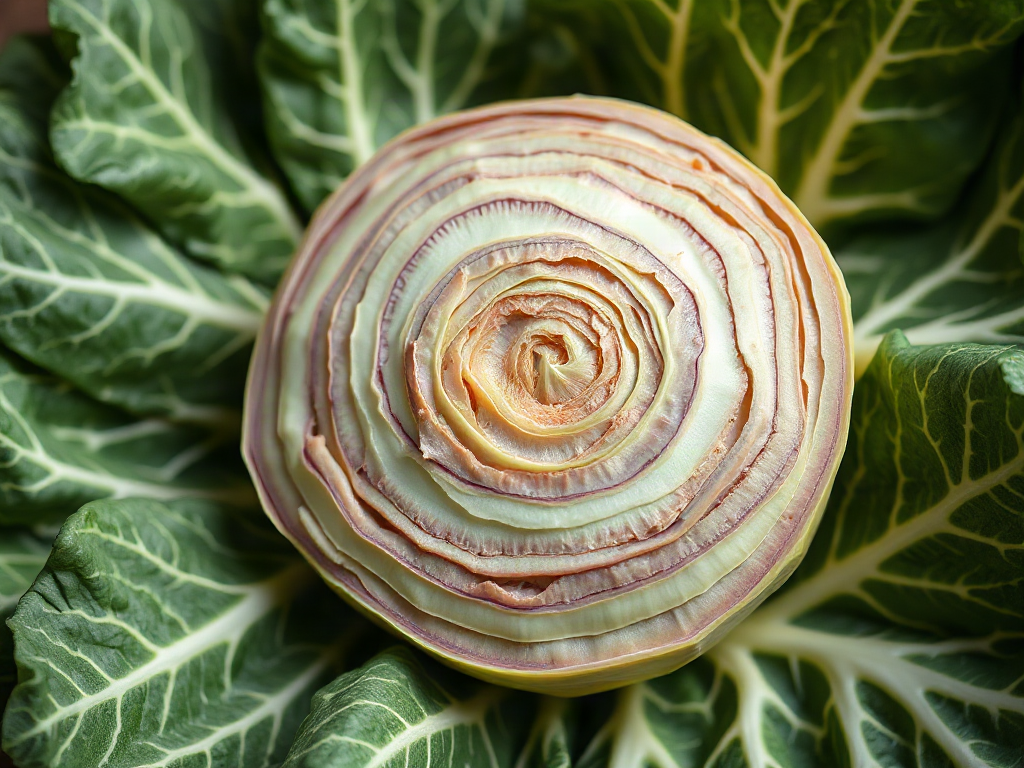
Cabbage nutrition centers on fiber, vitamin C, vitamin K, folate, and protective plant compounds, while cooking effects vary with heat, water, and preparation time. Raw cabbage generally retains more heat-sensitive vitamin C, whereas steaming, microwaving, or brief sautéing usually preserves more nutrients than prolonged boiling. Cooking softens the vegetable’s structure, reduces volume, and may make a larger serving easier to eat, but water-soluble vitamins can leach into discarded cooking liquid. Red, green, and savoy varieties have somewhat different nutrient and phytochemical profiles, so the best choice is the type and preparation you will eat regularly as part of a varied diet.
Which Nutrients Does Cabbage Provide?
Cabbage supplies substantial nutritional value without contributing much energy, but its strongest features are not protein or a broad spectrum of minerals. Its more notable components include vitamin C, vitamin K, folate, fiber, and naturally occurring compounds characteristic of cruciferous vegetables. The precise amount of each nutrient changes with the variety, serving weight, growing conditions, storage, and whether the cabbage is measured raw or cooked.
Vitamin C contributes to normal collagen formation, antioxidant protection, and the absorption of non-heme iron from plant foods. Vitamin K is involved in normal blood clotting and bone-related processes. Folate supports cell division, while fiber adds bulk and provides substrate for intestinal microbes. Cabbage also contains glucosinolates, sulfur-containing compounds responsible for some of its sharp aroma and flavor. Cutting or chewing damages plant cells and brings enzymes and glucosinolates together, initiating the formation of other bioactive compounds.
A serving label can be misleading if volume is treated as though it were a fixed nutritional unit. A cup of loosely chopped raw cabbage weighs less than a cup of compact cooked cabbage. Cooking collapses the leaves, so the cooked cup may contain much more cabbage by original weight. A comparison that shows more of a heat-sensitive vitamin per cup after cooking may therefore reflect greater food density rather than actual vitamin creation.
For practical meal planning, cabbage works best as a vegetable component rather than as a complete meal. A slaw made with cabbage, carrots, beans, and a seed-based dressing supplies a different nutritional balance from plain cabbage because the beans add protein and iron while the seeds contribute fat and minerals. In a stir-fry, pairing cabbage with tofu, eggs, fish, or poultry likewise addresses nutrients that cabbage provides only in modest amounts.
The common mistake is assigning medicinal effects to a single vegetable. Cabbage may contribute to a nutrient-rich eating pattern, but it should not be assumed to treat disease or compensate for an otherwise limited diet. People taking warfarin or another vitamin K–sensitive anticoagulant should discuss dietary consistency with their clinician rather than abruptly adding or removing large amounts of cabbage.
How Do Green, Red, and Savoy Cabbage Compare?
Green, red, and savoy cabbage share a similar cruciferous-vegetable foundation, yet their pigments, texture, flavor, and cooking behavior create meaningful differences. The best variety depends less on a single nutrient ranking and more on the dish, the intended texture, and whether the cabbage will be eaten raw or heated.
Green cabbage has dense, firm leaves and a clean peppery flavor. It holds up well in soups, sautés, braises, and fermented preparations. Red cabbage gets its purple-red color from anthocyanin pigments, a class of plant compounds also found in other red, blue, and purple produce. It is useful when color and crunch matter, although its pigment can bleed during cooking. Acidic ingredients such as vinegar or lemon juice tend to maintain a brighter red tone, while alkaline conditions can shift it toward blue.
Savoy cabbage has crinkled, tender leaves and a milder texture. It is often easier to wrap around fillings and needs less cooking than a tightly packed green cabbage. Napa cabbage, although shaped differently, is another cabbage option with pale ribs and delicate leaves suited to quick stir-frying, soups, or fermentation. These differences affect preparation more obviously than they establish a universally superior choice.
Color variety is a sensible food-selection strategy because pigments indicate different plant compounds, but darker color does not make every nutrient higher. Red cabbage may offer anthocyanins that green cabbage lacks in meaningful quantities, while the actual vitamin content still depends on freshness, storage, and serving size. Choosing red cabbage for antioxidants but then leaving most of it uneaten is less useful than selecting green or savoy cabbage that fits familiar meals.
Freshness can matter as much as variety. Look for a head that feels heavy for its size, with crisp leaves and no extensive browning, slime, or sour odor. Keep it cold and cut only what is needed. Once cabbage is shredded, more surface area is exposed to oxygen and damaged plant tissue loses moisture more quickly. Pre-cut cabbage is convenient and can still be nutritious, but a whole head generally keeps its texture longer.
A workable household approach is to use green cabbage for long-cooked dishes, savoy or napa for fast cooking, and red cabbage for raw salads or short cooking where its color remains visible. Rotating varieties expands flavor and phytochemical diversity without requiring supplements or complicated nutrient calculations.
How Does Cooking Change Cabbage Vitamins?
Cooking changes cabbage through three main forces: heat, contact with water, and time. Heat can degrade sensitive compounds, water can carry soluble nutrients out of the leaves, and longer exposure generally creates more opportunity for both effects. The result is not that cooked cabbage becomes nutritionally empty; rather, its nutrient profile, texture, concentration, and digestibility differ from those of raw cabbage.
Vitamin C and folate are water-soluble and comparatively vulnerable to processing. When cabbage is boiled in abundant water, part of these nutrients may move into the liquid. Discarding that water discards what has leached into it. Using the broth in a soup or stew retains those dissolved nutrients within the meal, although heat-related degradation can still occur. Vitamin K is fat-soluble and generally less susceptible to water loss than vitamin C, but measured retention still varies by method and duration.
A peer-reviewed vegetable-cooking study available through PubMed Central compared methods including boiling, blanching, steaming, and microwaving. Its broader practical lesson is that cooking method and vegetable type both influence vitamin retention; no method preserves every vitamin under every condition. That supports a more useful decision than labeling all cooked vegetables inferior: minimize unnecessary water and excessive cooking when vitamin retention is a priority.
| Preparation | Typical Nutrient Consideration | Best Practical Use |
|---|---|---|
| Raw | Avoids heat loss but cutting and storage still affect quality | Slaw, salads, wraps, and garnishes |
| Steamed | Limits direct contact with water and allows short cooking | Tender cabbage wedges or side dishes |
| Microwaved | Can use little water and a brief heating period | Fast preparation of small portions |
| Sautéed | Uses little water, though high heat and long cooking can cause losses | Stir-fries and skillet meals |
| Boiled | Creates more opportunity for water-soluble nutrients to leach | Soups or dishes that retain the liquid |
Heat also softens cellulose-rich plant structure, reduces the volume of the leaves, and changes flavor. Someone who finds a large raw salad difficult to chew may comfortably eat a more substantial quantity after gentle cooking. Conversely, cooking cabbage until gray, waterlogged, and sulfurous signals excessive heat exposure and usually produces poor texture as well as avoidable nutrient loss.
Glucosinolates and the plant enzyme myrosinase add another layer. Chopping starts enzymatic reactions, while strong heat can inactivate the enzyme and alter related compounds. Research on these compounds is complex, and laboratory changes should not be translated into guaranteed health outcomes. A varied pattern that includes both raw and gently cooked cruciferous vegetables avoids relying on one preparation method to maximize every compound.
Which Cooking Method Should You Choose?
The most useful cooking method is the shortest method that produces a texture you enjoy and fits the final dish. Steaming or microwaving is a strong choice when limiting water contact matters. Sautéing works when browning and flavor are priorities. Boiling is reasonable for soup because the liquid remains part of the meal, but it is a weaker choice when cabbage is drained after prolonged cooking.
Start by cutting the cabbage into reasonably even pieces so they finish at the same time. Thick wedges need longer than thin shreds, and an uneven mix encourages overcooking the small pieces while waiting for the larger ones to soften. Remove a damaged outer leaf and rinse the cabbage under clean running water. Soaking shredded cabbage for a long period is unnecessary and creates another opportunity for water-soluble components to move into the water.
For a quick side dish, steam wedges or broad ribbons only until tender enough to pierce while they still retain structure. For a skillet meal, add thinly sliced cabbage after slower-cooking ingredients have begun to soften. A small amount of oil carries flavor and helps make the meal satisfying; it does not need to become a heavy, oil-dominated preparation. In soup, add cabbage late if a firmer texture is preferred or earlier if it should blend into the broth.
Use this compact priority check when deciding how to prepare it:
- Match the cut to the method: shreds for fast heat, wedges for steaming or braising.
- Limit unnecessary water: steam, microwave, or use cooking liquid in the dish.
- Stop at the intended texture: tender-crisp for salads and stir-fries, softer for soups and fillings.
- Build a complete meal: add a protein source, other vegetables, and a suitable fat or dressing.
- Vary preparation: alternate raw, lightly cooked, and fermented cabbage rather than treating one form as mandatory.
Fermentation is a separate process rather than a simple cooking method. Sauerkraut and kimchi can provide distinctive flavors and fermentation products, but commercial versions vary in sodium and may be pasteurized. They should not automatically be treated as nutritionally interchangeable with fresh cabbage. Check the ingredient and nutrition labels if sodium intake or live cultures influence the purchase.
Signs that the method is working include an appealing texture, recognizable cabbage flavor, and a preparation you will use again. Persistent bitterness, excess cooking water, faded color, mushiness, or a strong sulfur smell suggest that the cabbage was cooked too long or held hot after it was ready. Adjusting the cut size and checking several minutes earlier often solves the problem more effectively than changing varieties.
Frequently Asked Questions
Is Raw Cabbage More Nutritious Than Cooked Cabbage?
Raw cabbage usually retains more heat-sensitive vitamin C, but gentle cooking can make it easier to chew and consume in a larger portion. Eating both raw and lightly cooked cabbage offers practical variety.
Does Boiling Cabbage Remove Its Vitamins?
Boiling can move vitamin C, folate, and other water-soluble components into the cooking water. It does not remove every nutrient, and using the liquid in soup keeps leached nutrients in the meal.
Which Color of Cabbage Is Healthiest?
No single color is best in every respect. Red cabbage supplies anthocyanin pigments, while green and savoy cabbage offer different textures and culinary uses. Variety and regular intake matter more than declaring one winner.
Does Microwaving Destroy Cabbage Nutrients?
Brief microwaving with little water can preserve nutrients well compared with lengthy boiling. Nutrient loss depends on heating time, water quantity, temperature, and how small the cabbage is cut.
Can Cabbage Be Eaten Every Day?
Cabbage can fit into regular meals, but it should be part of a varied vegetable intake. Anyone managing a vitamin K–sensitive medication or a condition affected by major dietary changes should seek individualized clinical advice.
Conclusion
Cabbage earns a useful place in meals through its fiber, vitamins C and K, folate, and range of cruciferous plant compounds. Nutritional differences among red, green, savoy, and napa cabbage are worth noticing, but freshness, serving weight, preparation, and how much is actually eaten often matter more than small nutrient-ranking differences.
Use raw cabbage when crunch and minimal heat exposure are priorities. Choose steaming, microwaving, or quick sautéing for a softer texture with limited water contact, and reserve prolonged boiling for dishes that keep the cooking liquid. Cut pieces evenly, stop cooking before the leaves become waterlogged, and combine cabbage with protein-rich foods and other vegetables. Rotating raw, gently cooked, and fermented preparations is a realistic way to gain culinary variety without expecting any single form to deliver every possible nutritional advantage.
Additional Resources
Authoritative Sources
- Effect of different cooking methods on the content of vitamins ...
pmc.ncbi.nlm.nih.govBy S Lee · 2017 · Cited by 451 — This study evaluated the effect of different cooking methods including blanching, boiling, microwaving and steaming on the content of vitamins in vegetables. Read more
- Cabbage-Family Vegetables Nutritional Value and Recipes
ingenaes.illinois.eduBy A Kowalewska · 2018 · Cited by 1 — Cabbage-family vegetables provide many vitamins and minerals, such as vitamins A, C, K, and B6, folates, calcium, potassium, phosphorous, iron, and magnesium. Read more
- Facts for Cabbage
agr.wa.govCabbage is an excellent source of vitamin K. 1 cup (150 grams) of shredded, boiled cabbage contains 91% of the recommended daily amount of vitamin K. Cabbage ... Read more