
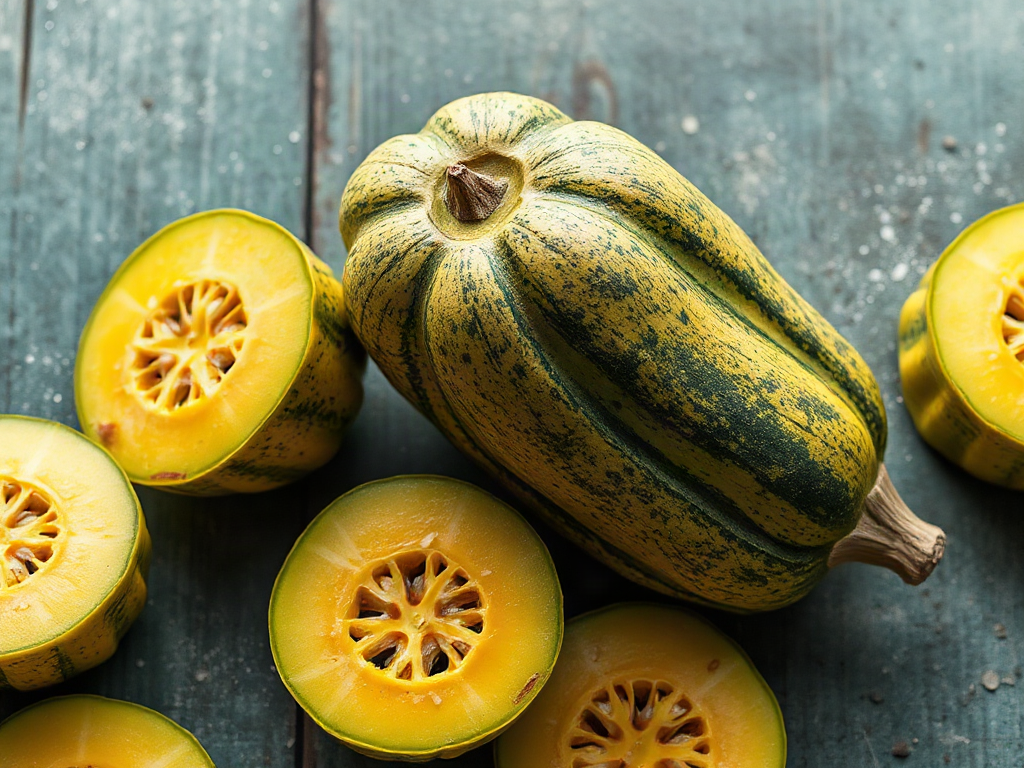
Chayote squash combines high water content, dietary fiber, vitamin C, folate, and potassium with simple preparation methods such as slicing it raw, steaming, sautéing, roasting, or adding it to soups. Its mild flavor and crisp-to-tender texture make it useful where potatoes, zucchini, cucumber, or other firm vegetables might normally appear. Wash the fruit, trim the ends, and cut it safely on a stable board; peeling and seed removal are optional for young chayote. Avoid prolonged boiling if you want a firmer texture, and pair chayote with beans, eggs, fish, whole grains, or another protein for a more substantial meal.
What Nutrients Does Chayote Provide?
Chayote is best viewed as a hydrating, low-energy vegetable rather than a concentrated source of protein, fat, or calories. Much of the fruit is water, while its flesh contributes dietary fiber and several micronutrients, including vitamin C, folate, and potassium. The exact nutrient contribution changes with fruit size, serving size, growing conditions, and cooking method, so chayote should not be treated as a stand-alone nutritional solution.
Its fiber and water are especially relevant to how chayote fits into a meal. They add volume without the starch density of potatoes, rice, or winter squash. Replacing all of a starchy food with chayote therefore changes both texture and energy content. A plate of sautéed chayote may look substantial but may not remain satisfying for long unless it also includes protein, fat, or a fiber-rich carbohydrate such as beans or brown rice.
Vitamin C is sensitive to heat and cooking water. Raw chayote generally retains more of this heat-sensitive vitamin than chayote that is boiled for a long time and drained. Steaming briefly, microwaving with little water, or sautéing until just tender limits contact with cooking water. This does not make cooked chayote nutritionally poor: cooking softens the firm flesh, may make a larger portion easier to eat, and can improve its usefulness in a complete meal.
Folate contributes to normal cell division, while potassium participates in fluid balance and normal muscle and nerve function. Those nutrients occur across many foods, including beans, leafy greens, citrus, potatoes, and other vegetables. Chayote adds dietary variety, but it should not be presented as a treatment for a deficiency or health condition. Anyone following a medically prescribed potassium restriction should ask a qualified clinician or dietitian how chayote fits into the prescribed limit.
A common misconception is that a vegetable needs unusually high nutrient levels to be worthwhile. Chayote’s practical strength is its combination of mild flavor, moisture, fiber, and adaptability. It can increase the vegetable portion of soups, egg dishes, stir-fries, and salads without dominating them. For nutritional variety, use it alongside deeply colored produce rather than letting it replace every other vegetable. Chayote with tomatoes, peppers, greens, carrots, or citrus-based dressing creates a broader mix of plant compounds and flavors.
How to Select, Store, and Cut Chayote
Choose chayote that feels firm and heavy for its size, with skin free from extensive soft spots, deep cuts, or visible decay. Minor grooves and surface irregularities are normal. Smaller, younger fruit often have more tender skin and a subtler seed, while large or mature specimens may be more fibrous and require peeling. A shriveled surface usually signals moisture loss and a less crisp texture, although the fruit may still work in a soup if it has no mold or rot.
Keep uncut chayote dry and refrigerated, preferably in a produce drawer or loosely closed bag that reduces moisture loss without trapping heavy condensation. Do not wash it before storage unless it can be dried thoroughly. Once cut, refrigerate it in a covered container and use it promptly; discard pieces that develop slime, mold, a fermented odor, or extensive softening. A firm texture and fresh, mild smell indicate that it remains suitable for preparation.
For safer cutting, place the chayote on a stable board and use a sharp chef’s knife. Its rounded, grooved shape can shift beneath a dull blade. Wash and dry the surface, trim a thin slice from each end, then cut the fruit lengthwise. Placing each half cut-side down creates a flatter base for slicing or dicing. The pale seed is edible and tender in many fruit, so removing it is a preference rather than a universal requirement.
Peeling also depends on maturity and the intended dish. Thin, unblemished skin can remain on young chayote for roasting, sautéing, or shredding. Peel thick or tough skin with a vegetable peeler or paring knife. Some chayote release a sticky sap during peeling that can leave a temporary film on the hands. Peeling under cool running water or wearing kitchen gloves can reduce the residue. Take extra care around the wet fruit because rinsing makes it slippery.
A useful cutting checklist is:
- For raw salads: use thin matchsticks, ribbons, or a coarse shred so the firm flesh is comfortable to chew.
- For quick sautéing: cut even slices or small cubes to prevent browned edges and hard centers.
- For roasting: use thicker wedges or cubes, then leave space between pieces so moisture can escape.
- For soups: add bite-size pieces according to the desired texture, using larger pieces for longer simmering.
The usual cutting failure is uneven size. Tiny pieces become soft while larger ones remain crunchy, making it difficult to judge doneness. Match the cut to the cooking time before seasoning or heating the pan.
Which Preparation Method Works Best?
The best preparation method depends on whether the dish needs fresh crunch, gentle tenderness, browned flavor, or broth absorption. Chayote has a restrained taste, so texture and seasoning determine much of the result. Salt alone can leave it flat; acidity, aromatics, herbs, or chile provide contrast without requiring a heavy sauce.
Raw or Briefly Blanched
Young chayote can be eaten raw when washed and cut thinly. Shredded flesh works in a slaw with lime juice, cabbage, cilantro, and a modest amount of oil. A raw preparation preserves crispness but can seem hard when the pieces are thick. If full raw firmness is unappealing, blanch thin slices briefly and cool them immediately. The surface softens while the center stays crisp, producing a useful middle ground for salads.
Steamed, Microwaved, or Boiled
Steaming gives the cook more control over moisture than prolonged boiling. Arrange evenly cut pieces in a steamer and cook only until a knife enters with slight resistance. Microwaving in a covered dish with a small splash of water offers a similar result for a small portion. Boiling is useful when chayote will be mashed or incorporated into a soup, but leaving pieces in abundant water too long can produce a watery, muted result. If boiling, check early and drain promptly.
Sautéed or Stir-Fried
Sautéing suits thin slices and small cubes. Heat a broad pan, add a small amount of oil, and cook the chayote in a layer that permits evaporation. Garlic, onion, black pepper, cumin, ginger, or fresh chile can supply the flavor the mild flesh lacks. If the pan is crowded, released moisture accumulates and the pieces steam instead of browning. Cook in batches when necessary, then finish with lemon or lime juice to sharpen the flavor.

Roasted
Roasting concentrates flavor more than steaming, although chayote does not caramelize exactly like a starchier winter squash. Dry the cut surfaces, coat them lightly with oil and seasoning, and spread the pieces apart on a hot baking sheet. Adequate space matters more than excessive oil. When the pieces touch closely, trapped steam delays browning. Pair roasted chayote with paprika and garlic, or use herbs such as oregano and thyme.
Doneness is a culinary choice rather than a single fixed endpoint. Crisp-tender chayote works in stir-fries and salads, while softer pieces suit stews, purées, or fillings. The approach is failing if the exterior collapses before the center softens, liquid pools in the pan, or seasoning sits only on the surface. Smaller uniform cuts, more pan space, earlier salting for soup, or a final acidic ingredient can correct those problems.
How to Build a Balanced Meal With Chayote
Chayote works most effectively as the vegetable component of a meal, not as a direct nutritional replacement for protein or a substantial serving of carbohydrate. Its mild flesh readily takes on the flavors of other ingredients, which makes it flexible but also easy to serve without enough contrast or staying power. Build around it by considering protein, energy, fat, color, and seasoning.
For a quick skillet meal, sauté chayote with onion and peppers, then add black beans and serve the mixture with corn tortillas or brown rice. The beans contribute protein and additional fiber, while the grain or tortillas make the meal more substantial. A spoonful of avocado, seeds, or a small amount of cooking oil adds fat and carries spice flavors. If the goal is a lighter side dish rather than a complete meal, serve the same sauté beside fish, tofu, chicken, or eggs.
Chayote also performs well in broth-based dishes because it holds its shape better than zucchini when not overcooked. Add cubes to a bean soup or chicken soup after ingredients that need a long simmer, such as dried beans or tough cuts of meat, are already tender. This timing prevents the squash from becoming overly soft. Tomatoes, citrus, herbs, or chile can keep the broth from tasting bland, while leafy greens added near the end broaden the vegetable mix.
For breakfast or lunch, finely diced cooked chayote can be folded into scrambled eggs or an omelet with tomato and herbs. Leftover roasted pieces can be combined with lentils, greens, and a sharp vinaigrette. These uses are more practical than preparing a separate recipe whenever one fruit remains. Because chayote is high in moisture, cool cooked leftovers before covering them and avoid leaving them at room temperature for extended periods.
Substitution requires attention to the original ingredient’s function. Chayote can replace zucchini in many sautés and soups because both are mild, moist vegetables, although chayote usually stays firmer. It can replace cucumber in a slaw if a denser crunch is acceptable. It is less suitable as a one-for-one replacement for potato in a dish relying on starch for thickening, browning, or satiety. A chayote mash, for example, will generally be wetter and less fluffy than mashed potato unless combined with another ingredient.
The common meal-planning mistake is treating “low calorie” as synonymous with “balanced.” A large bowl of plainly steamed chayote may provide volume but little protein or energy. Look for signs that the meal has a clear protein source, enough food for the eater’s needs, varied produce, and seasoning that makes the vegetables enjoyable. If hunger returns quickly, increase the beans, eggs, fish, tofu, whole grain, or healthy fat rather than assuming chayote itself was prepared incorrectly.
Frequently Asked Questions
Can chayote squash be eaten raw?
Yes. Young, firm chayote can be washed and sliced thinly, shredded, or cut into matchsticks for salads and slaws. Thick raw pieces may be unpleasantly hard, so use a fine cut or blanch them briefly.
Do you need to peel chayote before cooking?
Peeling is optional when the skin is thin and tender. Larger, mature fruit may have tougher skin that is better removed, particularly for purées or delicate dishes.
Is the seed inside chayote edible?
Yes. The soft, pale seed is edible and can remain in young chayote. Remove it if it has become firm or if a recipe requires evenly shaped pieces.
How do you keep cooked chayote from becoming watery?
Dry the pieces, avoid crowding the pan, and stop cooking at the desired tenderness. Roasting or sautéing in a wide pan allows moisture to evaporate more effectively than prolonged boiling.
What seasonings pair well with chayote?
Chayote pairs well with garlic, onion, ginger, cumin, chile, oregano, cilantro, black pepper, and citrus. Its mild taste benefits from an aromatic base and a final acidic note.
Conclusion
Chayote earns a place in the kitchen through versatility rather than nutritional hype. Its water, fiber, vitamin C, folate, and potassium complement a varied eating pattern, while its mild flavor works across raw salads, sautés, soups, and roasted dishes. Select firm fruit, stabilize it before cutting, and decide whether peeling is necessary based on skin toughness rather than habit.
Match the method to the desired texture: slice thinly for crunch, steam for gentle tenderness, use a spacious hot pan for browning, or add cubes late in a simmering dish. Then make the serving complete with a clear protein source, colorful produce, and an appropriate grain or other carbohydrate when needed. For a first attempt, sauté evenly sliced chayote with garlic, finish it with lime, and serve it beside beans, eggs, fish, or tofu.