
High-Volume Low-Calorie Foods for Lasting Fullness: Foods, Pairings, and Portion Strategies
Table of Contents What Makes a Food Filling Without Many Calories? Best Whole-Food Options for Larger, Satisfying Portions How to
Table of Contents What Makes a Food Filling Without Many Calories? Best Whole-Food Options for Larger, Satisfying Portions How to
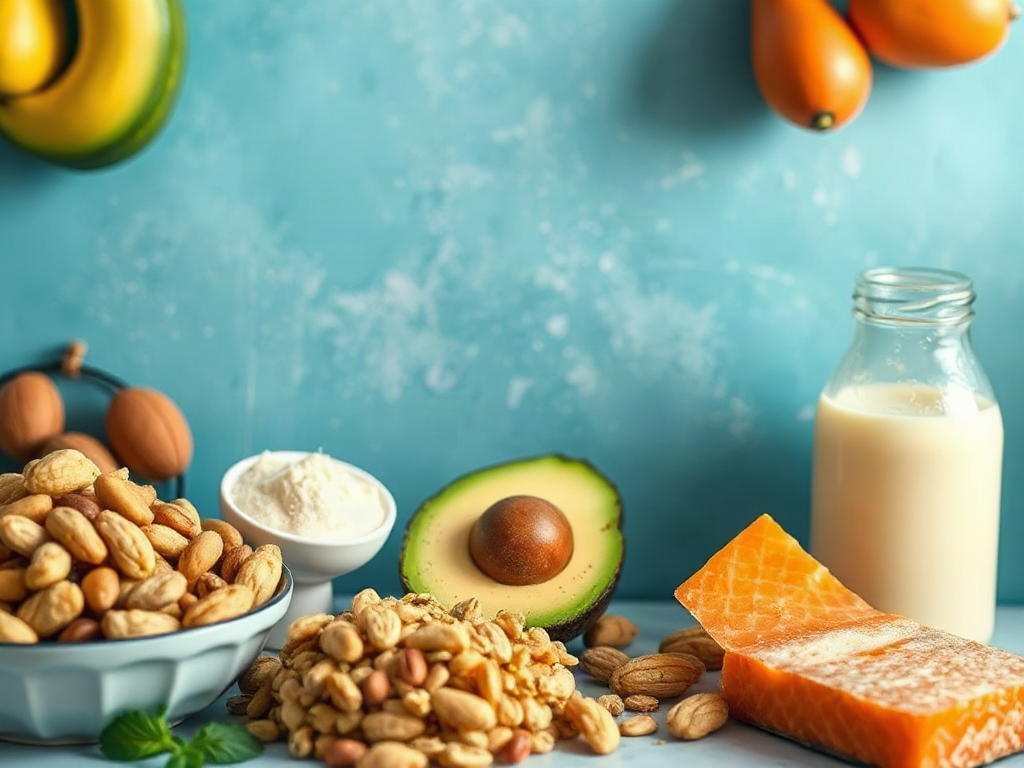
High-calorie foods for healthy weight gain include nuts, nut butter, avocado, olive oil, whole-milk dairy, eggs, salmon, beans, oats, rice, and dried fruit, combined into balanced meals rather than eaten as isolated treats. A useful approach is to add energy gradually through calorie-dense ingredients while keeping protein, carbohydrates, fiber, vitamins, and minerals present.
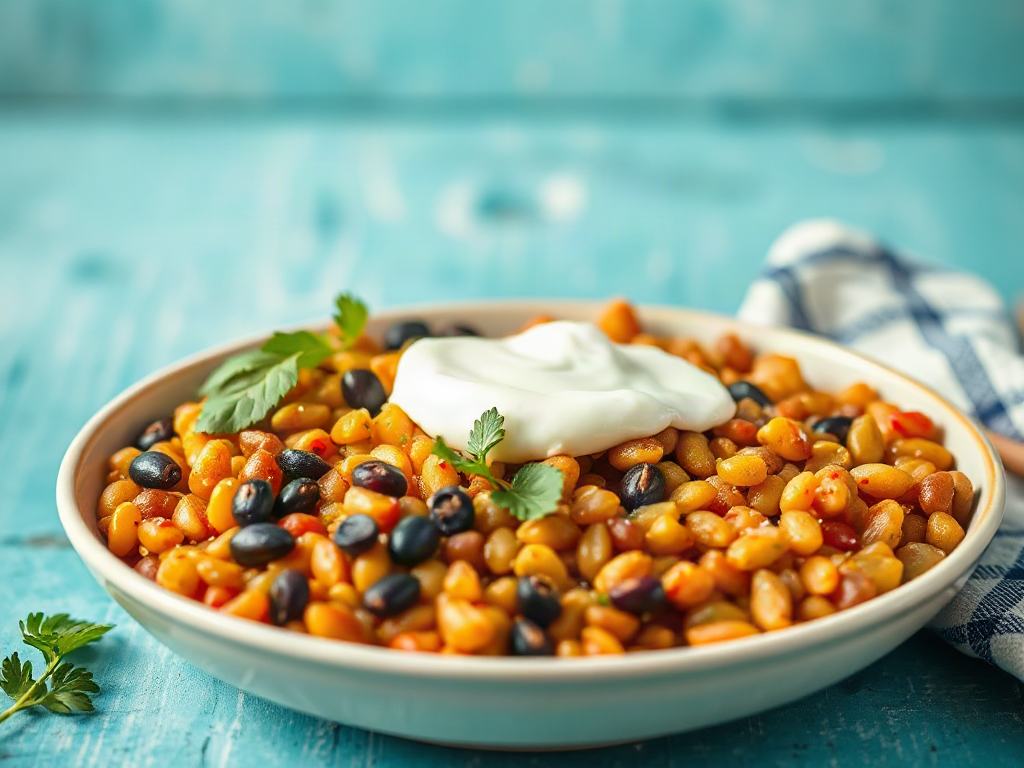
High-protein vegetarian meals with complete nutrition combine legumes, soy foods, dairy or eggs when used, whole grains, vegetables, fruit, and a reliable source of healthy fats. Lentils with yogurt and whole-grain flatbread, tofu with quinoa and vegetables, or eggs with beans and avocado can provide protein alongside fiber, iron, calcium, vitamin B12, and essential fats.
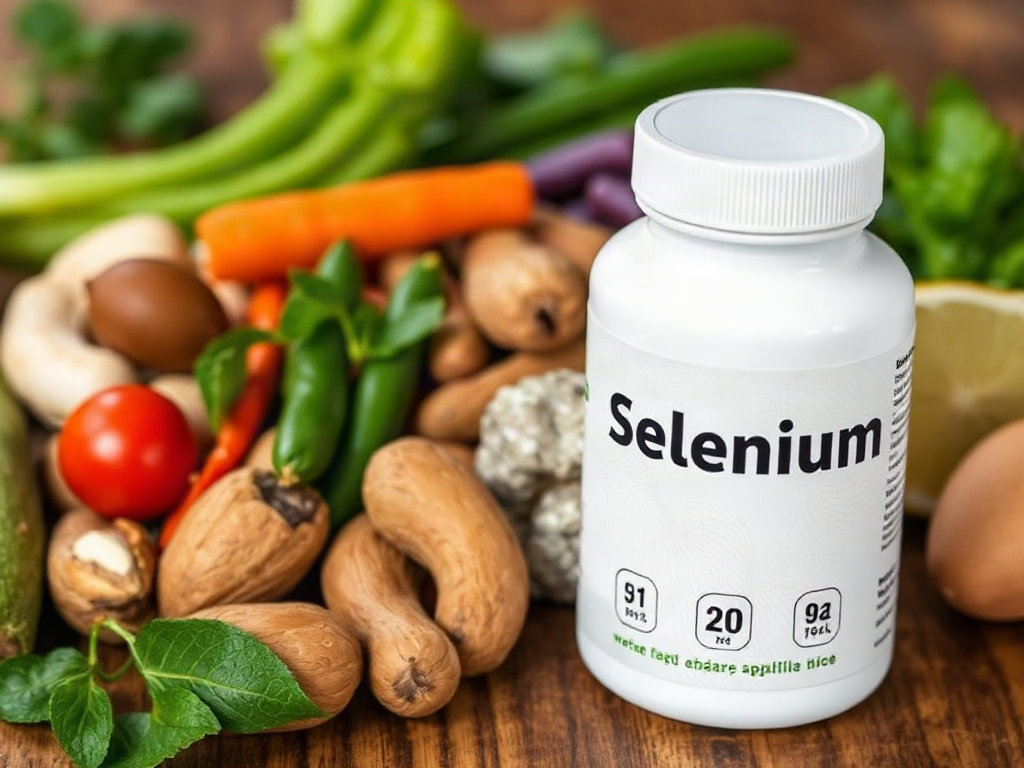
Coconut nutrition, fat, fiber, and portions differ sharply among fresh coconut meat, dried coconut, coconut milk, and coconut water, so the form matters as much as the food itself. Coconut meat supplies fiber and minerals but is energy-dense because most of its calories come from fat, including saturated fat.
Ancestral diet claims versus modern nutrition evidence show that minimally processed foods, dietary variety, and meals built around available whole foods are generally better supported than claims that one historical eating pattern is universally ideal.
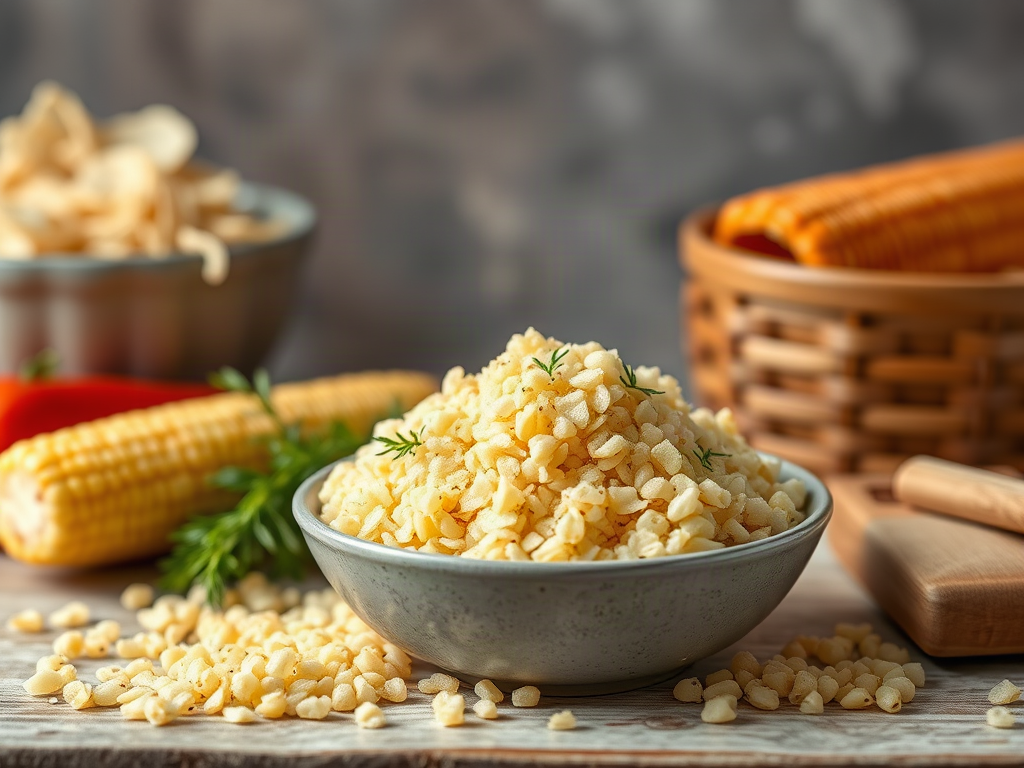
Hominy nutrition and its place in balanced meals depend on treating it as a whole-grain-style carbohydrate base rather than a complete meal by itself. Made from corn treated with an alkaline solution, hominy has a distinctive texture and can contribute carbohydrates, some fiber, and modest plant protein, while its exact…
Hominy nutrition and its place in balanced meals are best judged by how the corn-based ingredient is prepared and what accompanies it. Hominy supplies carbohydrate, some fiber, and useful minerals, but it is not a complete protein and usually contributes little fat, so beans, eggs, fish, poultry, tofu, or dairy…
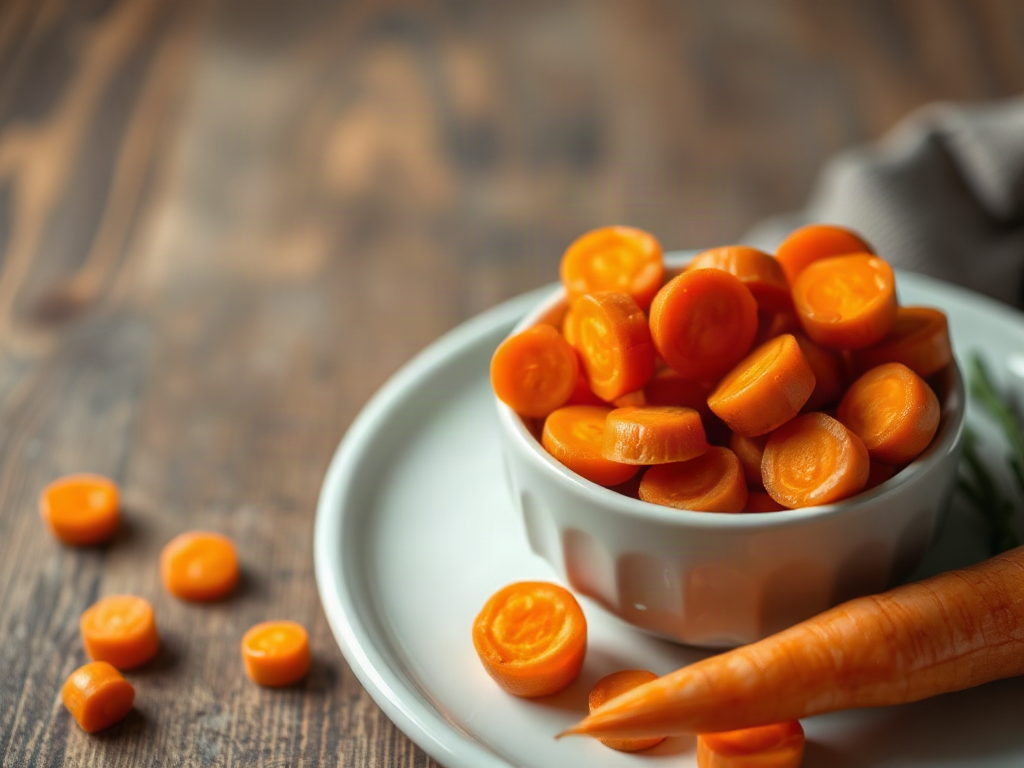
Carrot nutrition and beta-carotene are shaped by both the vegetable’s natural composition and the way it is cooked. Carrots provide fiber, potassium, and carotenoids, while gentle heating softens their structure and may make some beta-carotene easier to access; adding a modest amount of fat supports carotenoid absorption.
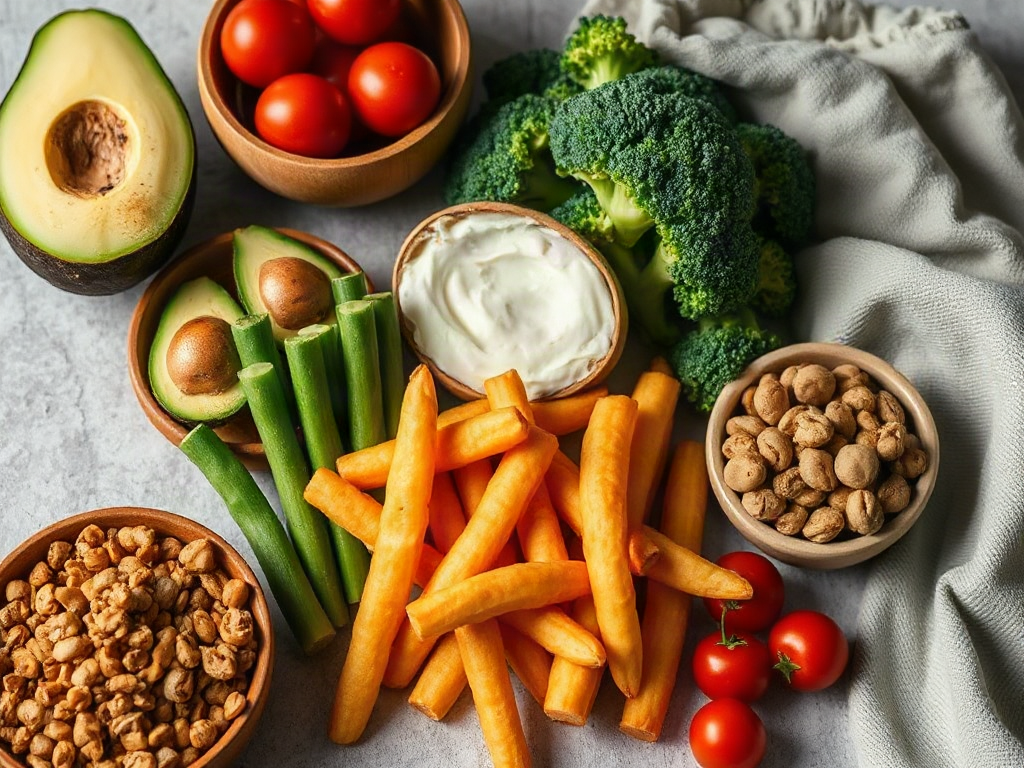
Foods for vaginal health and microbiome support are mainly whole, fiber-rich foods, fermented options, and nutrient-dense meals that support immune function and normal hormone-related physiology rather than directly changing vaginal bacteria. Vegetables, beans, whole grains, berries, nuts, seeds, and unsweetened yogurt can contribute useful fiber, vitamin C, zinc, and live…
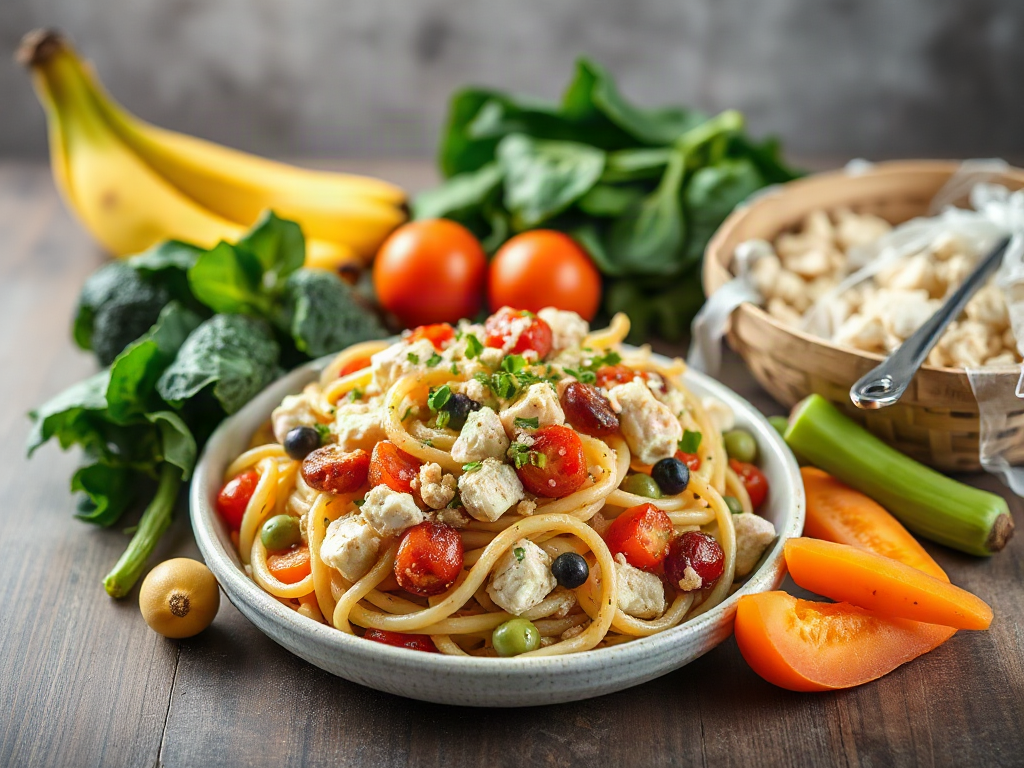
Follicular phase foods for cycle-based nutrition should provide steady energy through protein-rich whole foods, fiber-dense carbohydrates, colorful produce, and sources of iron, omega-3 fats, and calcium. As estrogen generally rises after menstruation, appetite and training tolerance may shift, but cycle-based eating is not a rigid prescription or substitute for adequate calories.