Whole Food Nutrition

Natural GLP-1 Foods and Realistic Appetite Support: Examples, Mechanisms, and Limits
Whole Food Nutrition

Natural GLP-1 Foods and Realistic Appetite Support: Examples, Mechanisms, and Limits

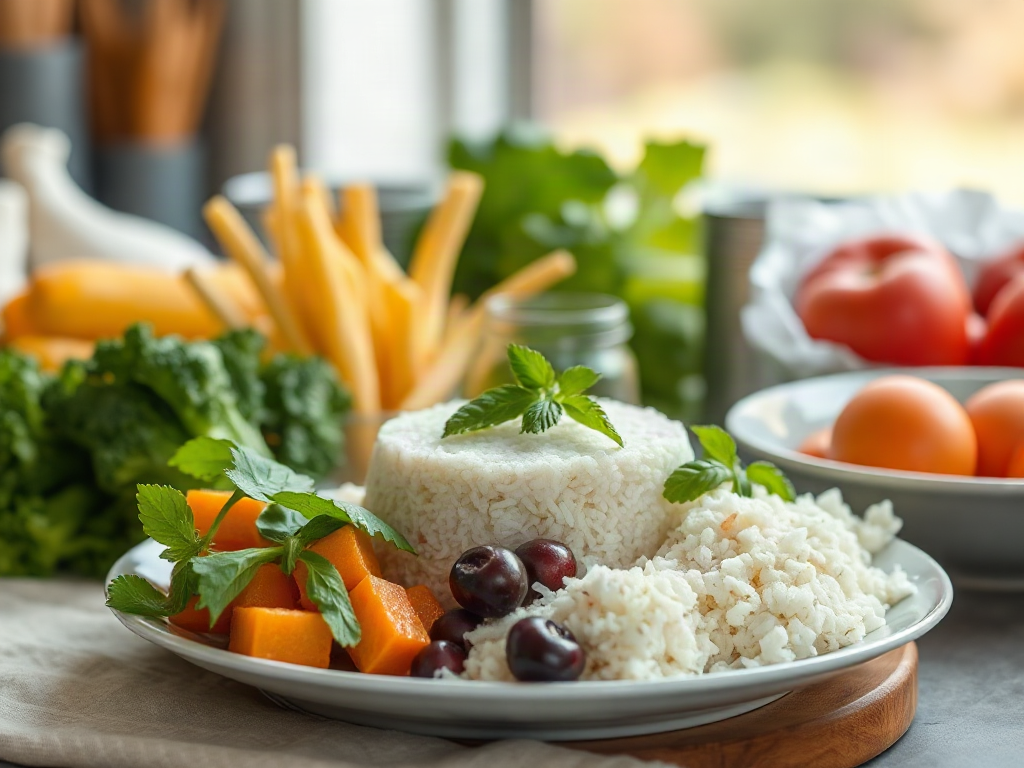
Natural GLP-1 foods may provide realistic appetite support by stimulating the body’s own gut-hormone response, slowing digestion, and making meals more satisfying, but they do not reproduce the potency of prescription GLP-1 medicines. Protein-rich foods, fermentable fiber, minimally processed carbohydrates, and unsaturated fats are the most useful components to combine.
No-Carb Foods and Realistic Nutrition Tradeoffs—What to Eat and What You Give Up
Whole Food Nutrition

No-Carb Foods and Realistic Nutrition Tradeoffs—What to Eat and What You Give Up

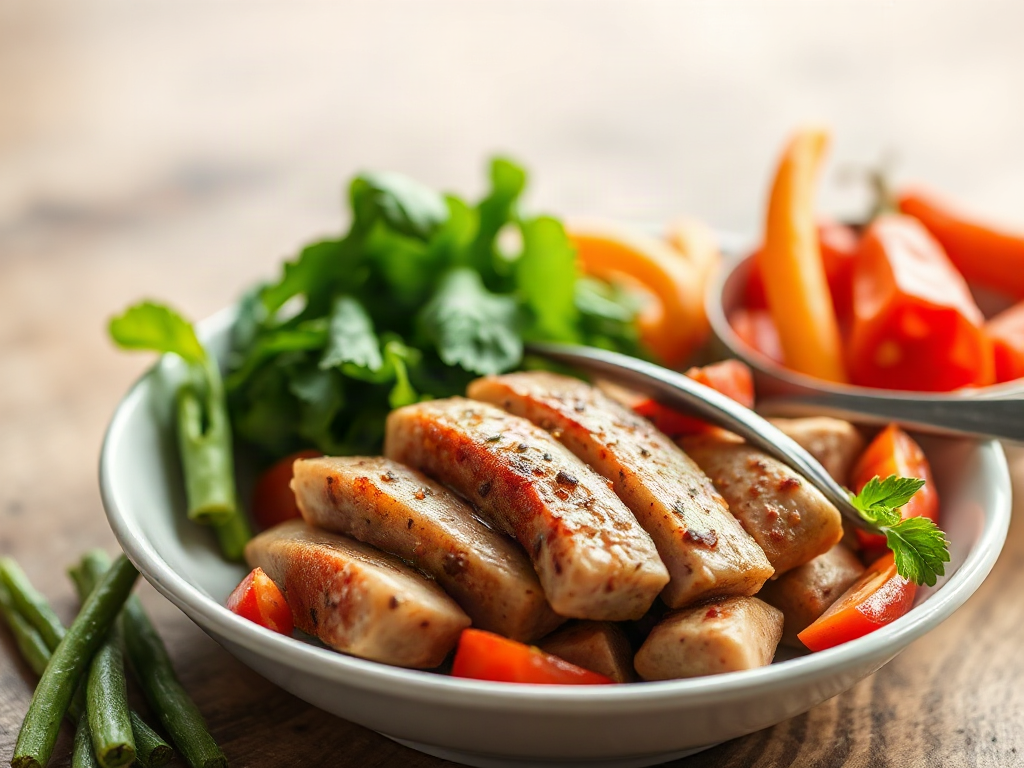
No-carb foods can reduce carbohydrate intake, but the realistic tradeoffs include less fiber, narrower micronutrient variety, greater reliance on animal foods, and possible increases in sodium or saturated fat. Plain meat, poultry, fish, eggs, oils, and some cheeses contain zero or negligible carbohydrate, while most plant foods contribute at least a small amount.

Low-Phosphorus Foods for Everyday Meal Planning: A Practical Grocery and Plate-Building Approach
Whole Food Nutrition

Foods High in Phosphorus and Their Meal Uses—Whole-Food Choices, Pairings, and Portion Ideas

Foods high in phosphorus and their meal uses include dairy, fish, poultry, meat, eggs, beans, lentils, nuts, seeds, and whole grains, with the best choice depending on the meal and the person’s health needs. Yogurt, eggs, salmon, lentils, tofu, and pumpkin seeds can add phosphorus alongside protein, calcium, iron, or healthy fats.

Foods High in Arginine for Practical Meal Planning With Serving Ideas and Smart Pairings
Whole Food Nutrition

Foods High in Arginine for Practical Meal Planning With Serving Ideas and Smart Pairings

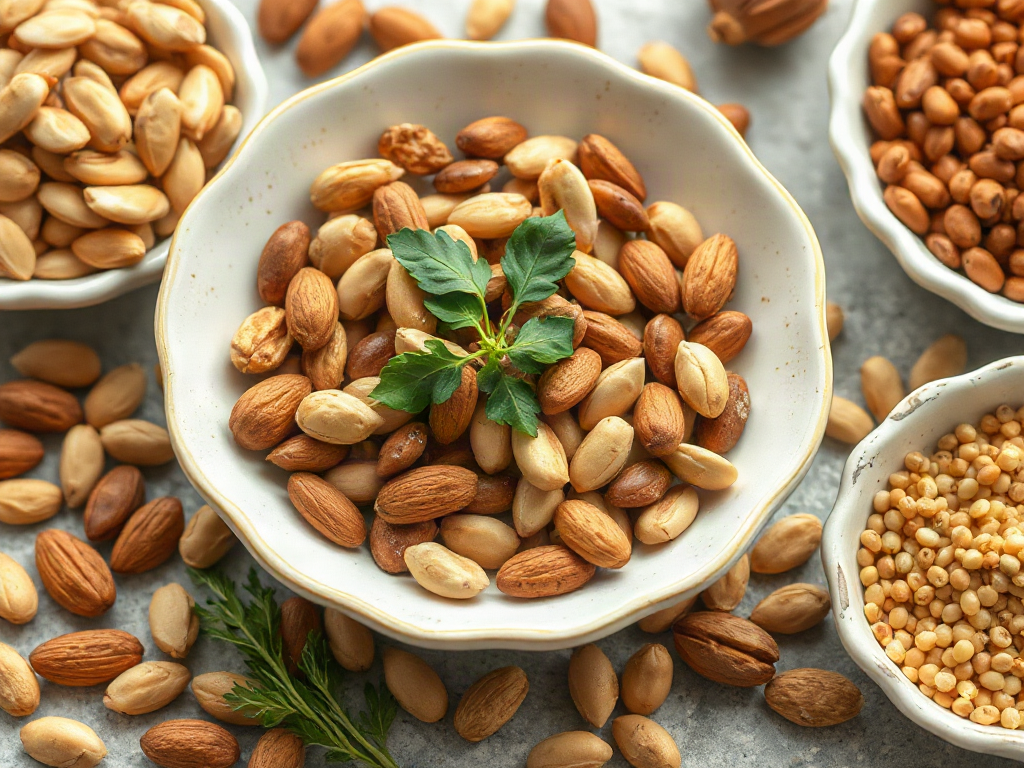
Foods high in arginine for practical meal planning include pumpkin seeds, peanuts, almonds, walnuts, soy foods, beans, lentils, whole grains, and fish, with seeds, legumes, and nuts generally offering the most concentrated whole-food options. Build meals around a modest serving of one arginine-rich ingredient rather than chasing a single “best”…

Low-Potassium Foods for Everyday Meal Planning Without Losing Variety
Whole Food Nutrition

Zero-Calorie Foods and What They Actually Provide: Water, Fiber, Micronutrients, and Limits

Zero-calorie foods and what they actually provide are best understood as very-low-energy foods that usually contribute water, fiber, vitamins, minerals, plant compounds, or sensory volume rather than literally supplying no calories. Leafy greens, cucumbers, celery, mushrooms, broth, and unsweetened beverages may fit this idea, but serving size and preparation can change the calorie total.

Low-Histamine Foods for Sensitive Eating Plans: A Freshness-First Way to Choose and Prepare Meals
Whole Food Nutrition

Low-Histamine Foods for Sensitive Eating Plans: A Freshness-First Way to Choose and Prepare Meals

Low-histamine foods for sensitive eating plans usually emphasize freshly prepared meat or poultry, recently harvested vegetables, selected fruits, and simple grains while limiting aged, fermented, cured, smoked, and long-stored products. Histamine content can rise as some foods ripen, ferment, or remain refrigerated for extended periods, although individual tolerance varies and…

High-Volume Low-Calorie Foods for Lasting Fullness: What to Eat and How to Build Satisfying Plates
Whole Food Nutrition

High-Volume Low-Calorie Foods for Lasting Fullness: What to Eat and How to Build Satisfying Plates

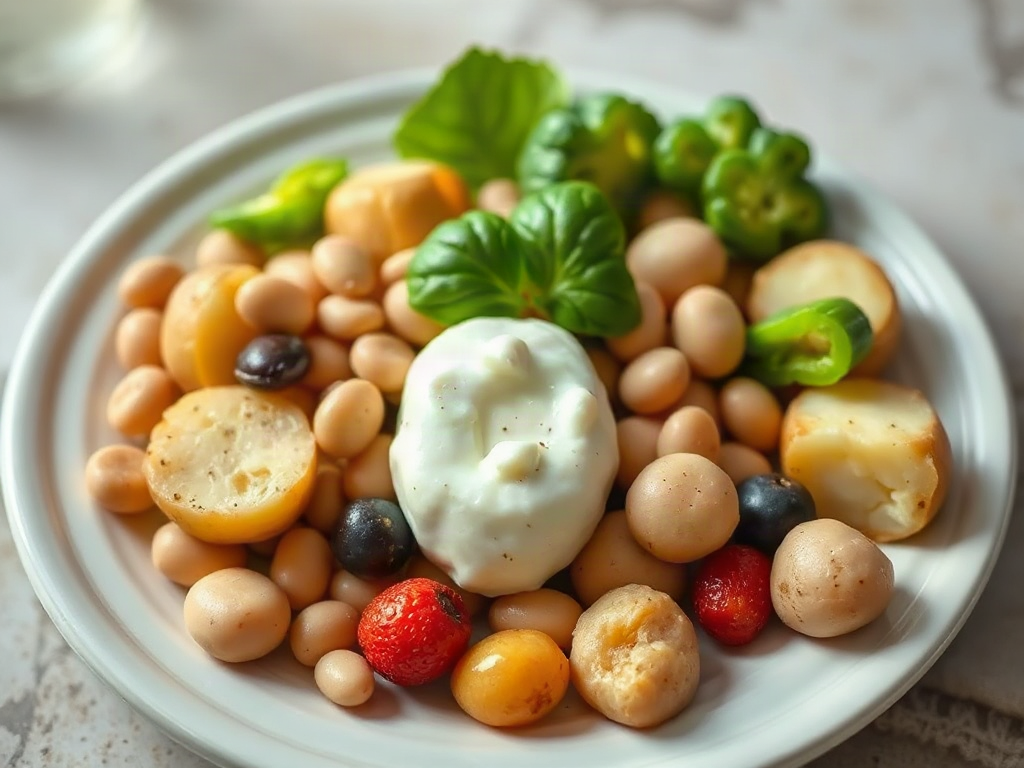
High-volume low-calorie foods for lasting fullness work best when they combine water-rich produce, fiber, and a dependable source of protein rather than relying on vegetables alone. Potatoes, beans, lentils, berries, apples, leafy greens, soups, yogurt, eggs, and lean proteins can create larger portions that digest more slowly and reduce the urge to snack soon afterward.

Scroll to Top