
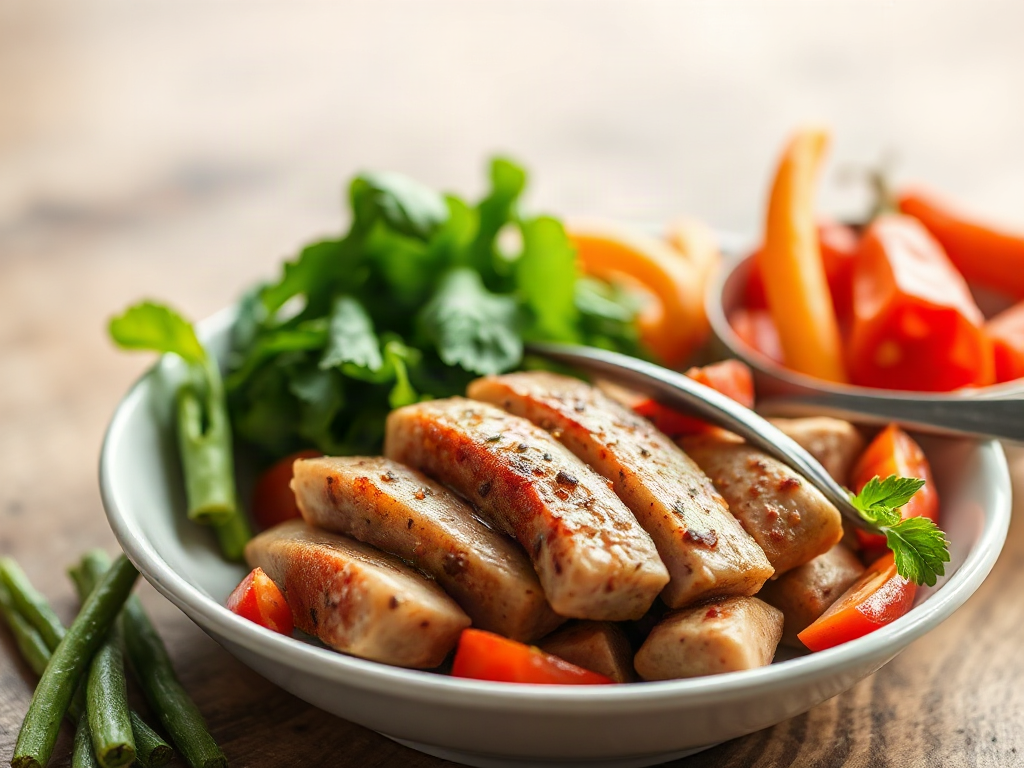
Low-histamine foods for sensitive eating plans usually emphasize freshly prepared meat or poultry, recently harvested vegetables, selected fruits, and simple grains while limiting aged, fermented, cured, smoked, and long-stored products. Histamine content can rise as some foods ripen, ferment, or remain refrigerated for extended periods, although individual tolerance varies and food lists are not universally consistent. Cooked portions should be cooled quickly, stored safely, and frozen when practical rather than held for several days. A short, structured trial with symptom tracking is more useful than permanently eliminating large food groups, and persistent or severe reactions warrant assessment by a qualified clinician.
How Histamine Exposure Changes With Freshness and Processing
Histamine is a naturally occurring compound involved in immune signaling, digestion, and other body processes. Food-related symptoms may be reported when a person consumes more histamine or other biogenic amines than they tolerate, but the mechanism is not identical for everyone. The amount in a food can change with microbial activity, ripening, fermentation, curing, and storage, which makes freshness and handling more useful than a rigid “safe food” label.
Freshness matters because certain microorganisms can convert the amino acid histidine into histamine as food ages or undergoes fermentation. This is especially relevant to aged cheese, cured meats, fermented vegetables, fish products, and alcoholic beverages. A freshly cooked chicken breast and a processed deli meat may both provide protein, yet their storage history and processing method make them very different choices for a sensitive eating plan. The distinction is not that one food is universally harmful; it is that processing and time can alter exposure.
Individual responses also complicate food lists. Some people report difficulty with tomatoes, spinach, eggplant, citrus, strawberries, avocado, or fermented products, while others tolerate selected portions. Lists found online often disagree because testing methods, harvest conditions, storage, ripeness, and serving size differ. Treating every listed item as permanently forbidden can shrink the diet unnecessarily and may make it harder to obtain fiber, calcium, iron, protein, or adequate energy.
A practical starting point is to prioritize foods with a short ingredient list and a clear freshness history: freshly cooked poultry, meat, or fish that has been handled safely; rice, oats, quinoa, or potatoes; and vegetables or fruits that the individual already knows they tolerate. The low-histamine foods for sensitive eating plans should be viewed as a flexible framework, not a diagnosis or a universal prescription.
Building a Lower-Histamine Grocery List
A useful grocery list separates reliable staples from foods that deserve a cautious trial. Fresh or quickly frozen ingredients are often easier to manage than foods that are aged, fermented, cured, smoked, pickled, or sold ready-to-eat after prolonged storage. Plain oats, rice, quinoa, buckwheat, and potatoes can provide carbohydrate variety. Freshly prepared poultry, unprocessed meat, and some very fresh fish may supply protein, although fish requires particular attention to rapid chilling and storage.
Vegetable choices can include carrots, broccoli, cauliflower, cucumber, lettuce, green beans, peas, and squash when tolerated. Fruit options may include apples, pears, blueberries, mango, or melon for some people. These examples are not guarantees: ripeness, portion size, preparation, and personal response still matter. A simple meal such as rice with freshly cooked chicken, steamed broccoli, and olive oil is easier to evaluate than a packaged entrée containing vinegar, yeast extract, flavorings, and several preservatives.
Food quality and nutritional adequacy should be considered together. Removing dairy may reduce access to calcium and protein, while avoiding legumes can make plant-based protein harder to obtain. If eggs, nuts, seeds, or soy are also excluded, the diet can become unnecessarily narrow. Rather than removing multiple categories at once, keep tolerated options in place and test one variable at a time when symptoms and medical guidance allow.
Shopping habits often matter as much as the food name. Choose smaller quantities when possible, inspect use-by information, and avoid buying more perishable protein than can be cooked or frozen promptly. Frozen plain vegetables and fruit can be useful because they are processed soon after harvest, but sauces, seasoning blends, and prepared frozen meals may contain ingredients that complicate a trial.
- Prioritize: fresh or rapidly frozen basics, plain grains, simple proteins, and minimally seasoned produce.
- Review carefully: fermented foods, aged cheese, cured meat, smoked products, canned fish, leftovers, alcohol, and foods with long ingredient lists.
- Protect variety: retain tolerated sources of protein, carbohydrate, fat, fiber, calcium, and iron rather than relying on an extremely short list.
The goal is not to make every meal bland or identical. It is to reduce variables enough that a person can recognize patterns without sacrificing the nutritional structure of the diet. A low-histamine foods for sensitive eating plans checklist works best when it records freshness, preparation, portion, and response rather than classifying foods as permanently good or bad.
Preparation, Storage, and Meal Planning Decisions
Preparation and storage can change the practical suitability of a meal. Histamine may accumulate in some foods during extended storage, particularly when temperature control is poor or when the food is allowed to age. For a sensitive eater, cooking a fresh portion and eating it promptly may be more predictable than preparing a large batch to keep in the refrigerator for several days.
Batch cooking is still possible, but the handling method deserves attention. Divide cooked food into shallow containers, cool it promptly, refrigerate it safely, and freeze portions that will not be eaten soon. Thaw frozen portions under safe conditions and reheat thoroughly. The point is not to claim that every leftover contains problematic histamine; it is to reduce time-related uncertainty and limit the chance that a person blames a symptom on the wrong ingredient.
Consider two weekday approaches. Person A cooks chicken on Sunday, stores it in the refrigerator until Thursday, and combines it with several sauces. Person B freezes individual portions soon after cooking, then serves one with rice and vegetables. Person B has fewer storage and ingredient variables, so a reaction—or an absence of one—is easier to interpret. The frozen meal is not automatically better in every situation, but it may be more practical for someone who notices symptoms after older leftovers.
Seasoning can remain straightforward without making meals nutritionally incomplete. Olive oil, herbs, salt, and tolerated spices may offer variety, while vinegar-based dressings, fermented sauces, yeast extracts, and aged condiments may be set aside during a short trial if they appear relevant. Read labels on broth, deli meat, protein bars, and “natural flavor” products; the ingredient list often explains why a meal is difficult to evaluate.

Meal planning should include an exit strategy. A highly restrictive menu may be useful briefly for identifying patterns under professional guidance, but it is difficult to sustain and may increase anxiety around eating. Once symptoms are steadier, reintroducing one food or food group at a time can help identify personal tolerance. A food and symptom record should include timing, quantity, sleep, stress, exercise, medication changes, and illness, because symptoms may have more than one trigger.
Common Mistakes and Safer Personalization
The most common mistake is treating an online histamine list as a definitive medical test. Food composition varies, and symptoms such as flushing, headache, hives, nasal symptoms, abdominal discomfort, or diarrhea can have multiple causes. A restrictive diet cannot confirm histamine intolerance, mast-cell disease, food allergy, or another condition. New, severe, or rapidly worsening reactions require medical attention; breathing difficulty, throat swelling, faintness, or signs of anaphylaxis require emergency care.
A second mistake is changing too many foods at once. If a person removes tomatoes, dairy, gluten, legumes, eggs, fruit, and leftovers simultaneously, improvement or worsening cannot be attributed confidently to one change. The same problem occurs when a meal contains a fresh protein, fermented sauce, packaged snack, and dessert: even a detailed food diary may not identify the relevant exposure.
A better method uses a defined baseline and measured experiments. Keep meals simple for a limited period, preserve adequate calories and nutrients, and record symptoms with time and portion. Then test one item in a modest serving when the person is well enough to interpret the result. A registered dietitian familiar with food reactions can help protect against deficiencies, especially for children, pregnant people, older adults, and anyone already avoiding several major food groups.
Do not assume that “natural,” organic, gluten-free, or preservative-free means low in histamine. Fermented organic vegetables may still be difficult for someone sensitive to fermentation, and a gluten-free snack may contain aged cheese, cocoa, or flavor concentrates. Likewise, a fresh food that appears on a cautious list may be tolerated by one person and not another.
Signs that the approach is becoming unhelpful include steadily expanding restrictions, fear of eating outside the home, weight loss, fatigue, constipation, or inability to meet protein and calcium needs. Those signals call for a reassessment rather than further elimination. The low-histamine foods for sensitive eating plans approach should make eating more predictable while retaining enough variety for health and ordinary life.
For individual diagnosis, food allergy evaluation, emergency symptoms, or nutrition concerns caused by restriction, use guidance from a qualified clinician or registered dietitian. Food safety information from government health agencies is also valuable for cooling, refrigeration, freezing, and reheating practices.
Frequently Asked Questions
What are common low-histamine meal ingredients?
Many people begin with freshly prepared poultry or other tolerated protein, rice, oats, potatoes, carrots, broccoli, cucumber, pears, or apples. Tolerance varies, so use these as trial ingredients rather than guaranteed safe foods.
Are leftovers always high in histamine?
No. Risk and tolerance depend on the food, handling, storage time, temperature control, and individual response. Prompt cooling and freezing portions can make leftovers easier to manage.
Should fermented foods be avoided?
Fermented foods are commonly limited during a structured trial because fermentation can increase histamine or other amines. Permanent avoidance is not automatically necessary and should be based on symptoms and professional guidance.
Can a low-histamine plan provide enough nutrition?
It can when meals retain varied sources of protein, carbohydrates, fats, fiber, calcium, iron, and other nutrients. Extensive exclusions may require help from a registered dietitian.
When should someone seek medical advice?
Seek care for persistent or severe symptoms, unexplained weight loss, repeated reactions, or symptoms affecting daily eating. Breathing difficulty, throat swelling, faintness, or suspected anaphylaxis require emergency treatment.
Conclusion
A workable low-histamine plan depends less on memorizing a universal food blacklist and more on controlling freshness, processing, storage, portions, and meal complexity. Begin with a small range of minimally processed foods that you already tolerate, prepare perishable items promptly, and freeze portions that will not be eaten soon. Keep enough variety to cover protein, energy, fiber, calcium, and iron, then evaluate foods one at a time rather than eliminating entire categories indefinitely. Because histamine-related symptoms can overlap with allergy and other medical conditions, persistent or serious reactions deserve professional assessment. The best plan is one that clarifies personal patterns without making adequate, enjoyable eating impossible.
Related Content
- Issues With Superfoods That Claim Unrealistic Benefits: Common Misconceptions and Practical Insights
- What To Consider When Comparing Superfood Brands For Quality, Value, And Transparency
- Impact of Superfood Freshness on Nutrient Value: Key Factors and Real-World Implications
- How to Assess the Quality of Superfood Powders: Key Ingredients, Sourcing, and Nutritional Value
- Are Powdered Superfoods as Effective as Whole Foods: Key Nutritional Comparisons and Practical Insights