
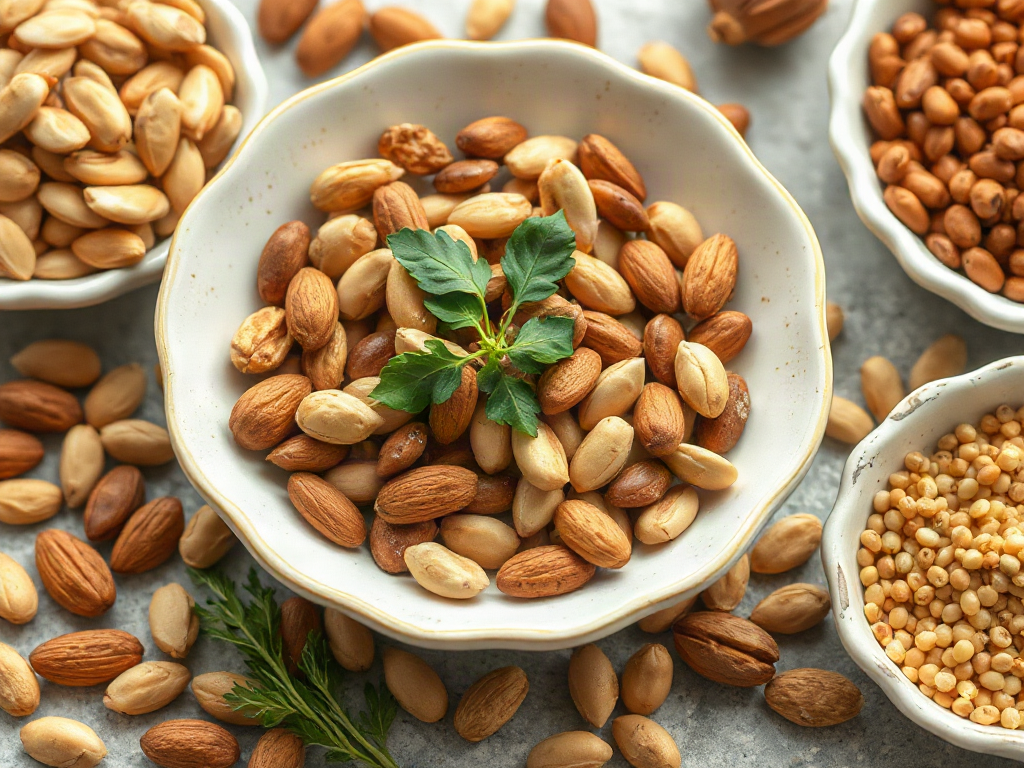
Foods high in arginine for practical meal planning include pumpkin seeds, peanuts, almonds, walnuts, soy foods, beans, lentils, whole grains, and fish, with seeds, legumes, and nuts generally offering the most concentrated whole-food options. Build meals around a modest serving of one arginine-rich ingredient rather than chasing a single “best” food, then add vegetables, fruit, and an appropriate protein or grain. Roasting, soaking, or cooking changes texture and digestibility but does not turn these foods into treatments. People with kidney disease, food allergies, medically restricted protein intake, or condition-specific dietary instructions should personalize portions with a qualified clinician.
Arginine-Rich Foods Worth Building Around
Arginine is an amino acid found in both plant and animal foods. The most useful choices for meal planning are not necessarily exotic products; they are familiar ingredients that contribute protein, energy, fiber, minerals, or unsaturated fat at the same time. Pumpkin seeds, peanuts, almonds, walnuts, sesame seeds, and sunflower seeds are concentrated options. Soybeans, tofu, tempeh, edamame, chickpeas, lentils, and other beans provide arginine alongside plant protein and fiber. Whole grains such as oats, quinoa, brown rice, and whole-wheat products can contribute smaller amounts across the day.
Animal foods also contain arginine, although their nutritional profile differs. Fish, poultry, eggs, and dairy foods can fit an arginine-aware eating pattern, but they should not automatically replace legumes, nuts, or seeds. A person trying to increase plant-food variety may gain more from adding lentils or pumpkin seeds than from simply increasing meat portions. Someone who needs higher protein with fewer carbohydrates may make a different choice, such as fish paired with vegetables and a measured seed topping.
Concentration and serving size are easy to confuse. A seed or nut may provide more arginine per bite than a cooked grain, but it also delivers more calories because of its fat content. Beans may be less concentrated by weight yet work better as a regular meal foundation because their fiber and carbohydrate content support a filling bowl, soup, or salad. The practical question is not which ingredient ranks first in an isolated chart; it is which source fits the meal, appetite, budget, cooking time, and medical needs.
Useful ingredients to keep available include:
- Seeds: pumpkin, sesame, sunflower, and hemp seeds for toppings, sauces, or oatmeal.
- Nuts: peanuts, almonds, walnuts, and cashews in measured portions.
- Legumes: lentils, black beans, chickpeas, soybeans, tofu, tempeh, and edamame.
- Grains: oats, quinoa, brown rice, and whole-grain breads or pasta.
- Animal foods: fish, poultry, eggs, and dairy when they suit the overall eating pattern.
Use Foods high in arginine for practical meal planning as a selection principle, not a reason to eat one ingredient repeatedly. Variety reduces dependence on a single food and makes the pattern easier to sustain.
How to Turn Arginine Sources Into Balanced Meals
A practical plate combines an arginine-containing food with produce and a suitable source of carbohydrate or additional protein. For breakfast, oats can be topped with pumpkin seeds, peanut butter, berries, and plain yogurt. The seeds and peanut butter contribute arginine and fat, while oats and fruit provide carbohydrate and fiber. A smaller topping is often enough; adding several large spoonfuls can turn a moderate breakfast into a much more energy-dense meal.
Lunch can use lentils, chickpeas, tofu, or edamame as the central ingredient. A lentil bowl with roasted vegetables, brown rice, and a tahini-lemon dressing distributes the meal across legumes, grains, and seeds. Tahini is flavorful and useful, but it is concentrated, so a measured dressing is more practical than pouring it freely. A chickpea salad in a whole-grain pita offers a different texture and can be prepared ahead, although canned beans should be drained and rinsed if sodium is a concern.
Dinner does not need to be vegetarian to include these foods. Grilled fish with quinoa and green vegetables, chicken with a bean-and-vegetable side, or tofu stir-fried with edamame can all fit. The choice depends on the meal’s main purpose. If the plate already contains a substantial protein portion, seeds may be best used as a garnish rather than another major protein source. If the meal is mostly vegetables and grains, beans or tofu can make it more satisfying.
A useful planning sequence is:
- Choose one main arginine-containing food, such as lentils, tofu, fish, or peanuts.
- Add one or two vegetables or fruits for color, fiber, and flavor contrast.
- Select a grain, starchy vegetable, or bread portion that matches energy needs.
- Use nuts, seeds, or spreads as deliberate additions rather than unmeasured extras.
This approach prevents a common imbalance: treating nuts and seeds as the entire meal. They can be valuable ingredients, but a handful alone may lack the volume and variety many people need. Conversely, a large bean serving may be difficult for someone unused to high-fiber meals. Increase legumes gradually, drink fluids according to personal needs, and adjust preparation if bloating becomes a problem.
Readers comparing options in Foods high in arginine for practical meal planning should also consider what the ingredient replaces. Replacing a sugary snack with peanuts may improve protein and satiety, while adding peanuts on top of an already adequate snack changes little except total energy intake.
Portions, Preparation, and Common Mistakes
Portion control matters most with nuts, seeds, nut butters, oils, and tahini because these foods are compact sources of fat and energy. A small measured serving can add flavor and nutrients to porridge, salads, vegetables, or yogurt. Eating directly from a large container makes it easy to lose track of quantity, especially with roasted or salted products. Measuring once or using a small bowl creates a repeatable habit without requiring precise nutrient calculations for every meal.
Preparation affects convenience and tolerance more than it changes the basic identity of the food. Canned beans save time and can be rinsed; dried beans cost less per serving but require planning. Tofu absorbs marinades and works in quick stir-fries, while tempeh has a firmer texture and stronger flavor. Nut butters are convenient for toast or sauces, but versions with added sugar or excess sodium may not suit every plan. Choose unsalted nuts and seeds when sodium is already high elsewhere in the diet.
Cooking legumes thoroughly improves texture and makes them easier for many people to tolerate. Soaking dried beans can shorten cooking time, although practices vary by bean type and kitchen routine. Roasting seeds improves crunch but can make portion creep more likely because they become an easy snack. A useful compromise is to roast a batch, cool it, and store it in pre-portioned containers for salads or grain bowls.
Several assumptions deserve correction. More arginine is not automatically better, and food arginine should not be treated as a cure or prevention strategy for a medical condition. Arginine-rich foods also contain other compounds, including fiber, fat, minerals, and protein, so the whole food matters more than a single amino-acid number. People with kidney disease or prescribed protein, potassium, phosphorus, or fluid limits may need individualized advice before increasing legumes, nuts, seeds, or soy foods.

Food allergies require separate attention. Peanuts, tree nuts, soy, sesame, fish, eggs, and dairy are common allergens, and cross-contact can matter even when an ingredient is not obvious. A food diary can help identify whether digestive symptoms follow a particular portion, preparation, or combination, but persistent or severe symptoms call for medical assessment rather than continued self-experimentation.
A Practical Weekly Planning Method
Weekly planning works best when arginine-containing foods are distributed across meals instead of concentrated into one unusually large serving. Select two legume-based meals, two meals using nuts or seeds as accents, and several meals containing other protein sources that match personal preferences. This creates variety while keeping the plan flexible if ingredients, appetite, or schedule changes.
For example, a simple rotation might include overnight oats with pumpkin seeds, a lentil soup lunch, tofu and vegetable stir-fry, a chickpea salad, and fish with quinoa. Peanuts could appear in a sauce or snack, while walnuts might be added to a salad. The rotation supplies different textures and nutrients without claiming that every day requires every category.
Shopping should follow the meals rather than the nutrient label alone. Buy one or two shelf-stable legumes, one refrigerated soy option, a seed or nut, a whole grain, and vegetables that can be used in several dishes. Frozen edamame and canned beans can reduce the failure rate of a plan built around ambitious cooking. If a recipe requires several specialty ingredients, identify a simpler substitute before shopping.
Use this short check before finalizing a day’s menu:
- Is there a clear serving of an arginine-containing food at one or more meals?
- Does the plate include produce and an appropriate energy source?
- Are concentrated ingredients measured rather than added freely?
- Does the plan account for allergies, sodium, digestive tolerance, or medical restrictions?
- Can the meal still be prepared on the busiest day of the week?
Signs the plan is working include meals that feel satisfying, ingredients that are used before spoiling, and enough flexibility to substitute beans for tofu or seeds for nuts when needed. Signs it needs revision include repeated digestive discomfort, unintended excess energy intake from snacks and toppings, or a menu so restrictive that it is abandoned after a few days. Practical nutrition improves when the plan survives ordinary workdays, not just an ideal weekend.
For additional meal combinations, connect the ingredient list with Foods high in arginine for practical meal planning and adjust portions to the rest of the plate. A dietitian can help translate that framework for kidney disease, sports fueling, food allergies, or other specialized needs.
Frequently Asked Questions
Which whole foods are highest in arginine?
Pumpkin seeds, peanuts, almonds, sesame seeds, soy foods, beans, and lentils are practical concentrated choices. Exact amounts vary by food form and serving size.
Are nuts and seeds better than beans for arginine?
Not universally. Nuts and seeds are more concentrated but calorie-dense, while beans provide fiber and volume. The better choice depends on the meal and dietary needs.
How can I add arginine-rich foods without eating too many calories?
Use a measured spoonful of seeds or nut butter as a topping, and choose beans, lentils, tofu, or edamame as the main source when you want more volume.
Does cooking reduce the value of arginine-rich foods?
Cooking changes texture and digestibility, especially for legumes, but it does not make these foods unsuitable. Choose preparations that improve tolerance and fit your schedule.
Who should ask a clinician before increasing these foods?
People with kidney disease, prescribed protein or mineral restrictions, serious food allergies, or condition-specific dietary instructions should seek individualized guidance.
Conclusion
A useful arginine-focused eating pattern is built from ordinary foods rather than a single superfood. Rotate pumpkin seeds, peanuts, other nuts, legumes, soy foods, whole grains, fish, poultry, or eggs according to the rest of each meal. Give special attention to portion size for calorie-dense toppings, and use beans or lentils when fiber and fullness are priorities. Preparation should serve the plan: canned beans, frozen edamame, pre-cooked grains, and measured seed portions can make consistency easier. Do not assume that increasing arginine will treat a health condition, and do not ignore kidney, allergy, digestive, or prescribed-diet considerations. Choose a few combinations you can repeat, monitor how they fit your appetite and tolerance, and adjust the ingredients rather than forcing an unsuitable routine.
Related Content
- What To Do If Superfood Supplements Lead To Nausea: Identifying Causes and Effective Remedies
- How to Incorporate Superfoods Into a Low-Carb Diet: Practical Foods and Meal Ideas
- How Can I Troubleshoot Digestive Issues From Superfoods?
- Foods for Vaginal Health and Microbiome Support: What to Eat and What to Avoid
- Why Choose Whole Food Superfoods?