Whole Food Nutrition

Plant forward diet planning for balanced nutrition
Whole Food Nutrition

Plant-Forward Diet Planning for Balanced Nutrition

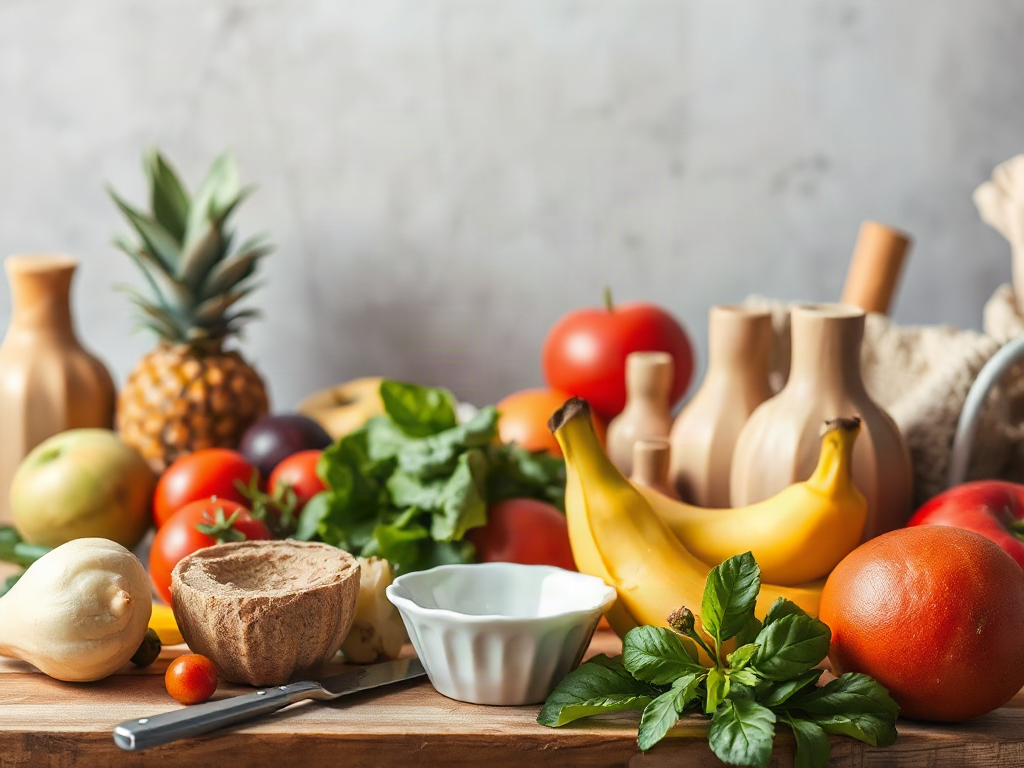
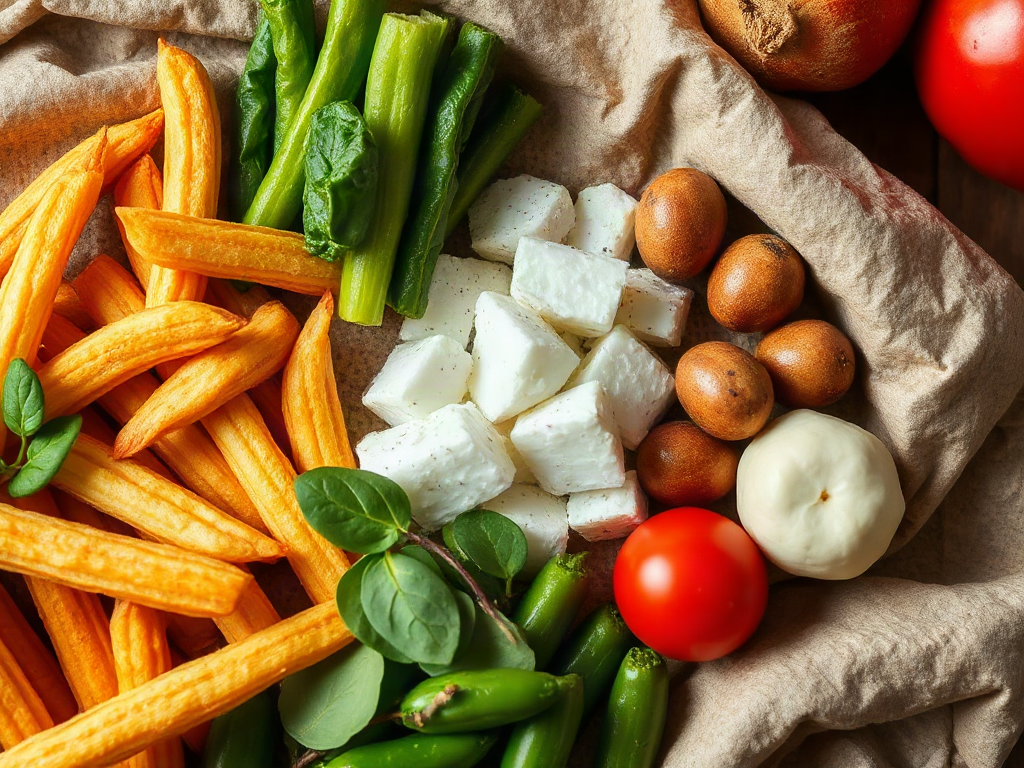
Plant-forward diet planning for balanced nutrition emphasizes vegetables, fruits, legumes, whole grains, nuts, and seeds while retaining animal foods when they help meet personal needs. A sound plan pairs plant protein across the day, includes reliable sources of vitamin B12, iron, calcium, iodine, zinc, and omega-3 fats, and provides enough calories for activity and appetite.
Glutathione foods that support natural antioxidant production
Whole Food Nutrition

Glutathione Foods That Support Natural Antioxidant Production

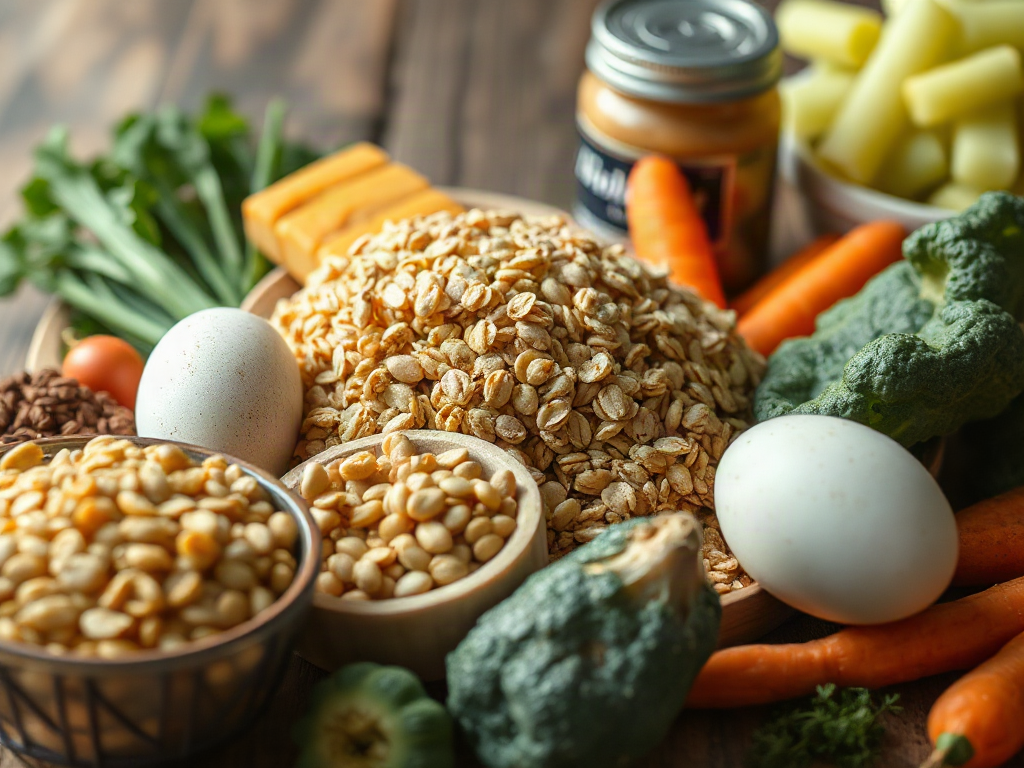
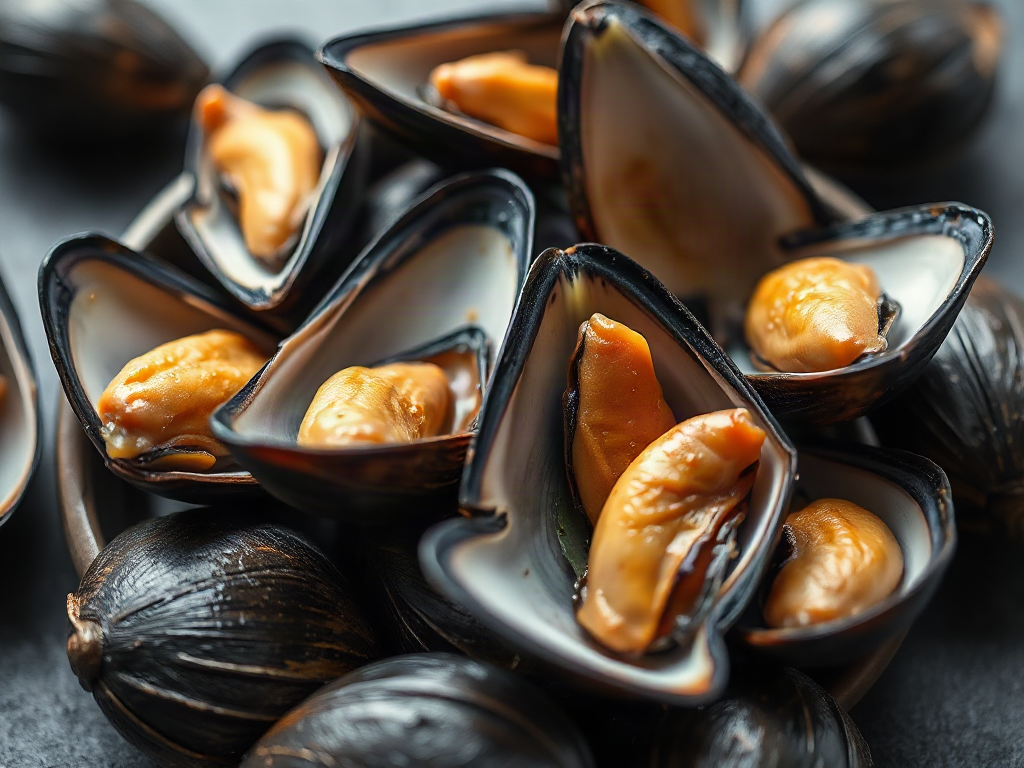
Glutathione foods support natural antioxidant production most reliably by supplying cysteine, glycine, glutamate, selenium, and complementary antioxidants rather than by delivering intact glutathione alone. Protein foods such as eggs, fish, poultry, legumes, and dairy provide amino-acid building blocks, while broccoli, cabbage, garlic, and onions contribute sulfur-containing compounds.

Liver friendly diet meals without extreme restrictions
Whole Food Nutrition

Liver Friendly Diet Meals Without Extreme Restrictions

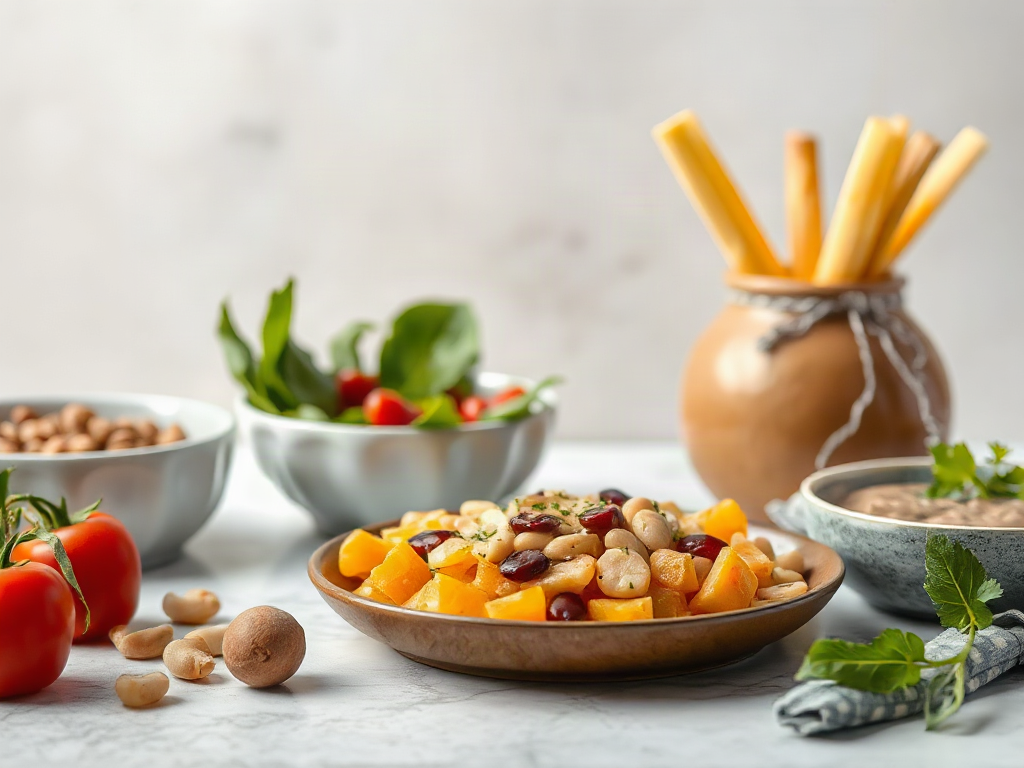
Liver friendly diet meals without extreme restrictions combine vegetables, whole grains, beans, fruit, fish or other lean proteins, and unsaturated fats while limiting alcohol, sugary drinks, heavily processed meat, and oversized portions. A practical plate can use half non-starchy vegetables, one quarter protein, and one quarter high-fiber carbohydrate without banning familiar dishes.

Polyphenol foods ranked by variety and concentration
Whole Food Nutrition

Polyphenol Foods Ranked by Variety and Concentration

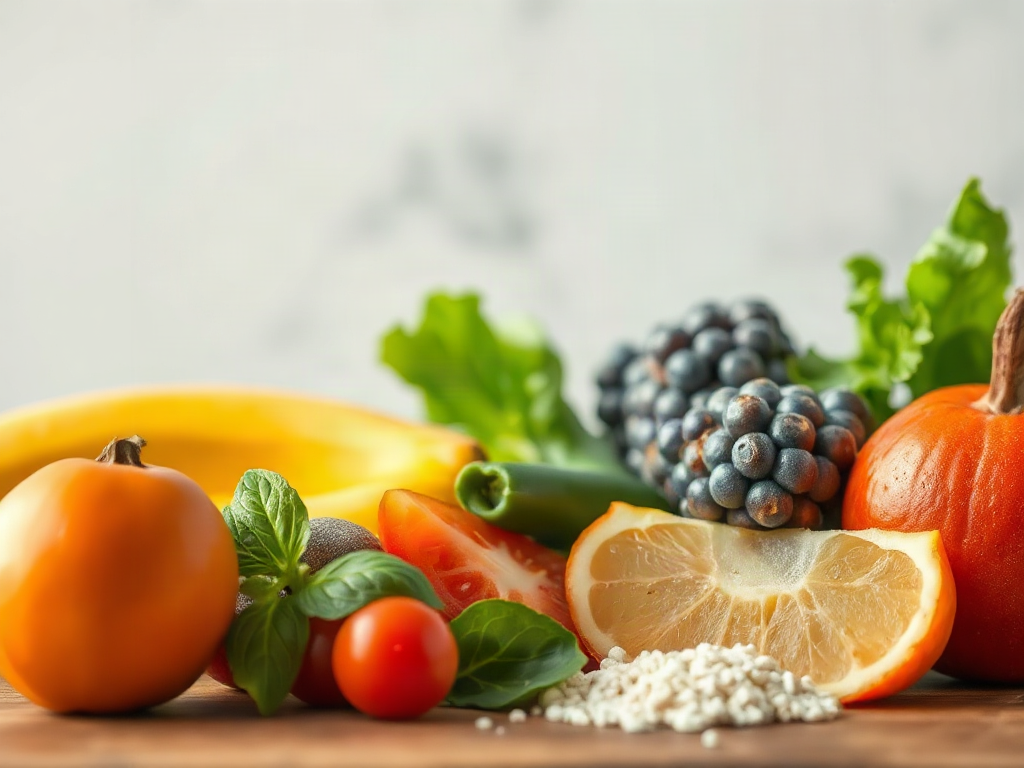
Polyphenol foods rank differently by variety and concentration: herbs, spices, cocoa, berries, olives, coffee, tea, legumes, and nuts are leading choices, but no single food dominates every polyphenol class. Cloves and cocoa can be highly concentrated by weight, while berries and olives provide broader whole-food portions containing anthocyanins, flavanols, phenolic acids, or related compounds.

Renal Diet Food Choices for Nutrient-Aware Planning—Potassium, Phosphorus, Sodium, and Protein Priorities
Whole Food Nutrition

Renal Diet Food Choices for Nutrient-Aware Planning—Potassium, Phosphorus, Sodium, and Protein Priorities

Renal diet food choices for nutrient-aware planning should be based on current kidney function, laboratory results, treatment type, and the specific need to manage sodium, potassium, phosphorus, protein, or fluid. Fresh foods and label comparison can reduce sodium and hidden phosphate additives, while portion size determines whether higher-potassium ingredients fit.

Scroll to Top