Whole Food Nutrition

Foods for Vaginal Health and Microbiome Support: What to Eat and What to Avoid
Whole Food Nutrition

Foods for Vaginal Health and Microbiome Support: What to Eat and What to Avoid

Foods for vaginal health and microbiome support are mainly whole, fiber-rich foods, fermented options, and nutrient-dense meals that support immune function and normal hormone-related physiology rather than directly changing vaginal bacteria. Vegetables, beans, whole grains, berries, nuts, seeds, and unsweetened yogurt can contribute useful fiber, vitamin C, zinc, and live…

Follicular Phase Foods for Cycle-Based Nutrition—What to Eat, When to Eat It, and Why
Whole Food Nutrition

Follicular Phase Foods for Cycle-Based Nutrition—What to Eat, When to Eat It, and Why

Follicular phase foods for cycle-based nutrition should provide steady energy through protein-rich whole foods, fiber-dense carbohydrates, colorful produce, and sources of iron, omega-3 fats, and calcium. As estrogen generally rises after menstruation, appetite and training tolerance may shift, but cycle-based eating is not a rigid prescription or substitute for adequate calories.

Mussels Nutrition Compared With Other Seafood: Iron, B12, Omega-3s, And Mercury Tradeoffs
Whole Food Nutrition

Mussels Nutrition Compared With Other Seafood: Iron, B12, Omega-3s, And Mercury Tradeoffs

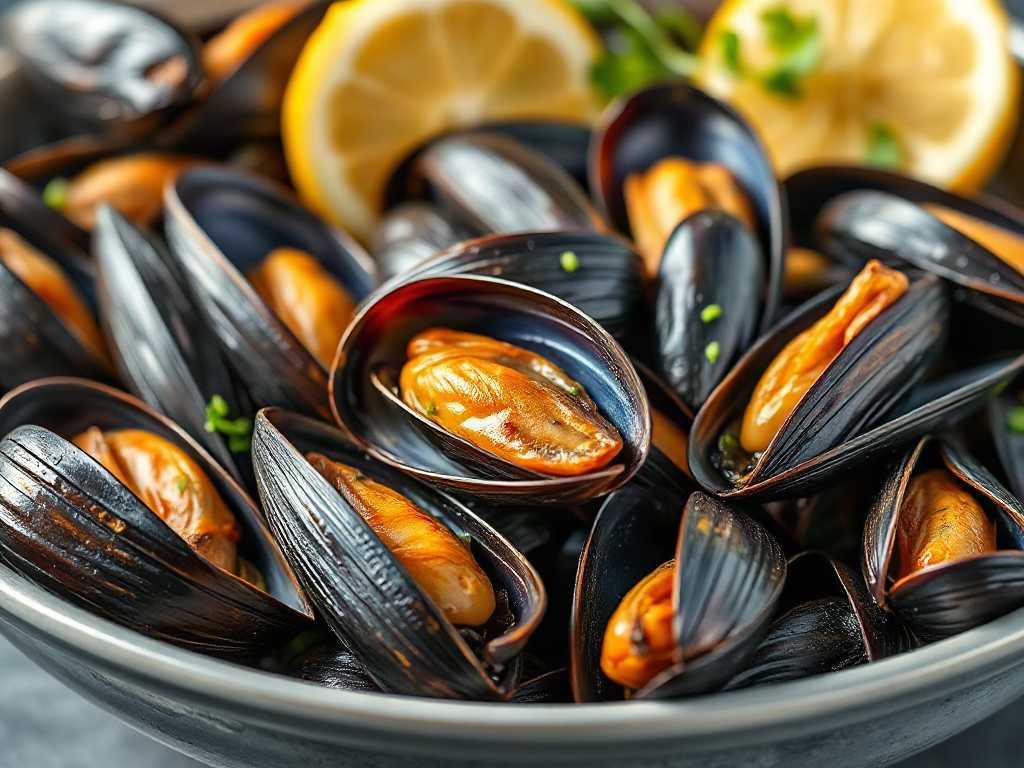
Mussels nutrition compares favorably with many seafood choices because mussels provide substantial protein, vitamin B12, iron, and marine omega-3 fats while generally carrying less mercury than large predatory fish. Their iron and B12 content can make them especially useful for people seeking more nutrient density from a modest portion, whereas…

Delicata Squash Nutrition and Cooking Effects: Texture, Carotenoids, and Portion Choices
Whole Food Nutrition

Napa Cabbage Nutrition and Key Micronutrients for Raw Salads, Stir-Fries, and Balanced Plates

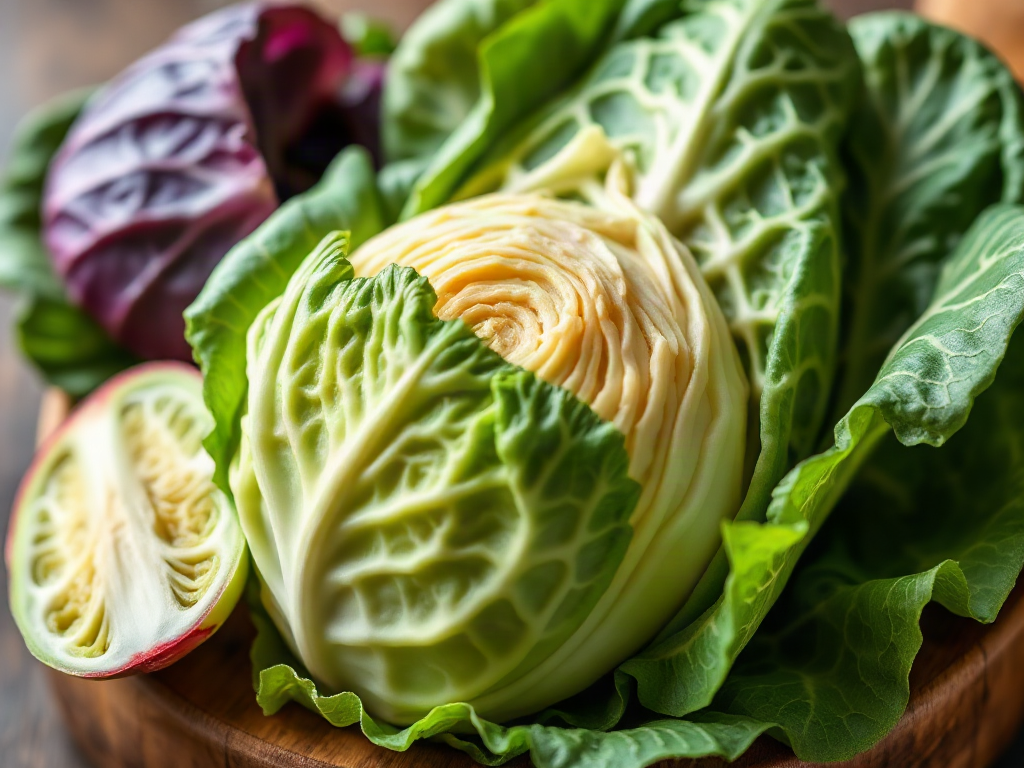
Napa cabbage nutrition and key micronutrients center on vitamin C, vitamin K, folate, potassium, and carotenoid compounds, with fiber and water adding volume for relatively few calories. Its delicate leaves work well raw, while quick steaming or stir-frying softens the texture without the prolonged cooking that can reduce some heat-sensitive vitamin C.

Kabocha Squash Nutrition And Serving Benefits For Fiber-Rich Everyday Plates
Whole Food Nutrition

Kabocha Squash Nutrition And Serving Benefits For Fiber-Rich Everyday Plates

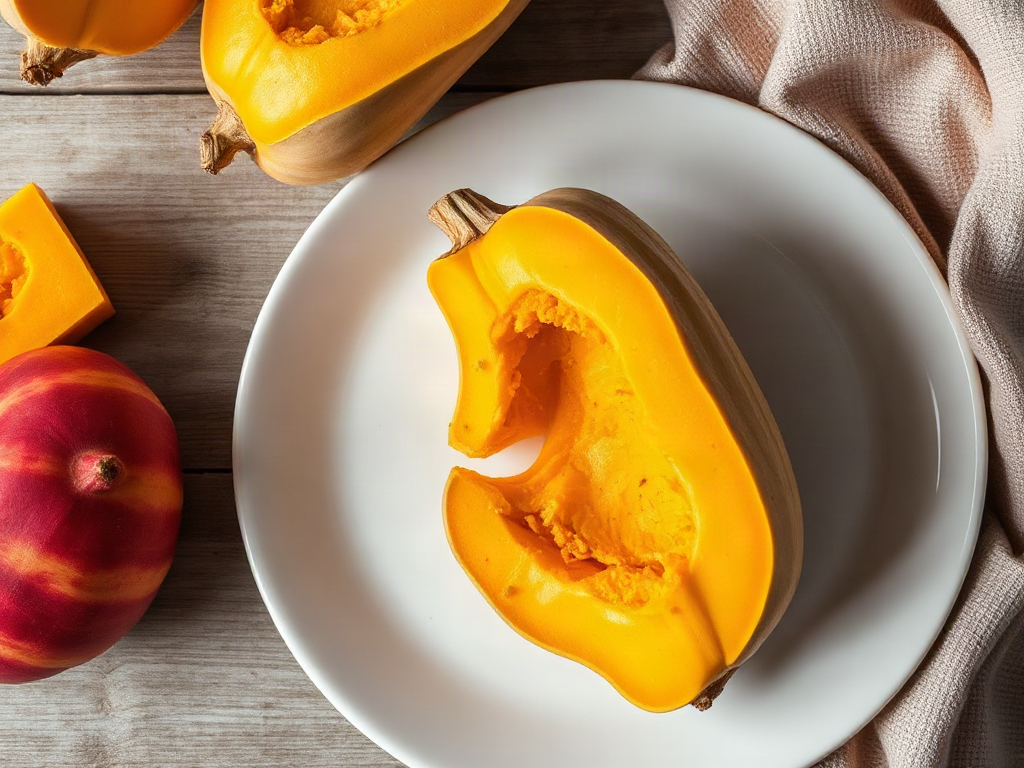
Kabocha squash nutrition and serving benefits come from its dense, naturally sweet flesh, which supplies dietary fiber, carotenoids, potassium, and carbohydrate for a satisfying side dish or meal component. Roasting, steaming, or simmering preserves its useful whole-food qualities, while leaving the skin on can add texture and reduce preparation waste…

Low Residue Diet Food Choices Explained: Foods, Portions, And Meal Examples
Whole Food Nutrition

Low Residue Diet Food Choices Explained: Foods, Portions, And Meal Examples

Low residue diet food choices explained means selecting foods that leave less undigested material in the intestine, usually by limiting fiber, seeds, skins, tough textures, and foods that increase stool volume. Common options include refined breads, white rice, eggs, tender poultry, fish, smooth nut butter, peeled potatoes, and well-cooked low-fiber vegetables.

Scroll to Top