
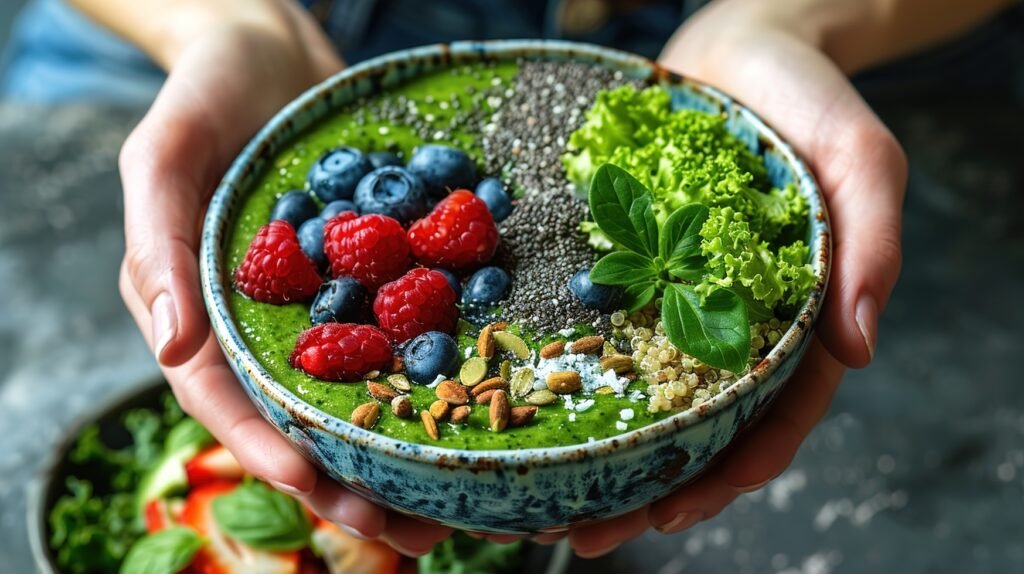
When choosing superfoods, a common mistake is relying solely on marketing claims without assessing nutritional content. Many consumers gravitate towards trendy items, neglecting the importance of a balanced diet that incorporates a variety of foods. This can lead to deficiencies in essential nutrients. To avoid this pitfall, always scrutinize labels for sugar and fat content and prioritize superfoods that are rich in vitamins and minerals, such as kale, quinoa, and berries. Ensuring a diverse intake will maximize health benefits and support overall well-being.
Understanding Superfoods and Their Claims
Superfoods are touted for their high nutrient density and health benefits, but not all claims are supported by scientific evidence. A common mistake is assuming that a single superfood can provide all necessary nutrients, leading to an unbalanced diet. It’s essential to research the specific health benefits attributed to these foods and understand the context of their effectiveness.
For example, while acai berries are often praised for their antioxidant properties, relying solely on them without incorporating a variety of fruits and vegetables can lead to deficiencies in other vital nutrients. Assessing the full spectrum of dietary needs is crucial for optimal health.
Evaluating Nutritional Content
When selecting superfoods, many individuals fail to evaluate their nutritional content adequately. This oversight can lead to choosing foods that are marketed as superfoods but are low in essential nutrients. For instance, some products may be high in sugar or unhealthy fats, undermining their purported health benefits.
To make informed choices, always check nutritional labels and ingredient lists. Look for superfoods that are rich in vitamins, minerals, and fiber, while being low in added sugars and unhealthy fats. Examples include kale, quinoa, and blueberries, which provide a wide range of nutrients without unnecessary additives.
Considering Dietary Balance
Another frequent misstep is neglecting dietary balance when incorporating superfoods. While these foods can enhance a diet, they should not replace other essential food groups. A common mistake is focusing too heavily on a few superfoods while ignoring whole grains, lean proteins, and healthy fats.
To maintain a balanced diet, aim for variety. Incorporate superfoods as part of a broader dietary strategy that includes whole grains, proteins, and healthy fats. For example, pairing quinoa (a superfood) with vegetables and lean protein creates a nutritionally balanced meal, ensuring that you meet your body’s diverse needs.
Recognizing Marketing Tactics
Consumers often fall prey to marketing tactics that exaggerate the benefits of superfoods. Phrases like “miracle” or “instant health benefits” can mislead individuals into believing that certain foods alone will resolve health issues. This misunderstanding can result in disappointment and confusion about overall dietary approaches.
Always approach superfood marketing with skepticism. Research the claims made and consult credible sources, such as nutritionists or scientific studies, to verify the benefits. Understanding the difference between marketing hype and factual information will empower you to make informed decisions.
Frequently Asked Questions
What are superfoods?
Superfoods are nutrient-rich foods that are considered beneficial for health and well-being, often due to their high concentrations of vitamins, minerals, and antioxidants.
How can I identify a genuine superfood?
Look for scientific evidence supporting health claims, check nutritional labels, and choose foods with a diverse nutrient profile.
Are superfoods necessary for a healthy diet?
No, while superfoods can enhance health, a balanced diet with a variety of whole foods is essential for overall nutrition.
Can I rely solely on superfoods for nutrition?
Relying solely on superfoods is a mistake; they should complement a balanced diet, not replace other food groups.
What common mistakes should I avoid when choosing superfoods?
Avoid focusing solely on trendy superfoods, neglecting nutritional content, and falling for exaggerated marketing claims.
Conclusion
Choosing superfoods can enhance your diet, but awareness of common mistakes is crucial for making informed decisions. Focus on nutritional content, maintain dietary balance, and be cautious of marketing claims. By integrating superfoods mindfully and understanding their place in a diverse diet, you can maximize health benefits and avoid potential pitfalls.
Related Content
- How to Identify Low-Quality Whole Food Products: Key Characteristics and Red Flags
- How to Balance Superfoods With Other Dietary Needs: Key Foods and Practical Strategies
- Leafy Vegetables for Weight Loss Without Guesswork: Portions, Pairings, and a Practical Plan
- Reasons Whole Foods May Not Meet Nutrient Needs: Common Deficiencies and Misconceptions
- How to Maximize the Benefits of Superfoods: Essential Foods, Preparation Methods, and Daily Habits