
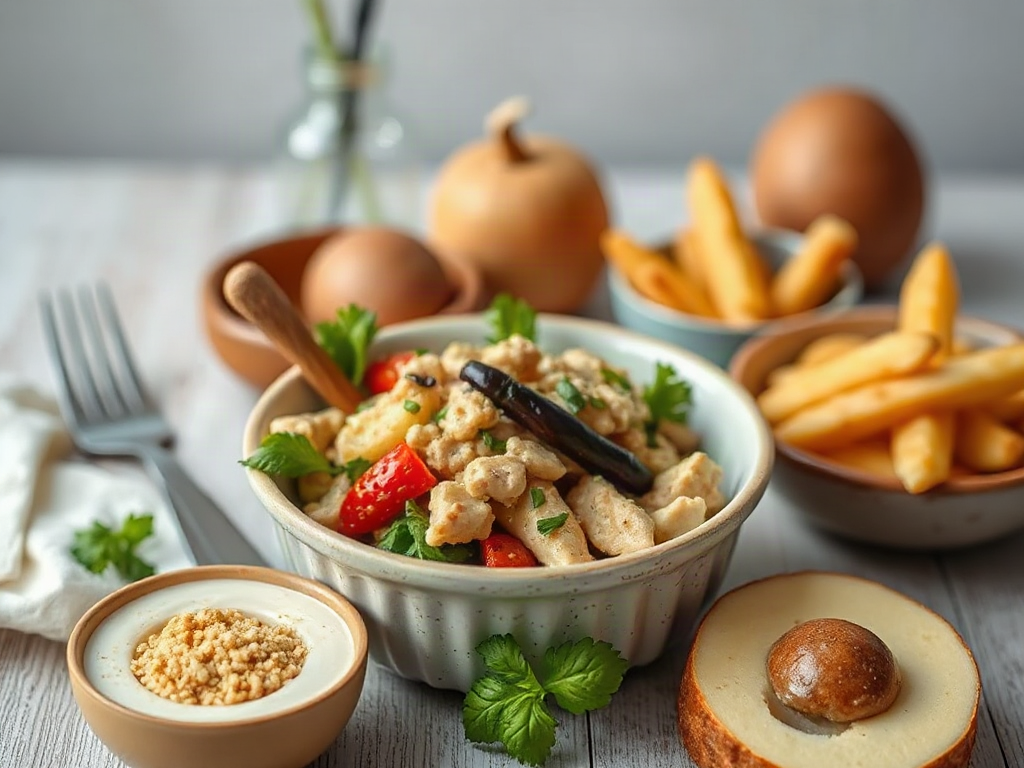
High-protein meals that support weight loss combine a substantial protein source with vegetables, high-fiber carbohydrates, and a measured amount of fat so meals stay filling without becoming calorie-dense. Greek yogurt with berries, eggs with vegetables and whole-grain toast, chicken with roasted vegetables, lentil bowls, and salmon with greens can all fit this approach. Protein may help preserve lean tissue during weight loss and can make hunger easier to manage, but large portions, creamy sauces, oils, and refined sides can offset that advantage. Build meals around protein first, check the total plate, and adjust portions according to hunger, activity, dietary needs, and progress rather than assuming more protein always produces better results.
What Makes a High-Protein Meal Weight-Loss Friendly
A useful weight-loss meal is not defined by protein alone. It pairs protein with volume, fiber, and enough flavor to remain satisfying while keeping total energy appropriate for the person eating it. Chicken breast, tofu, cottage cheese, fish, eggs, beans, lentils, and plain Greek yogurt can all serve as the anchor, but the surrounding ingredients determine whether the plate is balanced or quietly calorie-heavy.
Protein can make meals more filling and may help preserve lean tissue when calorie intake is reduced. That does not mean a high-protein label guarantees weight loss. A salad topped with a modest portion of grilled chicken can become energy-dense when it includes a large amount of cheese, nuts, oil, and creamy dressing. Conversely, a bean-and-vegetable bowl may be satisfying even though its protein comes from plants and is accompanied by high-fiber carbohydrates.
A practical plate often includes a palm-sized serving of protein, at least one or two kinds of vegetables, a moderate serving of beans, potatoes, fruit, or whole grains, and a measured source of fat. Portions should reflect appetite and energy needs rather than a rigid template. Someone who is active may need more carbohydrate around training, while someone with a low appetite may prefer a smaller meal and a protein-rich snack later.
The common mistake is treating protein as permission to ignore the rest of the meal. Bacon-heavy breakfasts, oversized protein shakes, fried chicken, and processed bars can contain substantial protein without offering the fiber, micronutrients, or portion control found in more minimally processed choices. Use High-protein meals that support weight loss as a planning concept, not as a reason to rank foods by protein grams alone.
Whole-Food Meal Ideas for Breakfast, Lunch, and Dinner
Breakfast works well when protein is combined with produce and a slowly digested carbohydrate. Plain Greek yogurt with berries, oats, chia seeds, and a small amount of walnuts offers creaminess, fiber, and texture without relying on a sweetened flavored yogurt. Another option is eggs scrambled with spinach, mushrooms, and tomatoes, served with one slice of whole-grain toast. Egg whites can increase protein while whole eggs contribute flavor and nutrients, but using only whites is not automatically necessary.
Lunch should be portable and substantial enough to prevent a late-afternoon rebound in hunger. A chicken, lentil, or tofu salad can include leafy greens, cucumber, peppers, a measured amount of olive-oil dressing, and a small serving of quinoa or beans. A whole-grain wrap filled with tuna, plain yogurt, celery, and herbs is often more practical than a very large salad for someone who needs a meal that travels well. The useful comparison is not salad versus sandwich; it is a balanced portion versus a meal that leaves the person searching for snacks an hour later.
Dinner can use familiar combinations rather than specialized diet recipes. Try baked salmon with roasted broccoli and a small potato, turkey and bean chili with extra vegetables, or tofu stir-fried with cabbage, carrots, and edamame over a moderate serving of brown rice. These meals provide different textures and flavors, which matters for adherence. A low-calorie dinner that feels restrictive may produce more evening grazing than a slightly larger plate with a clear protein source and a satisfying side.
Plant-based meals deserve careful construction. Beans, lentils, tempeh, tofu, edamame, and seitan can contribute meaningful protein, but the protein density varies. A lentil soup paired with a yogurt topping or a tofu bowl with edamame may be more filling than a vegetable-only bowl. If using meat substitutes, check the ingredient list and nutrition panel; some are convenient but relatively high in sodium or fat. For more meal ideas, link planning back to High-protein meals that support weight loss rather than chasing novelty.
Portions, Cooking Methods, and Hidden Calories
Portion awareness matters because protein-rich ingredients can still be energy-dense. Salmon, cheese, nuts, seeds, avocado, and olive oil have nutritional value, yet generous servings can change the calorie profile of an otherwise balanced plate. Measuring oil for a week, using a smaller handful of nuts, or serving cheese as a garnish rather than the main ingredient can reveal where a meal is becoming larger than intended.
Cooking method also changes the result. Grilling, baking, steaming, poaching, and air-frying with a light coating of oil often preserve the basic structure of a meal without adding much extra energy. Deep-frying, breading, and creamy sauces can turn lean poultry or vegetables into a substantially richer dish. Flavor does not require a heavy sauce: citrus, vinegar, garlic, herbs, chili, mustard, and spice blends can make beans, fish, eggs, or tofu more appealing.
Restaurant meals create a different constraint. A grilled chicken entrée may arrive with a large starch portion, buttered vegetables, and dressing on the side but still be described as healthy. Ask for sauces separately, choose one starch, and stop when comfortably satisfied rather than treating the full plate as a required serving. At home, batch-cooking plain protein and vegetables can help, but reheating only protein may produce a dry meal that encourages high-calorie toppings. Store a sauce separately and use a measured amount.
A frequent misconception is that a protein shake is automatically better than a meal. Shakes can be useful when time, appetite, or access is limited, but they may provide less chewing satisfaction and less fiber than a bowl containing yogurt, fruit, and oats. Check whether a shake is replacing a meal or adding to it. If weight is not changing as expected, review liquid calories, cooking fats, snack portions, and weekend meals before simply increasing protein.
How to Build a Sustainable Daily Eating Pattern
A sustainable pattern distributes protein across meals instead of concentrating nearly all of it at dinner. Breakfast, lunch, dinner, and an optional snack can each contain a recognizable protein source. This structure may make hunger easier to interpret and reduces dependence on emergency foods. It does not require identical portions or a perfectly calculated target; the useful starting point is consistency and observation.
Build a short rotation that fits real constraints. For example, prepare hard-boiled eggs, cooked lentils, washed greens, roasted vegetables, and a batch of brown rice for several days. These components can become a breakfast plate, a lunch bowl, or a quick dinner with different seasonings. Frozen vegetables, canned beans, canned fish, and plain yogurt can be practical alternatives when fresh cooking is unrealistic. Convenience is not a failure if the ingredients support the intended meal.
Use this compact check when a meal feels unsatisfying or progress has stalled:
- Protein: Is there a clear source, and is the portion enough to make the meal substantial?
- Volume and fiber: Are vegetables, fruit, beans, or whole grains present?
- Added energy: Did oil, cheese, dressing, sweet drinks, or toppings become the largest part of the plate?
- Practical fit: Can the meal be prepared, stored, and repeated without excessive effort?
Signs the approach is working include steadier hunger, fewer unplanned snacks, adequate energy, and a pattern that can be repeated without constant calculation. Signs it needs adjustment include persistent fatigue, strong cravings, digestive discomfort, or meals so small that evening overeating becomes predictable. Medical conditions, pregnancy, kidney disease, eating-disorder history, and specialized athletic goals require individualized guidance; higher protein is not appropriate to apply blindly. A registered dietitian or clinician can help adapt portions and food choices to those circumstances.
Weight change also deserves a realistic time frame. Daily scale movement reflects fluid, sodium, digestion, and menstrual-cycle changes as well as body fat. Review trends over several weeks alongside hunger, energy, and meal consistency. If the pattern is nutritionally sound but difficult to maintain, simplify it before making it stricter. The best meal plan is the one that provides adequate nourishment, fits the household budget and schedule, and makes reasonable portions feel normal.
Frequently Asked Questions
Can high-protein meals cause weight loss by themselves?
No. Protein may improve fullness and help preserve lean tissue during weight loss, but total food intake, portion size, activity, sleep, and consistency still affect results.
What are good protein choices for a whole-food meal?
Useful choices include eggs, fish, poultry, plain Greek yogurt, cottage cheese, tofu, tempeh, edamame, beans, and lentils. Select based on preference, budget, dietary pattern, and tolerance.
Are carbohydrates allowed in weight-loss meals?
Yes. Potatoes, oats, fruit, beans, and whole grains can provide fiber and energy. A moderate portion paired with protein and vegetables is often more sustainable than eliminating carbohydrates.
Is a protein shake better than a solid meal?
Not necessarily. A shake can be convenient, but a solid meal often provides more chewing satisfaction and fiber. Use shakes as a practical option rather than assuming they are automatically superior.
How can I tell whether my meals need adjustment?
Look at hunger between meals, energy, digestion, portion consistency, and weight trends over several weeks. Persistent fatigue, excessive hunger, or difficulty sustaining the plan suggests that portions or food choices may need review.
Conclusion
Effective high-protein eating for weight loss is less about maximizing protein and more about constructing meals that remain satisfying at an appropriate portion. Anchor each plate with a recognizable protein source, add vegetables or fruit, include a useful amount of fiber-rich carbohydrate, and measure calorie-dense extras often enough to understand their impact. Choose meals that fit your schedule, budget, cooking skills, and dietary needs so the pattern can continue beyond a few highly motivated days. If hunger, fatigue, digestive symptoms, or a medical condition complicates the plan, adjust with professional guidance rather than applying a stricter rule. Start with two or three repeatable meals, observe how they affect appetite and energy, then refine portions based on real experience.
Related Content
- What to Know About Superfoods and Allergies: Identifying Risk Factors and Safe Choices
- Whole Food Nutrition: Why It’s Better Than Processed Diets
- Alternative Superfoods for Common Dietary Restrictions: Foods, Nutritional Benefits, and Preparation Tips
- 10 Surprising Benefits of Whole Food Superfoods for Your Health
- What to Consider When Combining Superfoods for Maximum Nutritional Benefit