
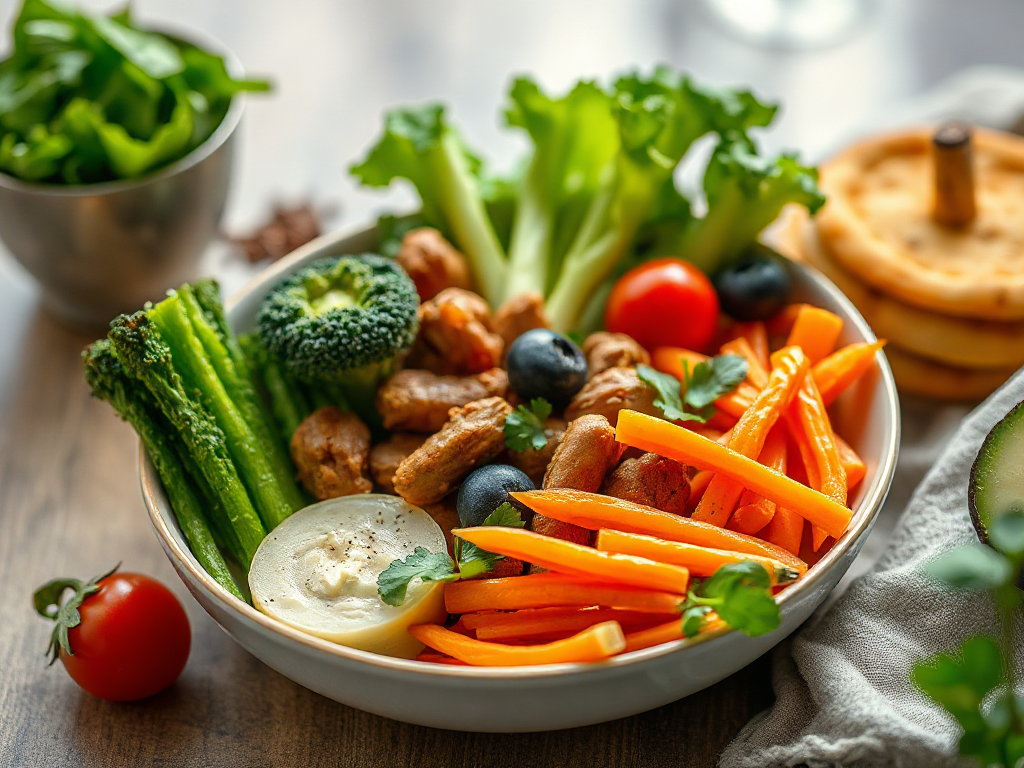
Balance superfoods with other nutritional needs by treating them as additions to a varied eating pattern, not replacements for protein, carbohydrates, healthy fats, fluids, or ordinary vegetables and fruits. Build meals around a reliable protein source, a fiber-rich carbohydrate, colorful produce, and a modest portion of a nutrient-dense food such as berries, beans, leafy greens, seeds, or fermented vegetables. Check whether a superfood displaces more substantial foods, concentrates calories or supplements, or causes digestive discomfort. Variety, portion awareness, dietary tolerance, budget, and any medically required restrictions should guide the final combination.
Give Superfoods the Right Role in a Complete Diet
Superfoods are best viewed as nutrient-dense ingredients within a broader eating pattern. Berries may provide fiber and plant compounds, beans contribute protein and minerals, leafy greens add folate and vitamin K, and seeds supply unsaturated fat and minerals. None of those foods, by itself, supplies every nutrient the body needs. A meal built around a small serving of chia seeds but lacking sufficient energy, protein, or fluid may look health-focused while remaining nutritionally incomplete.
The useful question is not whether an ingredient has an impressive nutrient profile. It is whether that ingredient improves the meal without crowding out foods that supply something else. A smoothie containing spinach, berries, and a powdered green product may be rich in certain vitamins, yet it may leave a person hungry if it contains little protein or fat. Adding plain yogurt, soy milk, tofu, or another suitable protein source can make the meal more sustaining. Oats, whole-grain bread, or another carbohydrate can provide a different type of fuel.
Whole-food choices also deserve priority over concentrated products when the two serve different purposes. A scoop of a powder may be convenient, but it generally does not reproduce the texture, fullness, culinary flexibility, or complete nutrient mix of a meal containing vegetables, grains, legumes, or fruit. Supplements can be relevant for a documented deficiency or a restricted diet, but more is not automatically better. The NIH Office of Dietary Supplements notes that supplement usefulness and safety depend on the specific nutrient, dose, and individual context.
A practical test is simple: after adding a highlighted ingredient, can the meal still include a protein source, a substantial carbohydrate or other energy source, produce, and a source of unsaturated fat when appropriate? If not, the ingredient may be functioning as a substitute rather than a complement. Readers comparing recipes can use how to balance superfoods with other nutritional needs as a planning lens rather than chasing a single “best” ingredient.
Build Meals Around Missing Nutrients
Meal balance improves when the less glamorous nutritional needs are identified first. Protein supports tissue maintenance and contributes to fullness; carbohydrates provide a readily available energy source; fats help supply essential fatty acids and assist with the use of fat-soluble vitamins; and fiber, fluids, and minerals support normal digestion and body functions. Superfoods can contribute to several of these categories, but their contribution varies by portion.
Start with the meal’s foundation, then add the specialty ingredient. For example, a lunch of quinoa, roasted chickpeas, vegetables, tahini, and pumpkin seeds has more structural balance than a bowl of greens topped with a few seeds. The first version combines carbohydrate, plant protein, fiber, and unsaturated fat. The second may be rich in produce but too light for someone with high energy needs. A person who eats fish, eggs, dairy, or meat may use a smaller legume portion; a vegan eater may need more deliberate combinations across the day rather than relying on a garnish.
Food composition data from USDA FoodData Central can help when a recipe depends on a particular nutrient, such as iron, calcium, protein, or magnesium. Data are most useful for comparing realistic portions, not for ranking ingredients by an isolated number. A tablespoon of seeds and a full serving of beans are not interchangeable simply because both appear on a nutrient list.
Consider these pairing decisions:
- For a light fruit-based breakfast: add Greek yogurt, fortified soy milk, eggs, tofu, or another protein option, along with oats or whole-grain toast if more energy is needed.
- For a leafy salad: include lentils, beans, chicken, fish, tofu, or another protein, then add a grain, potato, avocado, nuts, or olive-oil dressing according to appetite and dietary needs.
- For a seed- or nut-heavy snack: keep the portion moderate and pair it with fruit or yogurt rather than treating it as a complete meal.
The common mistake is correcting one perceived gap while creating another. Adding a high-protein powder to a breakfast that already meets protein needs may do little if the meal remains low in fiber and produce. Conversely, increasing raw greens and seeds without considering digestion can make a nutritionally thoughtful plan difficult to maintain.
Use Portions, Variety, and Timing Wisely
Portion determines whether a superfood is a useful accent or an unbalanced centerpiece. Nuts, seeds, dried fruit, avocado, oils, and many powders can be nutrient-rich while also delivering concentrated calories. That is not a flaw, but it makes serving size relevant. A spoonful of ground flax can fit comfortably into oatmeal; several large spoonfuls may alter the meal’s energy, texture, and digestive tolerance without providing a proportional advantage.
Variety matters because different foods bring different nutrient patterns. Rotating berries with citrus, beans with lentils, and spinach with broccoli or peppers reduces dependence on one ingredient and broadens the range of nutrients and plant compounds in the diet. Color is a useful visual prompt, but it should not replace attention to protein, energy, and tolerance. A colorful plate can still be too small or too low in protein for the person eating it.
Timing is mainly a practical tool. A fiber-rich food may be easier to tolerate when introduced gradually and eaten with enough fluid. A higher-fat ingredient may make a meal more satisfying, while a very large amount immediately before exercise may feel uncomfortable. People who experience bloating after beans, large servings of cruciferous vegetables, sugar alcohols, or certain powders can reduce the portion, cook the food more thoroughly, or test one change at a time. Persistent or severe symptoms should not be managed solely through internet nutrition advice.
Someone preparing for a long hike might combine oats, banana, nut butter, and yogurt several hours before leaving, then use dried fruit or a simpler snack during activity. Someone eating at a desk may prefer a bean-and-grain bowl that holds well and provides a more predictable afternoon appetite. The same ingredient can be useful in one setting and inconvenient in another. Effective planning accounts for schedule, cooking access, appetite, cultural food preferences, and cost.
Signs the approach is working include meals that remain satisfying, adequate energy between meals, comfortable digestion, and enough variety to prevent nutritional tunnel vision. Signs it needs revision include replacing meals with powders, persistent hunger, escalating portions of concentrated ingredients, or avoiding entire food groups without a clear reason.

Spot Common Tradeoffs and Make Adjustments
The biggest tradeoff is often attention. Marketing may direct interest toward an exotic berry, algae powder, mushroom blend, or seed while ordinary foods provide the protein, calcium, carbohydrate, and total energy that the meal lacks. A less expensive bowl of oats with fruit, milk or fortified soy beverage, and seeds may be more useful day to day than a costly powder added to an otherwise incomplete breakfast.
Another tradeoff involves raw enthusiasm versus tolerance. Increasing legumes, bran, chia, or raw vegetables quickly can raise fiber intake faster than the digestive system comfortably adapts. Gradual changes, adequate fluids, and cooked options may make the plan more workable. People taking medicines or using concentrated supplements should check with a clinician or pharmacist because some products can be inappropriate with certain conditions or treatments. Food safety also matters: wash produce, store perishable foods correctly, and use reputable products when buying powders or supplements.
Use a short review before making a major dietary change:
- Name the job: decide whether the ingredient is being used for flavor, fiber, protein, convenience, or a specific nutrient.
- Check the meal: identify what it already provides and what it lacks.
- Add the missing category: choose a normal food that supplies the gap instead of stacking multiple concentrated products.
- Test tolerance: introduce one change in a manageable portion and observe appetite, digestion, and practicality.
- Reassess the pattern: keep foods that fit the budget and routine, and replace those that create unnecessary cost or discomfort.
Medical needs can change this process. A person with kidney disease, diabetes, food allergies, pregnancy-related nutrition needs, or a diagnosed deficiency may require individualized guidance about minerals, carbohydrate portions, supplements, or food safety. A general superfood list cannot replace that assessment. For broad nutrition questions, how to balance superfoods with other nutritional needs is a useful starting point, but personal restrictions should take precedence over trend-based claims.
Frequently Asked Questions
Can superfoods replace a balanced meal?
Usually not. A single ingredient or powder rarely supplies the full combination of protein, energy, fiber, fats, fluids, and micronutrients found in a varied meal.
How much of a superfood should be added?
Use the portion suggested for the specific food or product, then consider its calorie, fiber, sugar, fat, and supplement content. Concentrated ingredients generally need smaller portions than fresh produce.
Are superfood powders better than whole foods?
Not automatically. Powders may be convenient, but whole foods usually offer more meal volume and variety. Products also require attention to ingredients, dose, quality, and possible interactions.
How can someone balance superfoods on a plant-based diet?
Include legumes, soy foods, whole grains, nuts or seeds, vegetables, and fruit across the day. Fortified foods or professional advice may be appropriate for nutrients that are difficult to obtain from an individual diet.
What if a superfood causes bloating?
Reduce the portion, introduce it more gradually, try a cooked form, and change only one variable at a time. Ongoing, painful, or severe symptoms warrant medical evaluation.
Conclusion
A sensible superfood routine begins with the meal’s nutritional structure, not with the most heavily promoted ingredient. Keep reliable sources of protein, carbohydrates, fats, produce, fiber, and fluids in view, then use nutrient-dense foods to add variety or address a specific gap. Compare realistic portions, favor affordable whole foods when they serve the same purpose, and introduce high-fiber or concentrated products slowly enough to judge comfort. Watch for displacement, persistent hunger, escalating supplement use, and unnecessary restrictions. If a medical condition, medication, allergy, pregnancy, or diagnosed deficiency affects your choices, individualized advice deserves priority. The next useful step is to review one ordinary meal, identify what it lacks, and add one compatible food rather than several trendy products at once.
Related Content
- Practical Adjustments When Superfoods Don’t Match Your Taste: Creative Solutions and Flavor Enhancements
- SIBO-friendly foods and common tolerance considerations: Portions, Preparation, and Symptom Tracking
- How to Find Local Sources for Fresh Superfoods: Effective Methods and Community Resources
- What To Do If Superfoods Disrupt Your Daily Routine: A Practical Reset Plan
- Confusion About Superfoods vs. Supplements: Key Differences and Practical Applications