
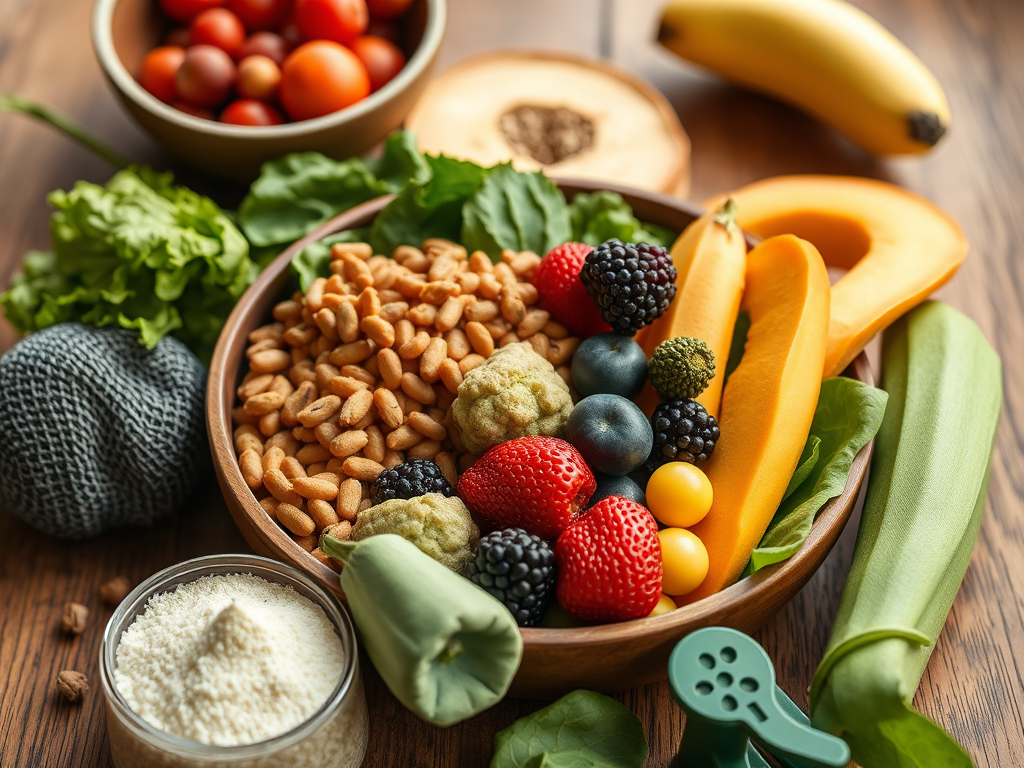
To navigate common misconceptions about superfoods, it's essential to understand their actual nutritional value and practical applications. Many people believe that superfoods alone can drastically improve health, which can lead to disappointment. Instead, focus on incorporating a variety of whole foods into your diet for balanced nutrition. Misunderstandings often stem from marketing hype, so it's crucial to critically evaluate claims and prioritize foods that fit your individual health needs.
Defining Superfoods and Their Nutritional Value
Superfoods are often marketed as nutrient-rich foods that offer health benefits beyond basic nutrition. However, the term “superfood” lacks a scientific definition and is primarily a marketing label. Understanding the nutritional value of these foods is essential for making informed dietary choices. Foods such as kale, blueberries, and quinoa are frequently categorized as superfoods due to their high levels of vitamins, minerals, and antioxidants.
Despite their benefits, it’s crucial to recognize that no single food can provide all the nutrients required for optimal health. A balanced diet that includes a variety of fruits, vegetables, whole grains, and proteins is necessary for overall well-being. Misconceptions arise when people rely solely on superfoods for their health, neglecting the importance of dietary diversity.
Common Misconceptions About Superfoods
One prevalent misconception is that consuming superfoods can lead to immediate health improvements or weight loss. Many individuals may think that adding a few superfoods to their diet will magically enhance their health. However, the reality is that health improvements are often the result of long-term dietary patterns rather than isolated food items.
Another common myth is that superfoods are always expensive or inaccessible. While some superfoods can be pricey, many nutrient-dense foods like beans, lentils, and seasonal vegetables are affordable and widely available. This misconception can deter individuals from exploring a variety of healthy options that fit their budget.
Practical Ways to Incorporate Superfoods
Incorporating superfoods into your diet doesn’t have to be complicated. Start by adding a handful of spinach to your smoothies or salads, or include a serving of berries with your breakfast. These small changes can enhance your nutrient intake without overwhelming your daily routine.
Meal planning is another effective strategy. By planning your meals around seasonal produce and whole grains, you can create balanced dishes that include superfoods. Consider making a quinoa salad with mixed vegetables and a dressing made from olive oil and lemon juice for a nutritious and satisfying meal.
Evaluating Claims and Marketing Hype
When navigating superfood claims, it’s essential to approach marketing materials with a critical eye. Many products tout exaggerated health benefits that may not be supported by scientific evidence. Researching the nutritional profile of a food and consulting reliable sources can help you separate fact from fiction.
Moreover, consider the source of the information. Peer-reviewed studies and reputable health organizations provide trustworthy insights into the benefits of specific foods. By focusing on evidence-based information, you can make informed choices that align with your health goals.
Frequently Asked Questions
What are superfoods?
Superfoods are nutrient-dense foods that are believed to offer health benefits beyond basic nutrition, though the term lacks a scientific definition.
Can superfoods help with weight loss?
Superfoods alone do not guarantee weight loss; a balanced diet and healthy lifestyle are essential for effective weight management.
Are superfoods always expensive?
No, many affordable superfoods, like beans and seasonal fruits, are available, making healthy eating accessible to everyone.
How can I incorporate superfoods into my diet?
Start by adding small amounts of superfoods, like spinach or berries, to meals, or plan meals around whole grains and seasonal produce.
How do I evaluate superfood claims?
Research the nutritional value of superfoods and consult reliable sources to differentiate between marketing hype and factual benefits.
Conclusion
Understanding how to navigate common misconceptions about superfoods is vital for making informed dietary choices. By focusing on the true nutritional value of these foods and incorporating a variety of whole foods into your diet, you can achieve a balanced and healthy lifestyle. Remember to critically evaluate marketing claims and prioritize foods that meet your individual health needs. By doing so, you can enjoy the benefits of superfoods without falling prey to common myths.
Related Content
- How to Know If a Superfood Is Right for You: Key Factors and Practical Evaluation Steps
- How to Determine the Quality of Superfood Snacks: Key Indicators and Evaluation Techniques
- Identifying Signs of Nutrient Deficiency with Whole Foods: Symptoms, Causes, and Effective Solutions
- How to Adapt Superfood Intake for Different Life Stages: Nutritional Needs and Key Food Choices
- Omega 6 Foods and Dietary Balance: Sources, Ratios, and Smarter Meal Choices