
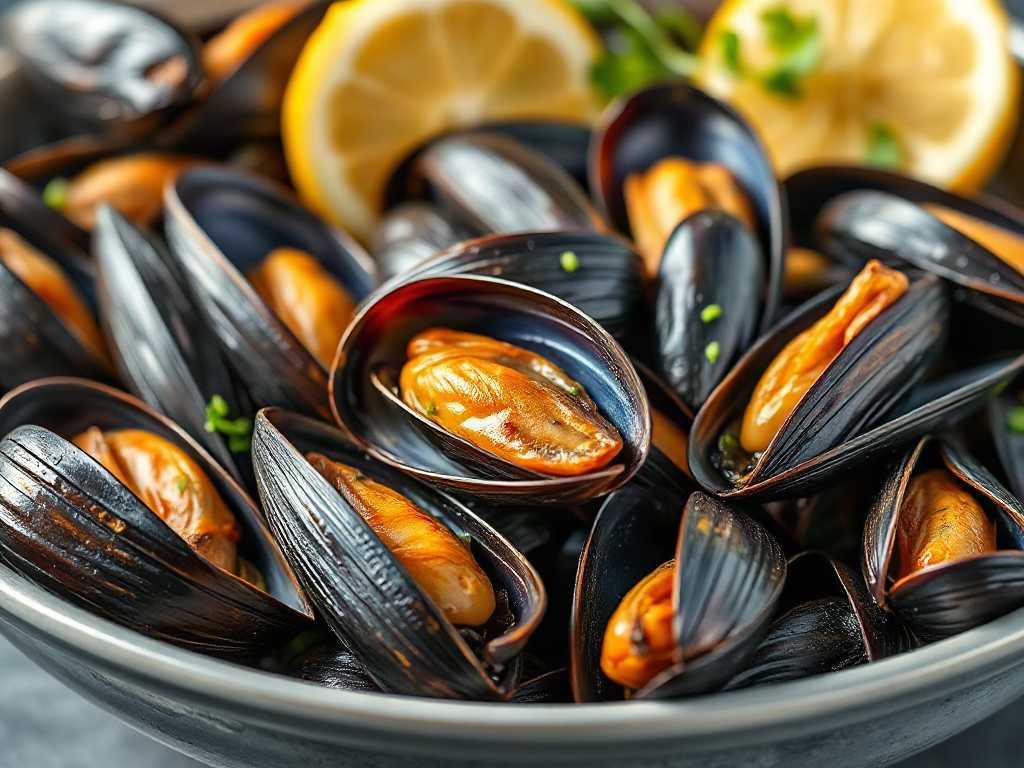
Mussels nutrition compares favorably with many seafood choices because mussels provide substantial protein, vitamin B12, iron, and marine omega-3 fats while generally carrying less mercury than large predatory fish. Their iron and B12 content can make them especially useful for people seeking more nutrient density from a modest portion, whereas salmon usually offers more omega-3 and shrimp often supplies fewer calories but less iron. The main tradeoff is food safety: mussels must come from approved waters, remain properly chilled, and be cooked until the shells open and the flesh is firm. Compare seafood by nutrient priorities, species, serving size, and preparation rather than assuming every shellfish has the same profile.
Where Mussels Stand Nutritionally
Mussels are nutrient-dense bivalves that deliver meaningful protein without the heavy calorie load associated with breaded or creamy seafood dishes. A typical cooked serving supplies protein, vitamin B12, iron, selenium, and marine omega-3 fatty acids. The exact amounts vary with species, serving size, growing conditions, and whether the nutritional entry describes raw or cooked mussels, so package labels and a consistent portion are more useful than comparing isolated numbers from different tables.
Vitamin B12 is one of the clearest strengths. It is involved in red blood cell formation and normal nervous-system function, and mussels can provide a concentrated source in a relatively small serving. Iron is another point of distinction, particularly for people who eat little red meat. Mussel iron is heme iron, the form generally absorbed more efficiently than the non-heme iron found in plants, although absorption still varies among individuals and across meals. A serving paired with vegetables, beans, or whole grains can create a broader nutrient profile rather than relying on mussels alone.
The protein is complete, meaning it supplies all essential amino acids, but the practical value depends on the meal around it. Steamed mussels with tomatoes, garlic, and whole-grain bread offer a different nutritional outcome from mussels fried in a thick coating. Added butter, cream, sodium-heavy broth, or refined starch may dominate the final calorie and sodium total. The common mistake is to treat the food’s nutrient database entry as the nutritional profile of every mussel dish.
Marine omega-3 fats are present, but mussels should not automatically be treated as interchangeable with oily fish. Salmon, sardines, and trout are usually more reliable choices when maximizing EPA and DHA is the primary goal. Mussels may be more attractive when the priority is a combination of B12, iron, protein, and relatively modest energy intake. Readers comparing options can also use mussels nutrition compared with other seafood to keep the comparison focused on the nutrients they actually need.
Mussels Versus Salmon, Shrimp, And Oysters
Mussels occupy a useful middle ground among common seafood choices. Salmon generally wins for omega-3 concentration and also provides protein and vitamin D, but it is a fattier fish and may contain more calories per serving. Shrimp is typically lean and protein-rich, making it convenient for a lower-calorie meal, yet it is not usually as strong a source of iron as mussels. Oysters can provide exceptional zinc and B12, while their portion size and texture may make them less practical for some households.
Consider three dinner decisions. Someone trying to increase EPA and DHA might choose baked salmon. Someone wanting quick protein for a salad may prefer shrimp. Someone concerned about iron intake, while still wanting seafood rather than red meat, may find mussels more useful. None of those choices is universally superior because the comparison changes with the nutrient, serving size, cooking method, and the rest of the diet.
Calorie comparisons also need context. Plain steamed or boiled mussels are different from restaurant mussels served with butter, cream, salty stock, or large amounts of bread. Shrimp can have a similarly lean profile before frying, while salmon’s natural fat contributes to satiety and carries fat-soluble nutrients. A lower-fat option is not automatically more nutritious if it leaves the meal short on energy or satisfaction; a higher-fat option is not automatically excessive when the portion fits the person’s needs.
A practical comparison can focus on four questions:
- Which nutrient is the priority: iron, B12, omega-3, zinc, vitamin D, or protein?
- Is the seafood plain, canned, smoked, breaded, or prepared in a rich sauce?
- Does the serving size match the database entry being used?
- Are safety, budget, availability, or environmental considerations changing the choice?
Using this approach avoids the weak assumption that “seafood” is one nutritional category. Mussels nutrition compared with other seafood is most meaningful when mussels are compared with a specific alternative and a specific purpose.
Mercury, Sustainability, And Food Safety Tradeoffs
Mussels are filter-feeding shellfish, not large predatory fish, so mercury concerns are generally different from those associated with species such as shark, swordfish, king mackerel, or some tuna. Lower mercury does not mean zero risk, and it does not remove the need to follow current local or national seafood advisories. The species, harvest location, and contamination history matter more than a broad label such as “shellfish.”
Food safety is the more immediate practical issue for mussels. Buy live mussels from a reputable seller, keep them cold, and avoid specimens with cracked shells or shells that remain open after a gentle tap. They should have a clean ocean smell rather than a strong sour or ammonia-like odor. Cooking should leave the meat firm and the shells open; mussels that fail to open after cooking should be discarded. These steps reduce avoidable risk, but they cannot guarantee safety for every person.
Raw or undercooked shellfish may be unsuitable for pregnant people, older adults, young children, and anyone with a weakened immune system. People with shellfish allergy need individualized medical guidance and should not use a nutritional comparison to justify exposure. Chronic liver disease and other health conditions can also change the consequences of foodborne infection. The failure mode here is focusing on mercury while ignoring sourcing, refrigeration, or undercooking.
Mussels may also compare favorably from a resource perspective because farmed mussels can be grown without feed inputs in the same way many finfish require them, but sustainability depends on farming practices, local ecosystems, labor, transport, and certification standards. A sustainability label can inform a purchase, yet it should not be confused with a guarantee that the product is nutritionally superior. Check the harvest information and follow seafood guidance for the location where you live.
How To Choose And Build A Seafood Meal
The best seafood choice begins with the nutritional job the meal needs to perform. Choose mussels when you want a protein-centered dish with strong B12 and iron contributions, salmon when omega-3 and vitamin D are higher priorities, shrimp when a lean and quick-cooking protein fits the plan, and oysters when zinc and B12 are especially relevant. Those are useful tendencies, not fixed rules; labels, species, and preparation can change the result.
For fresh mussels, inspect the shells and storage condition before thinking about recipes. For frozen or canned products, read the sodium and added-ingredient information. Canned mussels can be convenient and nutrient-rich, but smoked, marinated, or heavily seasoned versions may contribute considerably more sodium. Rinsing some canned seafood can reduce surface salt, although it may also affect texture and does not erase sodium added throughout the product.
A balanced plate might pair steamed mussels with tomatoes, leafy greens, potatoes, or whole-grain bread. The vegetables add fiber and vitamin C; the latter may improve the meal’s overall iron context, although it should not be described as a guaranteed absorption solution. A broth made from tomatoes, herbs, and a small amount of olive oil can deliver flavor without making cream or butter the main calorie source. If the meal already contains salty bread, cheese, or packaged stock, choose unsalted ingredients elsewhere.
Use this short decision sequence:
- Set the main target: protein, iron, B12, omega-3, lower calories, or convenience.
- Compare plain cooked portions, not a plain food against a rich restaurant preparation.
- Check sourcing, storage, advisories, and allergy or medical restrictions.
- Build the plate with vegetables and a suitable carbohydrate rather than treating seafood as the entire meal.
A sign that the approach is working is a meal that meets its intended nutrient role without excessive sauce, sodium, or oversized portions. A sign that the comparison has failed is choosing “healthy seafood” while the preparation supplies most of the meal’s salt and saturated fat. For more context, review mussels nutrition compared with other seafood alongside the exact product label.
Who May Need A More Careful Comparison
People with iron deficiency, low B12, or a diet low in animal foods may view mussels differently from someone simply seeking a lean dinner. Mussels can contribute useful amounts of these nutrients, but a food is not a diagnosis or a treatment. Persistent fatigue, abnormal blood counts, or suspected deficiency deserves appropriate clinical evaluation rather than self-prescribing large portions of shellfish.
Pregnancy adds another layer because seafood can provide valuable nutrients while food safety and species-specific advice become more important. Follow current guidance from a public health agency or qualified clinician for species, portions, and preparation. People with shellfish allergy should avoid mussels unless a specialist has provided a clear, individualized plan. Cross-contact in seafood counters, restaurants, and shared cooking surfaces can matter as much as the ingredient listed on a menu.
Those managing sodium intake should compare plain mussels with canned, smoked, pickled, or restaurant versions. Those watching calories should account for oil, cream, bread, and alcohol-based sauces rather than blaming the mussel itself. Someone with a limited seafood budget can alternate mussels with canned sardines, salmon, shrimp, or other available options, choosing based on nutrient priorities and reliable sourcing.
The most useful habit is rotation. Mussels can fill an iron-and-B12 niche, oily fish can cover a stronger omega-3 role, and smaller seafood choices may offer variety with different safety profiles. No single species needs to carry every nutritional objective. A varied pattern also makes it easier to respond to local advisories, price changes, availability, and personal tolerance without abandoning seafood altogether.
Frequently Asked Questions
Are mussels higher in iron than salmon?
Mussels are generally the stronger choice for iron, while salmon is usually chosen for its higher omega-3 contribution and vitamin D. Exact amounts depend on serving size and preparation.
Do mussels provide omega-3 fatty acids?
Yes. Mussels contain marine omega-3 fats, although oily fish such as salmon, sardines, and trout are typically more concentrated sources of EPA and DHA.
Are mussels low in mercury?
Mussels are generally considered lower-mercury seafood than large predatory fish, but harvest area and current local or national advisories still matter.
Are canned mussels as nutritious as fresh mussels?
Canned mussels can retain useful protein, B12, iron, and other nutrients. Compare labels because smoking, marinating, or added brine may substantially increase sodium.
Who should avoid mussels?
People with shellfish allergy should avoid them unless a qualified specialist gives individualized advice. Higher-risk groups for foodborne illness should avoid raw or undercooked mussels and follow current public health guidance.
Conclusion
Mussels deserve a place in a varied seafood pattern when iron, vitamin B12, complete protein, and moderate energy density are useful priorities. Salmon remains a stronger omega-3-focused choice, shrimp offers a lean and convenient option, and oysters bring a different emphasis on nutrients such as zinc. Compare plain portions and then account for the sauce, breading, brine, or smoking that changes the finished meal. Source mussels responsibly, keep them cold, cook them thoroughly, and follow current shellfish advisories. People with allergy, pregnancy-related questions, immune concerns, or suspected nutrient deficiency should use professional guidance rather than relying on a general ranking. The next practical step is to choose the nutrient goal first, then select the seafood and preparation that fit it.
Related Content
- What to Prioritize When Adopting Whole Food Nutrition: Key Foods, Meal Planning, and Nutritional Balance
- Why Whole Foods Might Not Satisfy Your Cravings: Understanding Nutritional Needs and Psychological Factors
- Issues With Integrating Whole Foods Into a Busy Lifestyle: Practical Solutions and Common Mistakes
- Nutrient Dense Foods That Don’t Work for Weight Loss: Common Misconceptions and Real Impacts
- What to Consider When Selecting Superfoods for Children: Nutritional Needs, Safety, and Practicality