
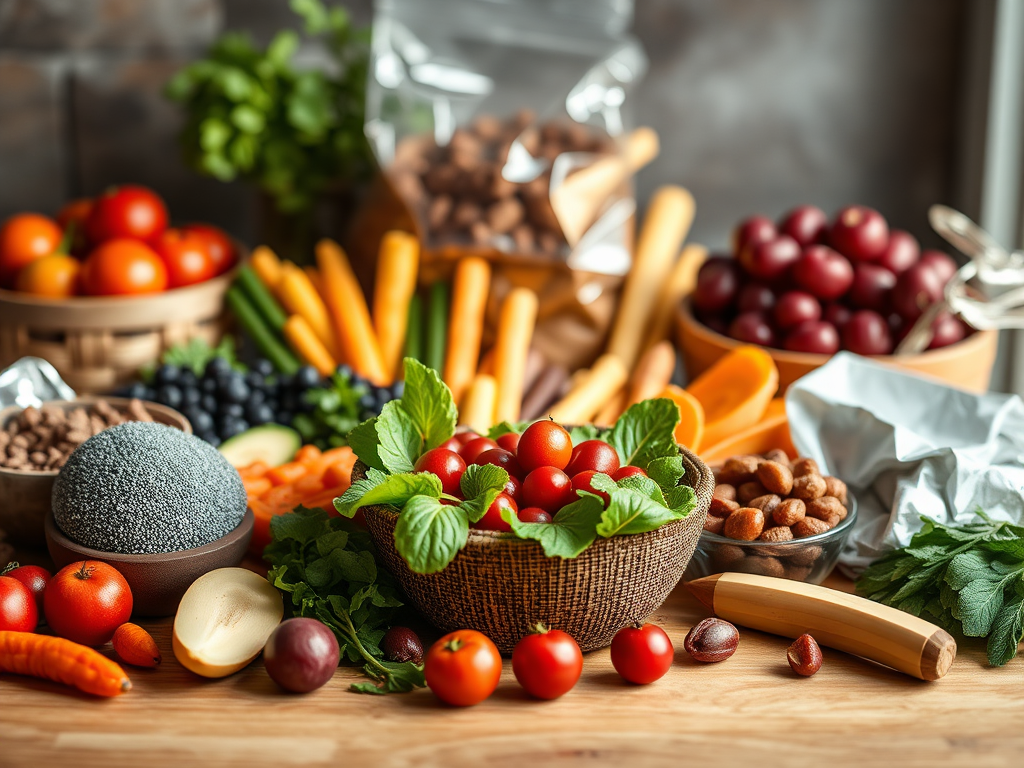
Some superfoods may lead to digestive discomfort due to their high fiber content, potential allergens, or compounds like FODMAPs that can trigger gut issues. Foods such as beans, certain nuts, and cruciferous vegetables can be hard to digest for some individuals, causing bloating or gas. To mitigate these effects, it's essential to introduce superfoods gradually, ensure proper preparation, and listen to your body's responses.
Understanding Digestive Discomfort
Digestive discomfort is often a result of the body’s reaction to various foods, including superfoods. While superfoods are generally celebrated for their health benefits, they can sometimes lead to bloating, gas, or other gastrointestinal issues. These reactions can occur due to several factors, including individual sensitivities, the body’s ability to digest certain compounds, and the overall composition of the diet.
Many superfoods are high in fiber, which, while beneficial for gut health, can cause discomfort if introduced too quickly or consumed in excessive amounts. Additionally, some superfoods contain natural compounds that may irritate the digestive system, leading to discomfort.
Common Superfoods That Cause Issues
Several popular superfoods are known to cause digestive discomfort for some individuals. These include:
- Beans and Legumes: High in fiber and FODMAPs, these can lead to gas and bloating.
- Cruciferous Vegetables: Vegetables like broccoli and cauliflower contain sulfur compounds that can be hard to digest.
- Chia Seeds: While nutritious, if not soaked, they can absorb water in the digestive tract, leading to discomfort.
- Raw Nuts: Some people may have difficulty digesting the oils and fibers in nuts, leading to gastrointestinal upset.
Understanding which superfoods may trigger discomfort can help individuals make informed dietary choices.
Preparation Methods to Reduce Discomfort
Proper preparation of superfoods can significantly reduce their potential to cause digestive discomfort. Here are several methods:
- Soaking: Soaking beans and nuts can help break down complex carbohydrates and reduce FODMAP content.
- Cooking: Cooking cruciferous vegetables can make them easier to digest by breaking down tough fibers.
- Gradual Introduction: Introducing superfoods slowly into the diet allows the digestive system to adapt and can help minimize discomfort.
Employing these methods can enhance nutrient absorption while reducing the likelihood of digestive issues.
Listening to Your Body: Signs and Adjustments
It’s crucial to pay attention to how your body reacts after consuming superfoods. Signs of digestive discomfort may include bloating, gas, or abdominal pain. If you notice these symptoms, consider the following strategies:
- Keep a Food Diary: Tracking what you eat and any symptoms can help identify specific triggers.
- Adjust Portions: Sometimes, simply reducing the portion size of a superfood can alleviate discomfort.
- Consult a Professional: A dietitian can help identify food intolerances and provide personalized guidance.
Being attuned to your body’s signals is essential for maintaining a balanced diet while enjoying the benefits of superfoods.
In practice, strong results with Why Some Superfoods May Lead to Digestive Discomfort: Common Causes and Solutions usually come from repeating the same few priority actions long enough for them to become consistent. That means focusing on one clear standard, removing mixed signals, and watching what changes the outcome over several days instead of reacting to one isolated result. Small adjustments tend to work better than constant resets, because they make it easier to see what is actually helping and what is slowing progress.
Further Reading
Authoritative Sources
- Library of Congress Research Guides
guides.loc.govResearch guides that help readers locate reliable background sources on a wide range of subjects
- USA.gov Official Information and Services
usa.govOfficial U.S. government information and public resources for practical reference
- Google Scholar
scholar.google.comAcademic search resource for finding research literature and source material
Related Content
- What to Do If Whole Foods Don’t Provide Enough Energy: Identifying Nutritional Gaps and Boosting Vitality
- How does whole food nutrition compare to processed foods?
- What Are The Benefits Of Organic Nutrition For Overall Health?
- Issues With Relying Too Heavily on Superfood Snacks: Nutritional Trade-offs and Health Implications
- Why Some Superfoods May Not Be Suitable for Seniors: Understanding Nutritional Risks and Dietary Adjustments