
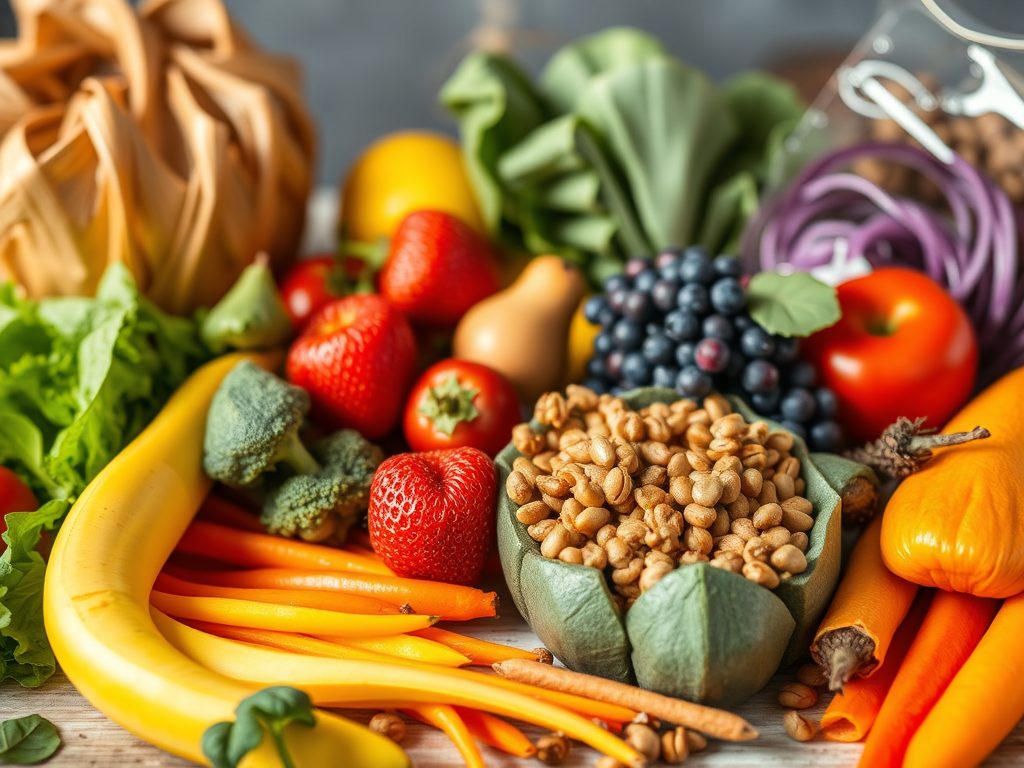
Common reasons for not feeling the benefits of superfoods include improper dosage, individual dietary needs, and misconceptions about their effects. Many people underestimate the importance of consistent consumption and how personal health conditions can influence nutrient absorption. Additionally, failing to incorporate these foods into a balanced diet may hinder their effectiveness. Understanding these factors is crucial for maximizing the potential benefits of superfoods.
Understanding Superfoods and Their Benefits
Superfoods are nutrient-dense foods believed to offer health benefits beyond basic nutrition. They often contain high levels of vitamins, minerals, antioxidants, and other beneficial compounds. However, the perception of their benefits can vary significantly among individuals. Some may not feel the effects due to various factors, leading to disappointment or skepticism regarding their efficacy. Understanding what makes a food a superfood and how these nutrients interact with the body is essential for recognizing their potential impact on health.
For instance, foods such as kale, blueberries, and chia seeds are commonly classified as superfoods due to their high nutritional profiles. However, not everyone may experience noticeable health improvements from these foods. This can be attributed to several factors, including lifestyle choices, overall diet, and individual metabolic differences. A well-rounded diet that includes a variety of whole foods is crucial for maximizing the benefits of superfoods.
Dosage and Consumption Frequency
One common reason individuals do not feel the benefits of superfoods is improper dosage or infrequent consumption. Many superfoods require consistent intake over time to yield noticeable health effects. For example, regularly incorporating a superfood like spirulina into smoothies or meals may be necessary to experience its energy-boosting properties fully.
Additionally, the method of preparation can impact nutrient availability. For example, cooking certain superfoods can reduce their antioxidant levels. It’s also worth noting that individual tolerance to these foods can vary; some may need to start with smaller quantities to avoid digestive discomfort and gradually increase their intake.
To optimize the benefits, consider creating a meal plan that includes superfoods regularly. This might involve incorporating them into breakfast smoothies, salads, or snacks. Tracking the effects over a few weeks can help determine if the chosen superfoods align with your health goals.
Individual Dietary Needs and Health Conditions
Personal dietary needs and underlying health conditions can significantly influence how one responds to superfoods. For instance, someone with a specific food intolerance or allergy may not experience the benefits of a superfood if it triggers adverse reactions. Additionally, individuals with certain health conditions may require tailored dietary approaches that prioritize specific nutrients.
For example, people with digestive issues may struggle to absorb nutrients from superfoods effectively. In such cases, it may be beneficial to consult with a healthcare provider or nutritionist to develop a personalized approach that considers individual health circumstances. This tailored approach can involve selecting superfoods that are easier to digest or complementing them with other foods to enhance nutrient absorption.
Common Misconceptions About Superfoods
Many misconceptions surround the effectiveness of superfoods. One prevalent myth is that consuming superfoods alone can lead to drastic health improvements without considering overall diet and lifestyle. In reality, superfoods should be part of a balanced and varied diet. Relying solely on them while neglecting other essential food groups can lead to nutritional imbalances.
Another misconception is that all superfoods are equally beneficial for everyone. Factors such as age, gender, activity level, and health status can influence how one responds to specific foods. For instance, a superfood beneficial for an athlete may not yield the same results for a sedentary individual.
To maximize the benefits of superfoods, it is essential to approach them with realistic expectations and understand their role within the broader context of one’s diet. Engaging in regular physical activity, managing stress, and ensuring adequate hydration are equally important for overall health and well-being.
For those looking to deepen their understanding of superfoods and their effects, consider exploring reputable sources that discuss nutritional science and dietary guidelines. Engaging with expert literature can provide valuable insights into how to effectively incorporate superfoods into your diet.
Frequently Asked Questions
What are superfoods?
Superfoods are nutrient-rich foods that are believed to provide health benefits beyond basic nutrition, often high in vitamins, minerals, and antioxidants.
How often should I consume superfoods?
To experience their benefits, superfoods should be consumed regularly as part of a balanced diet, ideally incorporated into meals or snacks throughout the week.
Can superfoods help with weight loss?
While superfoods can be part of a weight loss strategy due to their nutrient density, they should be combined with an overall healthy diet and lifestyle for effective results.
Are all superfoods suitable for everyone?
No, individual dietary needs, allergies, and health conditions can affect how beneficial a specific superfood is for someone.
How can I incorporate superfoods into my diet?
Superfoods can be added to smoothies, salads, oatmeal, or snacks. Experimenting with recipes can help find enjoyable ways to include them in your meals.
Conclusion
Feeling the benefits of superfoods often depends on factors such as proper dosage, individual dietary needs, and a balanced approach to nutrition. To maximize their effectiveness, it’s essential to incorporate them consistently into a varied diet while being mindful of personal health conditions. By addressing common misconceptions and understanding how superfoods fit into your overall wellness strategy, you can enhance your experience and potentially reap their numerous health benefits.
Related Content
- How to Identify if Superfoods Are Genuinely Beneficial: Key Factors and Practical Evaluation Methods
- Authors
- How to Spot a Superfood Scam: Red Flags and Essential Criteria
- How to Identify Effective Superfoods for Weight Management: Key Foods and Nutritional Insights
- Grapes Nutrition, Sugar, And Portion Guidance For Snacking, Meals, And Blood Sugar Awareness