
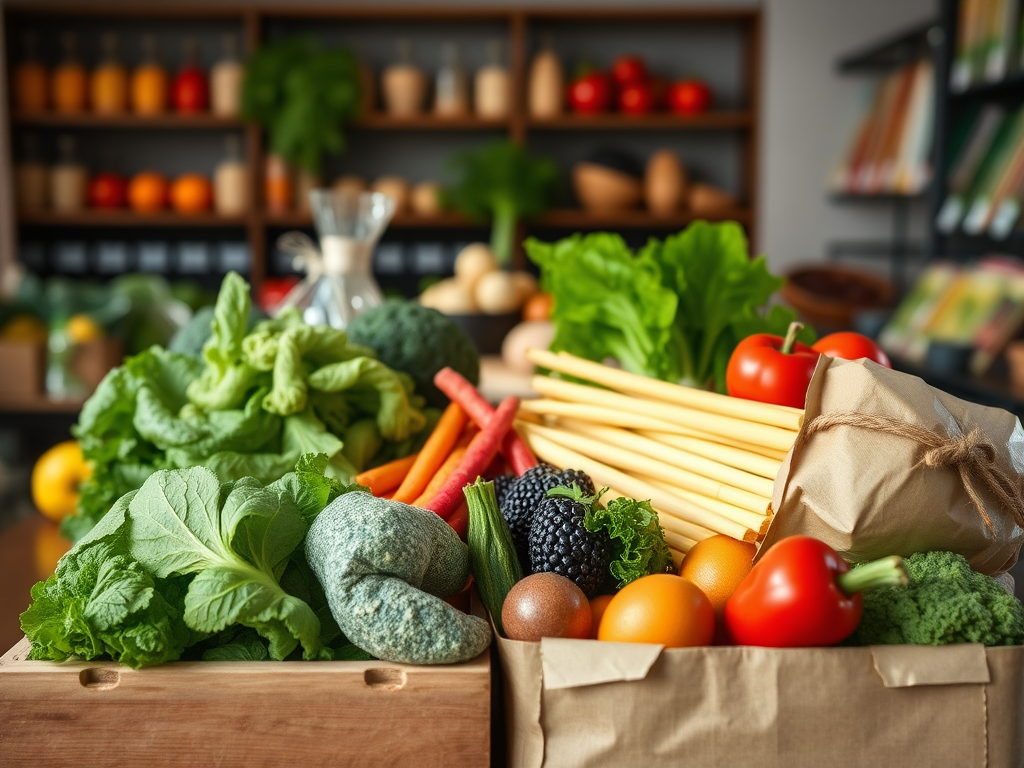
To choose affordable superfoods without sacrificing quality, focus on whole, minimally processed options that offer maximum nutritional benefits. Buying in bulk can significantly reduce costs, while seasonal produce often provides fresher and more nutrient-dense choices. Always check for organic certifications and scrutinize ingredient lists to avoid unnecessary additives. Additionally, consider local vendors or farmer's markets, which can offer high-quality superfoods at competitive prices. By implementing these strategies, you can enhance your diet without overspending.
Understanding Superfoods and Their Benefits
Superfoods are nutrient-rich foods considered to be especially beneficial for health and well-being. They often include berries, greens, nuts, and seeds, which are packed with vitamins, minerals, and antioxidants. The term “superfood” is not scientifically regulated, but it generally refers to foods that provide health benefits beyond basic nutrition. Understanding the specific benefits of various superfoods can help you prioritize which ones to include in your diet.
For instance, blueberries are known for their high antioxidant content, which can combat oxidative stress, while kale provides essential vitamins like K, A, and C. When considering affordability, it’s essential to evaluate which superfoods will deliver the most nutritional value for your money. This can prevent overspending on trendy items that may not offer significant benefits compared to more common choices.
Evaluating Quality Over Price
When selecting superfoods, quality should always trump price. It’s easy to fall into the trap of purchasing cheaper options that may be lower in nutrients or higher in additives. To evaluate quality, look for organic certifications, which can indicate that the product is free from harmful pesticides and fertilizers. Additionally, pay attention to ingredient lists; the fewer additives, the better.
Another aspect of quality is sourcing. Superfoods that are locally sourced or in-season are often fresher and retain more nutrients. Furthermore, they usually have a lower carbon footprint, making them a more sustainable choice. Check for brands that provide transparency about their sourcing and production processes, as this can often correlate with higher quality.
Smart Shopping Strategies for Affordable Superfoods
To maximize your budget while purchasing superfoods, consider these smart shopping strategies. First, buy in bulk whenever possible. Purchasing larger quantities can lead to significant savings, especially for staples like quinoa, chia seeds, or dried fruits. Look for bulk bins in health food stores where you can fill your own containers.
Second, explore local farmers’ markets. These venues often offer fresh produce at lower prices than retail stores. Plus, buying directly from farmers can provide insights into the growing practices and quality of the food. Additionally, consider joining a Community Supported Agriculture (CSA) program, where you can receive a weekly box of seasonal produce at a fixed cost.
Common Mistakes to Avoid When Buying Superfoods
One common mistake is assuming that all superfoods are created equal. Some products marketed as superfoods may be heavily processed or contain added sugars and preservatives that negate their health benefits. Always read labels carefully and be wary of marketing claims that sound too good to be true.
Another pitfall is neglecting to compare prices between brands. Just because a product is labeled as organic or premium doesn’t mean it’s the best option. Use unit pricing to determine the best deal per serving. Additionally, don’t forget to consider the nutritional content; sometimes, a less expensive option may provide better health benefits than a pricier one.
Frequently Asked Questions
What are some affordable superfoods?
Affordable superfoods include oats, beans, lentils, spinach, and bananas. These foods are nutrient-dense and often cost-effective.
How can I tell if a superfood is of high quality?
Look for organic certifications, minimal additives, and transparency in sourcing. Freshness and local sourcing can also indicate quality.
Are frozen superfoods as nutritious as fresh ones?
Yes, frozen superfoods can retain their nutrients well and are often picked at peak ripeness, making them a convenient and affordable option.
What should I avoid when buying superfoods?
Avoid heavily processed products with added sugars or preservatives. Always check labels to ensure you’re getting the most nutritional value.
How can I save money on superfoods?
Buy in bulk, shop at local farmers’ markets, and consider seasonal produce. This can lead to significant savings while maintaining quality.
Further Reading
Authoritative Sources
- Library of Congress Research Guides
guides.loc.govResearch guides that help readers locate reliable background sources on a wide range of subjects
- USA.gov Official Information and Services
usa.govOfficial U.S. government information and public resources for practical reference
- Google Scholar
scholar.google.comAcademic search resource for finding research literature and source material
Conclusion
Choosing affordable superfoods without sacrificing quality requires careful consideration of both nutritional value and price. By prioritizing whole, minimally processed foods, buying in bulk, and exploring local sources, you can enjoy the health benefits of superfoods without breaking the bank. Always evaluate quality by checking labels and being mindful of sourcing practices. With these strategies, you can enhance your diet with nutrient-rich foods while being financially savvy.
Related Content
- How to Adapt Your Superfood Intake During Pregnancy: Essential Nutrients and Safe Choices
- How To Recognize Sustainable Superfood Options: A Label And Sourcing Checklist
- How to Balance Superfoods With a Low-Calorie Diet: Essential Foods and Practical Strategies
- How to Identify the Right Superfoods for Recovery: Essential Foods and Practical Steps
- How long does it take to see results from whole food nutrition?