
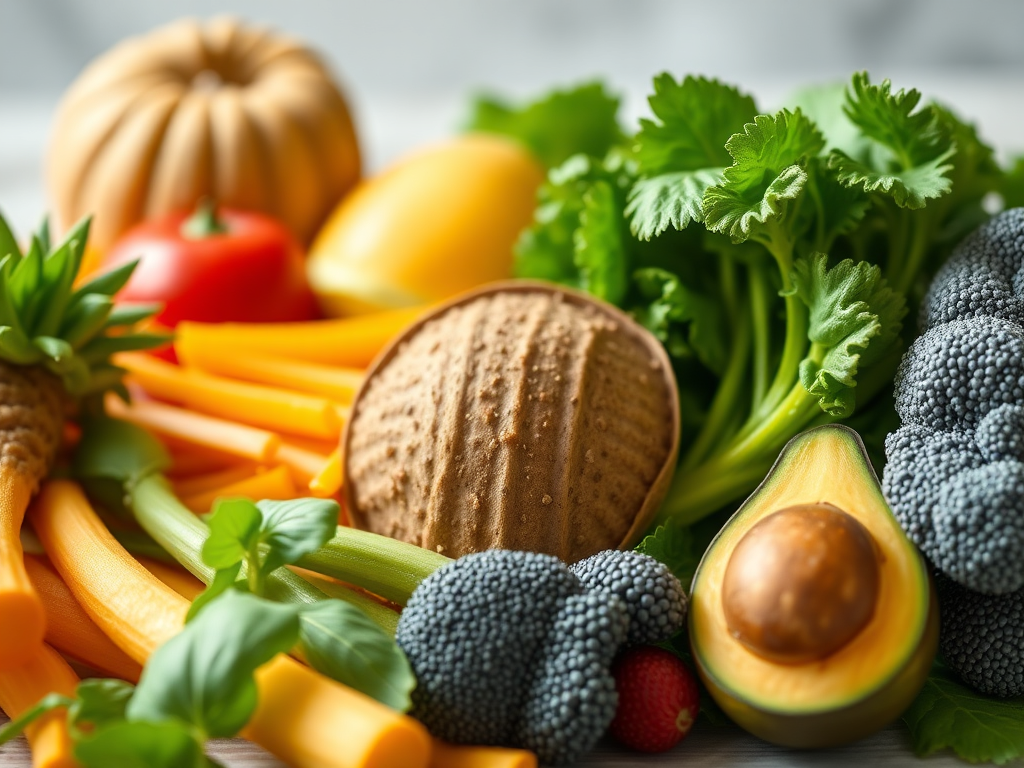
When selecting superfoods for children, it's essential to focus on nutrient density, safety, and practicality. Choose foods rich in vitamins and minerals, like leafy greens and berries, which support growth and development. Be cautious of allergens and opt for organic options to minimize exposure to harmful substances. Additionally, consider your child's taste preferences and how easily these foods can be incorporated into meals, as this will encourage healthier eating habits. Avoid overwhelming them with too many new foods at once; introduce superfoods gradually to monitor their reactions and ensure a positive experience.
Nutritional Needs of Children
Children have unique nutritional requirements that differ from adults due to their rapid growth and development. A balanced diet rich in vitamins, minerals, and macronutrients is essential for promoting optimal health. Superfoods, such as kale, quinoa, and sweet potatoes, can significantly contribute to meeting these nutritional needs.
For instance, leafy greens like spinach are high in iron, which is crucial for cognitive development and energy levels. Similarly, foods rich in omega-3 fatty acids, such as flaxseeds and walnuts, support brain health. When choosing superfoods, it’s important to consider the child’s age, activity level, and dietary restrictions to tailor their nutrition effectively.
Moreover, the concept of “nutrient density” comes into play. This means selecting foods that provide a high amount of nutrients relative to their calorie content. Parents should aim for a variety of colors on the plate, which often indicates a range of nutrients, ensuring that children receive a well-rounded intake.
Safety Considerations When Selecting Superfoods
Safety is paramount when introducing superfoods to children’s diets. This includes being aware of potential allergens, such as nuts, soy, or gluten, which can cause serious reactions in some children. Parents should gradually introduce new superfoods, monitoring for any adverse reactions.
Additionally, the source and quality of the superfoods matter. Organic options are often recommended to reduce exposure to pesticides and additives. For example, choosing organic berries can minimize the risk of harmful chemicals, which is particularly important for young, developing bodies.
Another aspect of safety is proper preparation. Cooking methods can affect the nutrient availability in foods. Steaming vegetables like broccoli can enhance nutrient absorption, while boiling may lead to nutrient loss. Educating children about safe food handling and preparation can also foster healthy habits and encourage participation in meal preparation.
Practicality and Accessibility
When selecting superfoods for children, practicality and accessibility play crucial roles. It’s vital to choose foods that are not only nutritious but also appealing to children’s tastes. Familiarity can encourage acceptance; for instance, integrating spinach into smoothies or adding avocado to toast can make these superfoods more palatable.
Accessibility is another consideration. Parents should evaluate whether they can regularly obtain these foods, whether through local grocery stores, farmers’ markets, or home gardens. Seasonal produce often provides the best flavor and nutrition, so planning meals around what is in season can enhance both taste and variety.
Moreover, creating a routine around meal times that includes superfoods can help children develop healthy eating habits. Involving children in the shopping and cooking process can also increase their interest in trying new foods, making it a fun and educational experience.
Common Mistakes to Avoid
One common mistake is assuming that all superfoods are suitable for children without considering their age and developmental stage. For example, certain foods may be too tough for younger children to chew or digest. Always adjust textures and portions based on the child’s age.

Another pitfall is focusing solely on trendy superfoods while neglecting a balanced diet. While foods like acai and chia seeds are popular, they should complement a variety of other nutritious foods rather than replace them. Prioritizing a diverse diet ensures that children receive all the nutrients they need for healthy growth.
To wrap up, avoid forcing children to eat superfoods they dislike. Instead, explore different preparations or combinations that might appeal to their taste buds. Encouraging children to try a variety of foods without pressure can help them develop a more adventurous palate over time.
Frequently Asked Questions
What are some examples of superfoods suitable for children?
Some suitable superfoods include blueberries, spinach, sweet potatoes, and quinoa, which provide essential nutrients for growth and development.
How can I introduce superfoods to my child?
Start by incorporating small amounts of superfoods into familiar dishes, such as adding spinach to smoothies or using avocado in spreads.
Are there any risks associated with superfoods for children?
Potential risks include allergies and digestive issues; introduce new foods gradually and monitor for any adverse reactions.
How can I make superfoods more appealing to my child?
Involve your child in meal preparation and try different cooking methods to enhance flavor and presentation, making them more appealing.
What should I avoid when selecting superfoods for children?
Avoid forcing children to eat foods they dislike, and focus on a variety of foods rather than solely trendy superfoods.