
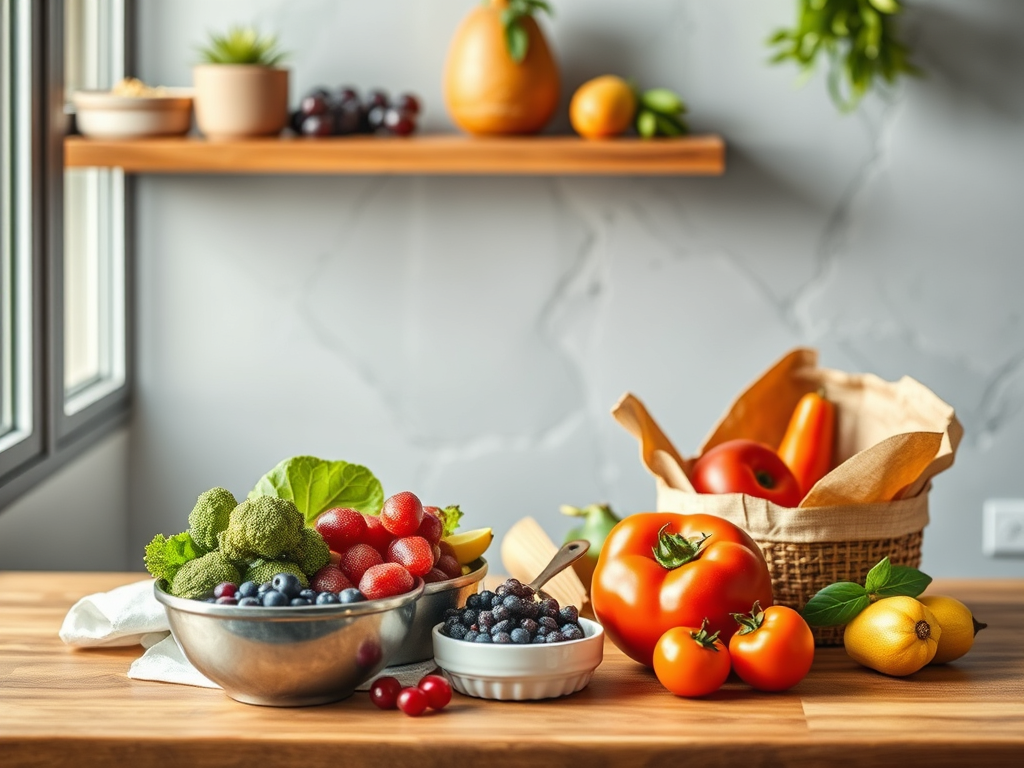
Balancing superfoods with a low-calorie diet involves selecting nutrient-dense foods that provide high vitamins and minerals without excess calories. Incorporate options like leafy greens, berries, and lean proteins, while avoiding calorie-dense snacks. Focus on meal planning and portion control to ensure you meet your nutritional needs without exceeding calorie limits. Understanding these principles will help you maintain a healthy balance between superfoods and calorie intake.
Understanding Superfoods
Superfoods are nutrient-rich foods considered to be especially beneficial for health and well-being. They often contain high levels of antioxidants, vitamins, and minerals while being low in calories. Examples include kale, quinoa, blueberries, and chia seeds. Understanding what qualifies as a superfood is crucial when trying to balance these foods with a low-calorie diet.
These foods not only provide essential nutrients but also help in reducing inflammation and supporting metabolic processes. The challenge lies in integrating them into meals without exceeding your calorie goals. This requires a solid understanding of their nutritional profiles and how to incorporate them effectively.
Low-Calorie Diet Basics
A low-calorie diet generally restricts daily caloric intake to promote weight loss or maintenance. Typically, this means consuming fewer than 1,500 calories per day, depending on individual factors such as age, gender, and activity level. The key to success in a low-calorie diet is not just cutting calories but ensuring that those calories come from nutrient-dense sources.
When pursuing a low-calorie diet, it’s important to focus on whole foods that are high in nutrients but low in calories. Foods like vegetables, fruits, and lean proteins should comprise the bulk of the diet. Understanding portion control and caloric density is crucial; for instance, a cup of spinach has significantly fewer calories than a cup of pasta, making it a better choice for a low-calorie meal.
Combining Superfoods and Low-Calorie Choices
Combining superfoods with low-calorie choices involves strategic meal planning. Start by identifying superfoods that are low in calories, such as spinach, kale, and berries. These can be added to salads, smoothies, or snacks to enhance nutritional value without adding significant calories.
A common mistake is to overlook the caloric density of certain superfoods. For example, while nuts are superfoods due to their healthy fats, they are also calorie-dense. Moderation is key; a small handful can provide health benefits without blowing your calorie budget. Aim to balance these foods with lower-calorie options to maintain a well-rounded diet.
Meal Planning Strategies
Effective meal planning can simplify the process of balancing superfoods with a low-calorie diet. Start by preparing a weekly menu that incorporates a variety of superfoods. For instance, plan to include a spinach salad with quinoa, topped with berries for lunch. For dinner, consider grilled chicken with a side of roasted vegetables.
Portion control is another vital aspect of meal planning. Use measuring cups or a food scale to ensure you’re not exceeding your calorie limits. Additionally, pre-portion snacks, such as sliced vegetables or fruit, to avoid mindless eating. This helps maintain your focus on nutrient-dense superfoods while adhering to your caloric goals.
Frequently Asked Questions
What are some examples of low-calorie superfoods?
Examples include leafy greens like kale and spinach, berries, and legumes such as lentils and chickpeas.
How can I incorporate superfoods into my meals?
Add superfoods to smoothies, salads, or as toppings for yogurt and oatmeal to enhance nutritional value.
Is it possible to eat superfoods while on a low-calorie diet?
Yes, by focusing on superfoods that are low in calories and balancing them with other nutrient-dense foods.
What common mistakes should I avoid?
Avoid overloading on high-calorie superfoods like nuts and seeds; moderation is key to staying within calorie limits.
How can I track my calorie intake effectively?
Use apps or food diaries to log meals and snacks, helping you stay aware of your caloric intake and nutritional balance.
Conclusion
Balancing superfoods with a low-calorie diet is achievable through careful selection and planning. Focus on incorporating nutrient-dense foods that support your health goals while being mindful of caloric intake. Implementing meal planning strategies and understanding portion sizes will help you maintain this balance effectively. Prioritize superfoods that align with your dietary needs and enjoy the health benefits they offer.
Related Content
- Difference Between Superfoods and Whole Food Nutrition Benefits: Key Factors and Real-World Impacts
- Best Superfoods for Boosting Metabolism Without Caffeine: Top Choices for Natural Energy and Weight Management
- The Importance of Sourcing in Superfood Effectiveness: Key Factors and Real-World Impacts
- How to Incorporate Superfoods Into a Low-Sugar Diet With Balanced Meals and Smarter Swaps
- Top Whole Foods That Help Reduce Inflammation (Naturally)