
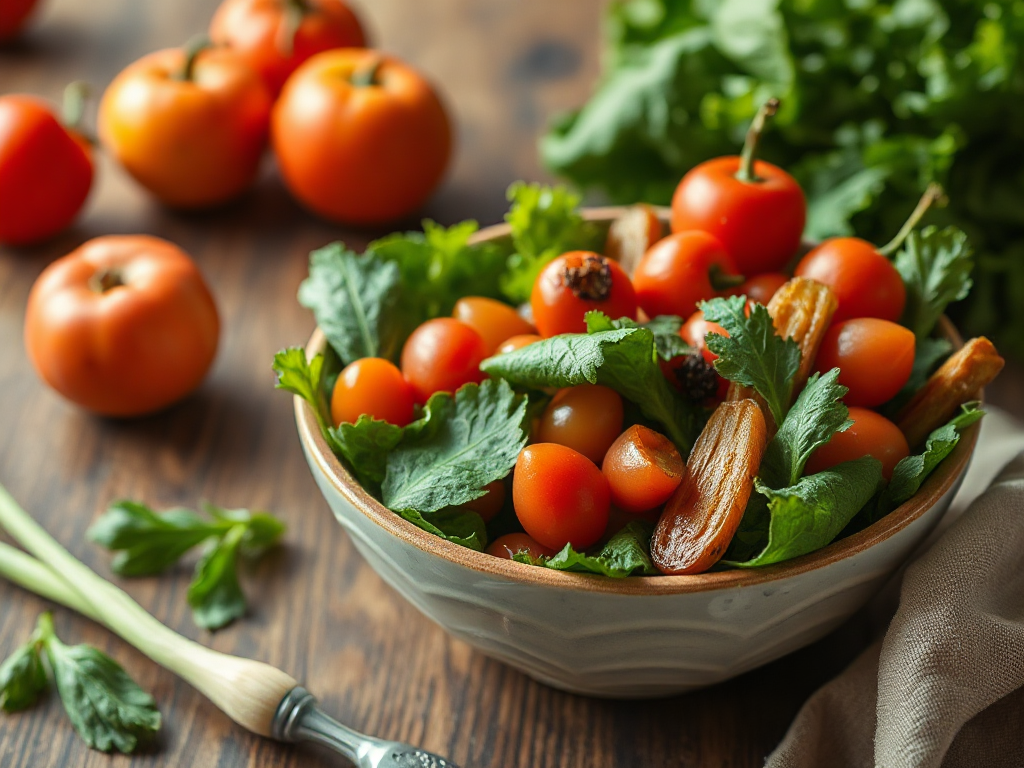
If whole foods are not filling, combine fiber-rich carbohydrates with enough protein, healthy fat, and a sufficient portion, then review meal timing and hydration. A bowl of vegetables or fruit alone may digest quickly because it lacks the protein and energy density that prolong fullness. Add options such as beans, lentils, eggs, tofu, Greek yogurt, nuts, seeds, avocado, or olive oil, and track whether hunger returns within one to two hours. Large-volume meals can still be under-fueling, especially after exercise or during a physically demanding day. Persistent intense hunger, unexplained weight change, excessive thirst, or digestive symptoms deserves discussion with a qualified healthcare professional.
Why Whole-Food Meals May Not Keep You Full
Whole foods are not automatically filling simply because they are minimally processed. Fullness depends on the meal’s total energy, protein, fiber, fat, water content, texture, and how quickly it is eaten. A large salad with leafy greens, tomatoes, and cucumber may occupy plenty of space in the stomach while providing little protein or usable energy. Hunger can return soon afterward, particularly if the meal replaces a demanding workout or follows a long gap without eating.
Protein often deserves the first review. Beans, lentils, eggs, fish, poultry, tofu, tempeh, cottage cheese, and plain yogurt can make a meal more sustaining than vegetables or fruit alone. Fiber also matters, but adding more raw produce is not always the answer. A meal with lentils and cooked vegetables may be more satisfying than an even larger bowl of low-calorie greens because it supplies protein, carbohydrate, and a thicker texture.
Fat contributes energy and may slow gastric emptying, although it is not a reason to pour oil over every meal. Nuts, seeds, avocado, tahini, olive oil, and oily fish can add staying power in modest portions. The tradeoff is energy density: a small amount may be useful, while an unmeasured large serving can change the meal substantially.
Weak assumptions commonly cause the problem. “Whole” does not mean “low calorie,” and “healthy” does not mean “sufficient for my needs.” A fruit-and-oat smoothie may be nutritious but less satisfying than chewing oats with yogurt, berries, and seeds. Use what to do if whole foods are not filling as a troubleshooting question, not as a reason to abandon minimally processed foods.
Build a Meal That Lasts Longer
A sustaining meal usually combines a protein source, a fiber-rich carbohydrate, produce, and a measured source of fat. The combination matters because each component addresses a different limitation. Protein can support satiety between meals, carbohydrate supplies readily available fuel, fiber adds bulk and slows digestion, and fat increases energy density when a very high-volume plate is not enough.
For breakfast, oatmeal made with water and topped only with fruit may leave some people hungry before noon. Stirring in Greek yogurt after cooking, adding nuts or seeds, or serving eggs alongside the oats changes the meal’s balance. For lunch, a vegetable soup can be paired with beans and whole-grain bread rather than treated as a complete meal by default. At dinner, roasted vegetables become more substantial when served with salmon and potatoes, tofu with brown rice, or lentils with whole-grain flatbread.
Portion balance should match the situation. Someone working at a desk may need less food than someone walking, lifting, training, breastfeeding, or recovering from illness, but appetite alone does not reveal every requirement. If hunger follows a meal within an hour, check whether the plate contained a meaningful protein portion and enough carbohydrate. If hunger appears several hours later, the meal may be functioning normally and a planned snack may be appropriate.
A practical plate check can be simple:
- Choose one clear protein anchor, such as beans, eggs, tofu, fish, chicken, or yogurt.
- Add a substantial carbohydrate source, such as potatoes, oats, rice, corn, fruit, or whole-grain bread.
- Include vegetables or fruit for fiber and variety.
- Use nuts, seeds, avocado, tahini, or oil when the meal needs more energy or flavor.
The common mistake is treating vegetables as the main test of willpower. If a meal is mostly low-energy produce, increasing volume may produce discomfort without solving hunger. A smaller, balanced plate can be more useful than an enormous salad, especially for people with limited appetite at mealtime or sensitive digestion. USDA FoodData Central can help compare the protein, carbohydrate, fiber, and energy content of specific ingredients without relying on vague labels.
Adjust Portions, Timing, and Food Texture
Meal timing can expose an otherwise well-designed diet. Eating a light breakfast, delaying lunch, and then choosing a very large dinner may create intense hunger that feels like whole foods are failing. The issue may be the long interval rather than the ingredients. A regular eating pattern, with meals spaced according to work demands, activity, and appetite, can make fullness easier to interpret.
Try changing one variable at a time for several days. Add a protein source to the meal that leaves you hungry, then observe whether the interval before the next meal changes. If that does not help, increase the carbohydrate portion or add a modest fat source. Testing everything simultaneously makes it difficult to identify whether the original issue was inadequate energy, low protein, fast eating, or an inconvenient schedule.
Texture and chewing also influence the experience of fullness. Whole apples, potatoes, beans, and intact grains generally require more chewing than juices, thin smoothies, or finely puréed meals. Liquid food is not inherently inferior, but it may be easier to consume quickly and may feel less substantial for some people. If a smoothie leaves you hungry, try making it thicker and adding yogurt, tofu, oats, nut butter, or chia seeds, or replace it with a bowl-based meal that takes longer to eat.
Hydration deserves a sensible check, not an exaggerated one. Thirst can be mistaken for hunger, yet drinking large amounts of water before a meal will not correct an underpowered meal and may cause discomfort. Sip fluids normally and assess the food itself. Caffeine, alcohol, intense exercise, heat, and poor sleep can also alter appetite or meal choices; they should be recorded as context rather than blamed automatically.
Consider two contrasting situations. A person eating lentil curry, rice, and yogurt may need no major change if hunger arrives four hours later. A person eating raw vegetables and a piece of fruit who feels hungry after 45 minutes likely needs a more complete meal. The right adjustment is not always “eat cleaner” or “eat more fiber.” It is to match food composition and timing to the actual demand of the day. Related planning questions can be explored through what to do if whole foods are not filling when building repeatable meals.
Test the Pattern and Know When to Seek Help
Use a short food-and-hunger record to distinguish a portion problem from a broader appetite or health issue. Note the meal, approximate components, time eaten, hunger level before eating, time hunger returns, activity, sleep, and any digestive symptoms. Exact calorie counting is not required. The useful question is whether adding balanced food produces a reasonable period of satisfaction and stable energy.

Signs that an adjustment is working include less urgent grazing, fewer cravings caused by long gaps, steadier concentration, and hunger that returns gradually rather than suddenly. Signs that the plan is failing include persistent hunger despite adequate meals, discomfort from continually increasing volume, repeated nighttime eating driven by restriction, or difficulty meeting needs because of nausea, pain, diarrhea, constipation, or early fullness.
Do not assume every appetite change is a meal-planning issue. Unexplained weight loss or gain, excessive thirst or urination, tremor, persistent fatigue, vomiting, blood in stool, severe abdominal pain, or a sudden marked change in appetite warrants medical attention. A clinician or registered dietitian can consider medications, gastrointestinal conditions, blood-sugar problems, stress, sleep, and disordered-eating patterns without reducing the issue to discipline.
People with diabetes, kidney disease, food allergies, a history of eating disorders, pregnancy-related nutrition needs, or prescribed dietary restrictions should personalize changes with qualified support. “Whole foods” can also become too restrictive if the goal is to avoid every packaged ingredient. Fortified foods, convenient frozen produce, canned beans, and plain dairy may fit a nutritious pattern and make adequate eating more realistic.
Prioritize adequacy before optimization. Choose a meal you can prepare, afford, digest, and repeat. Then adjust one feature at a time and reassess after several meals. For a more individualized planning reference, use what to do if whole foods are not filling alongside advice from a qualified professional when symptoms persist.
Frequently Asked Questions
Why am I hungry after eating a healthy meal?
The meal may be low in total energy, protein, carbohydrate, or fat despite containing nutritious ingredients. Review its balance and portion before simply adding more vegetables.
What should I add to vegetables to make them more filling?
Add a protein such as beans, eggs, tofu, fish, or chicken, plus a carbohydrate like potatoes, rice, corn, or whole-grain bread. A small portion of nuts, seeds, avocado, or oil may add needed energy.
Can fruit be a filling snack?
Fruit may be more satisfying when paired with yogurt, cheese, nuts, seeds, or nut butter. The pairing adds protein or fat and may reduce a rapid return of hunger.
Are smoothies less filling than solid food?
Not always, but many smoothies are consumed quickly and contain mostly fruit or juice. Adding yogurt, tofu, oats, seeds, or nut butter can make one more substantial, while chewing a meal may feel fuller for some people.
When should persistent hunger be checked by a professional?
Seek advice for persistent intense hunger, unexplained weight change, excessive thirst, frequent urination, severe digestive symptoms, or appetite changes that interfere with daily life.
Conclusion
When whole-food meals leave you hungry, assess adequacy before blaming the ingredients. A plate built around vegetables or fruit may need a stronger protein anchor, a useful carbohydrate portion, and a measured source of fat. Meal timing, chewing, liquid versus solid texture, sleep, activity, and long gaps between meals can change how satisfying the same foods feel. Test one adjustment at a time and watch for gradual hunger, steadier energy, and fewer urgent snacks. Convenient foods such as canned beans, frozen vegetables, plain yogurt, and fortified products can still fit a nutritious pattern if they make balanced eating easier. Persistent hunger alongside weight changes, excessive thirst, or digestive symptoms should be evaluated rather than managed through increasingly restrictive rules.
Related Content
- Foods for Vaginal Health and Microbiome Support: What to Eat and What to Avoid
- Kabocha Squash Nutrition And Serving Benefits For Fiber-Rich Everyday Plates
- Anti-Inflammatory Foods for Everyday Meal Planning: Ingredients, Timing, and Plate Design
- What To Do If A Superfood Causes Inflammation: Identifying Triggers and Effective Remedies
- Common Reasons for Not Feeling the Benefits of Superfoods: Key Misconceptions and Practical Solutions