
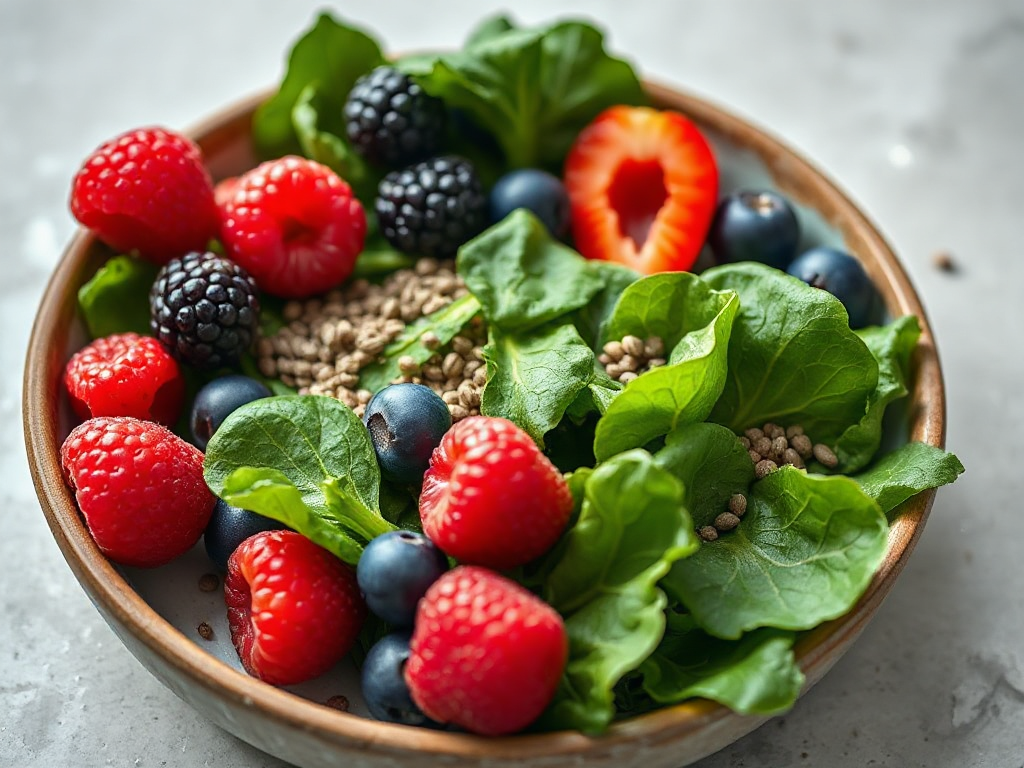
How to incorporate superfoods into a low-sugar diet comes down to choosing unsweetened, nutrient-dense ingredients and pairing them with protein, fiber, or healthy fat. Use berries, leafy greens, chia seeds, beans, plain yogurt, nuts, and unsweetened cocoa in meals rather than relying on sweetened powders, juices, or packaged bars. Check labels for added sugars, especially in granola, dried fruit, plant milks, and flavored yogurt, because a product marketed as a superfood may still raise the meal’s sugar load. Build changes gradually, watch portions, and use whole foods first; supplements are not a substitute for a varied diet or individualized medical advice.
Choose Superfoods That Fit a Low-Sugar Pattern
A low-sugar diet works best when “superfood” means a useful whole-food ingredient, not a sweetened product with impressive packaging. Berries, leafy greens, cruciferous vegetables, beans, lentils, walnuts, chia seeds, flaxseed, plain yogurt, eggs, and unsweetened cocoa can add fiber, protein, minerals, polyphenols, or healthy fats without making added sugar the center of the meal. The practical question is not whether an ingredient has a fashionable label; it is whether it improves the meal’s nutrient density while keeping sweetness modest.
Whole fruit deserves a place in this pattern, even though it contains naturally occurring sugar. A cup of berries eaten with plain yogurt and chia seeds has a different nutritional context from fruit juice or a large serving of dried fruit. The intact fruit provides water and fiber, while the accompanying protein and fat may make the meal more filling. This does not mean the combination cancels sugar or guarantees a particular blood-glucose response. It means the food is being used as part of a balanced meal rather than as a concentrated sweetener.
Start by sorting choices into three groups: low-sugar vegetables and legumes, modest portions of whole fruit, and products that need label scrutiny. Spinach, broccoli, mushrooms, lentils, pumpkin seeds, and almonds generally make easy additions to savory meals. Berries, kiwi, and a small apple can work in breakfasts or snacks. Dates, raisins, sweetened açai bowls, flavored protein powders, and agave-based products require more restraint because their sweetness is concentrated or added.
A common mistake is treating an ingredient as unlimited because it is nutritious. Nuts, seeds, coconut products, and dark chocolate can contribute valuable nutrients, but portions still affect calories and total carbohydrate intake. Someone replacing candy with several handfuls of trail mix may reduce added sugar while unintentionally creating a less balanced eating pattern. Use how to incorporate superfoods into a low-sugar diet as a meal-design question: what does this ingredient replace, and what else is on the plate?
Build Meals Around Protein, Fiber, and Unsweetened Ingredients
Meal structure matters more than collecting a long list of fashionable ingredients. Pairing a plant food with protein, fiber, and a source of fat can make a low-sugar meal more satisfying and reduce the need for sweet snacks later. A breakfast of plain Greek yogurt, blueberries, ground flaxseed, and walnuts has a different balance from a flavored yogurt topped with sweetened granola. A lunch of lentils, roasted vegetables, olive oil, and herbs offers a more substantial base than a vegetable juice followed by a packaged snack.
Fiber is useful because it adds bulk and affects how quickly a meal is digested, while protein and fat contribute to fullness. Their presence does not make a high-sugar food low-sugar, and individual responses vary, particularly for people managing diabetes or taking glucose-lowering medication. The sensible approach is to improve the composition of the entire meal rather than searching for a single ingredient that neutralizes sugar.
Use a simple plate decision when planning meals:
- Anchor: Choose protein such as eggs, tofu, fish, plain yogurt, beans, or poultry.
- Produce: Add non-starchy vegetables or a measured portion of whole fruit.
- Texture and nutrients: Include chia, flax, pumpkin seeds, walnuts, or olive oil in a practical portion.
- Flavor: Use cinnamon, citrus, herbs, vinegar, garlic, or unsweetened cocoa instead of relying on syrups.
For example, chia pudding can fit the pattern when made with unsweetened milk and topped with a few berries, but a ready-made version may contain syrup or sweetened coconut milk. Similarly, a smoothie can be nutrient-dense yet sugar-heavy if it contains banana, mango, dates, juice, and sweetened protein powder together. A more controlled version might use spinach, plain yogurt or tofu, frozen berries, water, and nut butter. Eating some ingredients whole rather than blending everything may also make portions easier to judge.
The wrong comparison is “superfood versus ordinary food.” Beans, cabbage, oats, and frozen vegetables may be less glamorous than imported powders but can provide reliable nutrition at a lower cost. The better standard is whether the ingredient makes a meal more filling, varied, and manageable without adding unnecessary sweetness.
Avoid Hidden Sugar in Popular Superfood Products
Many low-sugar plans fail at the packaged-food stage. Granola, energy bites, flavored yogurt, protein bars, bottled smoothies, dried fruit, and superfood powders may contain added sugar even when their front labels emphasize antioxidants, greens, or plant-based ingredients. “Natural,” “organic,” and “fruit-sweetened” do not automatically mean low in sugar. The Nutrition Facts label and ingredient list provide more useful information than marketing language.
Check the serving size before judging a product. A pouch may list a small serving that is easy to exceed, and a bar may contain several forms of sweetener, such as cane sugar, brown rice syrup, dates, honey, or fruit concentrate. These ingredients may differ in name but still contribute sweetness and carbohydrate. The presence of sugar near the beginning of the ingredient list is a reason to compare alternatives, particularly if the product is used daily.
Superfood powders deserve separate caution. A plain greens powder is not nutritionally equivalent to a serving of vegetables, and a berry powder may be more concentrated than fresh or frozen fruit. Powders can be convenient, but they may include sweeteners, stimulants, herbs, or undeclared blends. The NIH Office of Dietary Supplements notes that supplement quality and evidence vary by ingredient, so a product should not be treated as a guaranteed health solution. People who are pregnant, taking medication, managing kidney or liver disease, or preparing for a procedure should ask a qualified clinician before adding concentrated supplements.
Compare common swaps rather than banning every packaged food. Choose plain oats with cinnamon and berries instead of sweetened instant oatmeal; unsweetened nut butter instead of a dessert-style spread; plain kefir or yogurt instead of flavored versions; and roasted nuts instead of candied trail mix. A small amount of maple syrup may be a deliberate choice for some people, but it still counts as added sugar and should not be presented as nutritionally equivalent to berries or vegetables.
One failure mode is replacing all sweet foods with large amounts of “healthy” sweeteners. That can preserve the same taste expectation and make ordinary foods seem disappointing. Gradually reducing sweetness, while adding acidity, spice, crunch, and savory flavors, is often more sustainable than searching for a perfect sugar substitute.
Create a Practical Low-Sugar Superfood Routine
A routine becomes workable when it relies on repeatable ingredients, realistic preparation, and clear signs that a choice is helping. Pick two or three staple additions for the week rather than buying a dozen specialty products. Frozen berries, canned beans with no added sugar, prewashed greens, plain yogurt, chia seeds, and unsalted nuts can support several meals without demanding elaborate recipes. USDA FoodData Central can help you compare nutrient information for foods and check serving assumptions.

Try a short planning sequence: first identify where added sugar usually enters your day, then choose a whole-food replacement, and All in all pair it with a satisfying meal component. If breakfast is sweetened cereal, try oats with walnuts and berries. If afternoon cravings follow a light lunch, add beans, tofu, eggs, or plain yogurt earlier rather than simply reaching for a “superfood” snack bar. If dessert is the main issue, keep whole fruit available and decide in advance whether a small portion of dark chocolate fits your preferences.
Budget and convenience should influence the choice. Fresh berries may be expensive or spoil quickly, while frozen berries offer similar culinary usefulness for many meals. Specialty seeds and powders may cost more than lentils, cabbage, sardines, eggs, or seasonal vegetables. A low-sugar diet does not require imported ingredients, and expensive packaging is not evidence of greater benefit.
Track practical signals for a week or two: hunger between meals, energy stability, enjoyment, digestive comfort, preparation time, and how often you return to sweetened convenience foods. If a large amount of chia or flax causes bloating, reduce the portion and increase it gradually with adequate fluids. If a smoothie leaves you hungry, chewable food or added protein may work better. If a supplement causes symptoms or interacts with medication, stop and seek professional guidance rather than trying to balance it with another product.
People with diabetes, a history of disordered eating, gastrointestinal disease, or other nutrition-related conditions may need individualized advice. A rigid focus on eliminating every gram of sugar can become counterproductive, especially when it displaces nutritious foods or creates anxiety around eating. The useful target is a varied pattern with limited added sugar and portions that match personal health needs.
Frequently Asked Questions
Which superfoods are naturally low in sugar?
Leafy greens, broccoli, mushrooms, beans, lentils, chia seeds, flaxseed, walnuts, pumpkin seeds, eggs, tofu, and plain yogurt are practical low-sugar choices. Whole fruit contains natural sugar but can still fit in measured portions.
Can berries fit a low-sugar diet?
Yes. Fresh or frozen berries provide sweetness with fiber and can be paired with plain yogurt, nuts, or seeds. Use portions that suit your overall carbohydrate needs and avoid turning them into juice or heavily sweetened bowls.
Are superfood powders low in sugar?
Not necessarily. Read the serving size, total carbohydrate, added sugar, and ingredient list. Some powders are unsweetened, while others contain fruit concentrates, syrups, or blended sweeteners.
What is a good low-sugar superfood breakfast?
Try plain yogurt with berries, chia, and walnuts, or savory eggs with spinach and beans. Oats can also work when prepared without sweetened syrups and paired with nuts or plain yogurt.
Should I use supplements to add superfoods?
Supplements are optional and do not replace varied meals. Consider ingredient evidence, quality, medication interactions, and personal health conditions, and ask a qualified clinician when safety is uncertain.
Conclusion
A low-sugar approach becomes more practical when superfoods are selected for their role in a complete meal rather than their marketing appeal. Favor vegetables, legumes, seeds, nuts, plain dairy or unsweetened alternatives, and modest portions of whole fruit. Pair these ingredients with protein and fiber, then inspect labels on powders, bars, granola, dried fruit, and flavored products. Frozen and budget-friendly staples can be just as useful as expensive specialty items. Make one or two changes at a time and assess hunger, digestion, convenience, and reliance on sweetened foods. Anyone managing diabetes, taking medication, or dealing with a nutrition-related condition should personalize the plan with qualified healthcare guidance instead of relying on generalized superfood claims.
Related Content
- What to Do If a Superfood Isn’t Working for You: Common Issues and Practical Solutions
- How To Find Superfoods That Help With Recovery: Nutrients, Meal Timing, And Real-World Choices
- Steps to Take If Whole Foods Lead to Fatigue: Identifying Causes and Effective Solutions
- Hearts of Palm Nutrition and Fiber Content for Salads, Snacks, and Balanced Meals
- What To Do If Superfood Intake Feels Unmanageable: A Simpler Food Plan That Still Covers Nutrients