
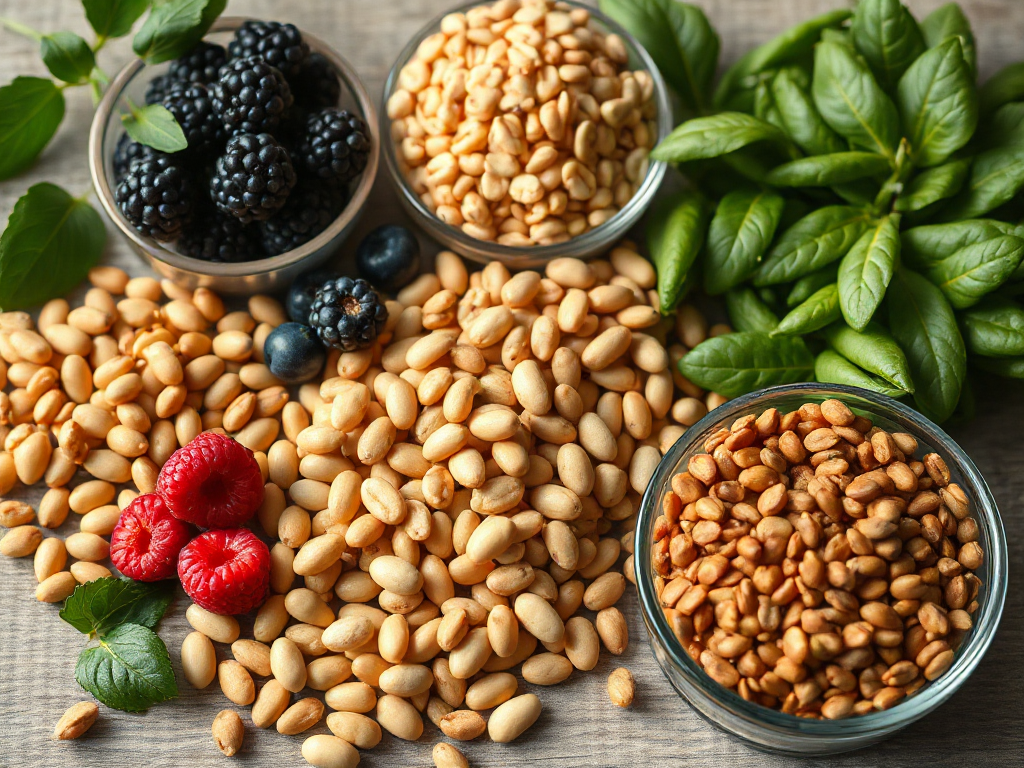
If superfoods disrupt your daily routine, pause the newest additions, Digestive discomfort may reflect a sudden increase in fiber, while skipped meals, preparation time, strong flavors, or supplement scheduling can make the plan impractical. Record what you consume, when symptoms or delays occur, and whether the issue involves a food, portion, powder, or routine. Reintroduce one item at a smaller serving only when useful, and replace anything that repeatedly causes problems with a nutritionally similar option. Seek professional advice for persistent symptoms, allergic reactions, or interactions with medication.
Find the Actual Disruption Before Changing Everything
A disrupted routine may be caused by the way a superfood is being used rather than by the ingredient itself. A breakfast bowl that requires several toppings, a powder that must be mixed at a particular time, or a sudden jump in beans, seeds, berries, or leafy greens can create very different problems. Separate digestive symptoms from logistical problems first. Bloating after a large serving points toward portion size, fiber, or tolerance; abandoning breakfast because preparation takes fifteen minutes is a scheduling issue.
Write down the item, amount, preparation method, time consumed, and outcome for several days. Include powders, concentrated drinks, bars, and fortified products, because a product marketed as a superfood may contain multiple ingredients, added sweeteners, sugar alcohols, caffeine, or herbs. The label can reveal that the suspected food is not the only variable.
A useful first distinction is between a food problem and a system problem. If chia pudding is inconvenient but plain oats with fruit are manageable, the answer may be a simpler format rather than removing nutrient-dense foods altogether. If several foods cause discomfort after a broad dietary change, returning temporarily to familiar meals can make the pattern easier to observe. Changing five ingredients at once prevents useful comparison.
Do not assume that an expensive ingredient deserves a permanent place in the schedule. A food earns its place by providing a useful nutrient, acceptable taste, reasonable cost, and reliable fit with the day. For example, pumpkin seeds may provide protein, fat, and minerals, but they are not automatically a better choice than yogurt, eggs, tofu, or another familiar food if the seeds require extra preparation or aggravate symptoms.
Begin with the smallest change that tests the likely cause: halve the portion, move the item to a meal, remove a flavored powder, or simplify the recipe. Keep the rest of the day stable. This approach produces more information than declaring an entire category unsuitable. A simple routine reset is especially useful when the disruption is mild and clearly linked to recent experimentation.
Reduce Preparation and Digestive Friction
Large servings and abrupt fiber increases are common reasons a new superfood routine feels physically uncomfortable. Beans, lentils, cruciferous vegetables, berries, oats, nuts, seeds, and some powdered blends can add substantial fiber compared with a previous eating pattern. Fiber affects stool bulk, fermentation, and fullness, so a rapid increase may produce gas, abdominal pressure, constipation, or loose stools in some people. The response depends on the food, quantity, fluids, and the rest of the diet.
Lower the burden without abandoning the nutritional goal. Use a smaller portion, spread the ingredient across several meals, choose cooked vegetables instead of a very large raw salad, or select a lower-fiber alternative for the busiest part of the day. Someone who reacts to a large smoothie containing spinach, berries, flax, and protein powder might test a smaller smoothie with one fruit and yogurt, then eat vegetables separately. That comparison identifies whether volume, ingredients, or speed of consumption is the main issue.
Preparation method also changes the experience. Canned beans rinsed thoroughly may be more practical than cooking dried beans on a work night. Frozen berries can eliminate washing and chopping, while plain frozen vegetables may be easier to portion than fresh produce that spoils before use. Convenience is not a nutritional failure when it helps a person eat consistently.
Hydration deserves a measured approach. Increasing fiber while drinking very little may worsen constipation, but forcing excessive fluids is not a universal solution and may be inappropriate for people with certain medical conditions. Gradual adjustments are safer than trying to correct discomfort with a dramatic dietary change.
Powders require extra caution because concentrated servings can deliver more of an ingredient than a normal meal and may contain blends that are difficult to evaluate. Check the serving size and full ingredient panel rather than relying on the front label. Stop a product that causes a repeatable reaction and do not treat discomfort as proof that it is “working.” For readers comparing options, whole-food replacements for superfood products may offer a simpler way to preserve the meal’s purpose.
Build a Routine That Survives Busy Days
A workable plan has a default meal, a backup meal, and a stopping rule for unnecessary complexity. The default should use foods that are available, acceptable, and quick to assemble. The backup protects the routine when commuting, caregiving, travel, or an unexpected late meeting makes the ideal recipe unrealistic.
Consider a weekday breakfast. A layered bowl with several toppings may be nutritious but fragile: one missing ingredient can turn it into a skipped meal. Overnight oats, whole-grain toast with eggs, plain yogurt with fruit, or a simple bean-and-vegetable wrap may be less visually impressive yet easier to repeat. The best choice depends on appetite, dietary restrictions, budget, storage, and access to refrigeration.
Use a short preparation window rather than trying to make every meal from scratch. Wash produce when it enters the kitchen, portion nuts or seeds into small containers, keep frozen vegetables available, and prepare one base such as cooked grains or lentils. Avoid preparing a week’s worth of a food if you are still testing tolerance; a small batch limits waste and makes changes easier.
A compact decision process can keep the plan realistic:
- Keep: foods that are comfortable, affordable, and easy to repeat.
- Modify: foods that are useful but too large, strong, expensive, or time-consuming in their current form.
- Replace: foods that repeatedly cause symptoms or create more work than their nutritional role justifies.
- Pause: products with unclear ingredients, multiple stimulants, or a reaction that cannot be explained safely.
Do not confuse novelty with necessity. A meal does not need several named superfoods to contain useful nutrition. Combining ordinary foods can cover the same broad functions: oats and fruit for carbohydrate and fiber, eggs or tofu for protein, vegetables for color and micronutrients, and nuts or olive oil for fat. Nutrient needs are met across an eating pattern, not by winning a daily ingredient-count contest.
Test the revised plan during the exact circumstances that previously caused failure. If the morning is the problem, assess the new breakfast on a rushed weekday rather than a relaxed weekend. Signs of improvement include fewer skipped meals, less preparation, predictable digestion, and no need to carry a complicated collection of powders and toppings. A plan that works only under perfect conditions still needs revision.

Reassess, Replace, and Know When to Get Help
After simplifying the routine, reassess both usefulness and tolerability. A food may be harmless but unnecessary, or valuable in theory but poorly matched to the person’s schedule. Review whether it contributes a specific role such as protein, fiber, calcium, iron, healthy fat, or produce variety. Then ask whether another familiar food can provide that role with fewer drawbacks.
Replacement should be based on function, not marketing category. If a seed blend is difficult to digest, ground oats, nut butter, yogurt, or another tolerated food may fit the meal better, depending on the nutritional purpose. If a green powder is expensive and unpleasant, ordinary vegetables at lunch may be a more dependable source of variety. These alternatives are not exact nutritional duplicates, so people with restricted diets or known deficiencies may need individualized guidance.
Persistent symptoms should not be managed indefinitely through random elimination. Recurrent diarrhea, constipation, abdominal pain, vomiting, hives, swelling, wheezing, dizziness, or unintended weight change warrants medical attention. Breathing difficulty or swelling of the lips, tongue, or throat requires urgent care. People who take medication, are pregnant, have kidney or liver disease, or manage a diagnosed digestive condition should discuss concentrated powders and herbal blends with a qualified clinician or pharmacist.
Allergy and intolerance are not interchangeable terms. An immune-mediated allergy can be dangerous even at a small exposure, while an intolerance may be dose-related, though symptoms still deserve attention. Do not conduct a home challenge after a suspected serious allergic reaction. Product contamination, undeclared ingredients, or interactions are additional reasons to treat supplements differently from ordinary foods.
Keep a short record after each adjustment: what changed, how much was used, when it was eaten, and what happened over the next day. Reintroduce only one variable at a time if symptoms were mild and no allergy is suspected. If the routine remains disruptive after simplification, the right next step may be a dietitian or clinician rather than another trend-driven product. More detail on adjusting a superfood routine safely can help organize that conversation.
For reliable nutrition and supplement information, consult the USDA FoodData Central database, the National Institutes of Health Office of Dietary Supplements, and guidance from a registered dietitian or qualified healthcare professional. These sources can help verify nutrient roles, serving information, and safety questions without treating a marketing label as medical evidence.
Frequently Asked Questions
Should I stop all superfoods if my routine becomes difficult?
No. Pause the newest or most disruptive item, then simplify the meal and observe what changes. Removing every nutrient-dense food at once makes it harder to identify the cause.
Can too much fiber make a superfood routine uncomfortable?
Yes. A sudden increase from beans, seeds, oats, berries, vegetables, or fiber powders may cause gas or bowel changes. Smaller portions and gradual increases may be easier to tolerate.
Are superfood powders easier than whole foods?
They may save preparation time, but powders can be concentrated and may contain blended ingredients, sweeteners, stimulants, or herbs. Read the complete label and compare the product with a simple whole-food option.
What is a practical replacement for an inconvenient superfood?
Replace it according to its meal role. Yogurt, eggs, tofu, oats, frozen vegetables, beans, fruit, nuts, or seeds may be useful alternatives, depending on the nutrient and dietary pattern involved.
When should I seek professional advice?
Seek advice for persistent or severe digestive symptoms, suspected allergy, medication interactions, pregnancy-related questions, or a diagnosed medical condition. Urgent symptoms such as breathing difficulty or facial swelling need immediate care.
Further Reading
Authoritative Sources
- Academy of Nutrition and Dietetics
eatright.orgProfessional nutrition guidance, healthy eating resources, and practical dietitian-reviewed advice.
- U.S. Department of Agriculture
usda.govOfficial food, nutrition, agriculture, and consumer guidance from the USDA.
- NIH Office of Dietary Supplements
ods.od.nih.govResearch-based fact sheets on nutrients, supplements, dietary intake, and safety considerations.
- International Society of Sports Nutrition
sportsnutritionsociety.orgEvidence-informed sports nutrition resources and position stands for active people and athletes.
Conclusion
A superfood routine should make eating more manageable, not turn every day into a food project. Identify whether the disruption comes from preparation, portion size, fiber, product ingredients, cost, or timing before making broad changes. Simplify the meal, test one adjustment at a time, and judge success by comfort, consistency, and how well the plan works on genuinely busy days. Familiar foods can often provide the same practical nutritional role as a fashionable ingredient, while concentrated powders deserve closer label and safety review. Stop and seek qualified advice when symptoms are persistent, severe, allergic, or connected to medication or a medical condition. The next useful move is usually a smaller, clearer routine—not another product added to the pile.
Related Content
- Ahi Tuna Nutrition and Mercury Considerations for Safer Serving Choices
- High-Protein Meals That Support Weight Loss With Satisfying Ingredients and Smart Portions
- Anti-Inflammatory Foods for Everyday Meal Planning That Fit Real Breakfasts, Lunches, and Dinners
- What Are The Top Superfoods For Optimal Nutrition?
- Clear Liquid Diet Foods and Hydration Choices for Safer Preparation and Recovery